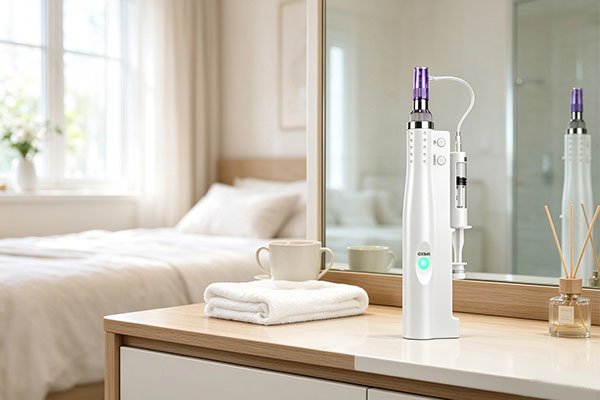
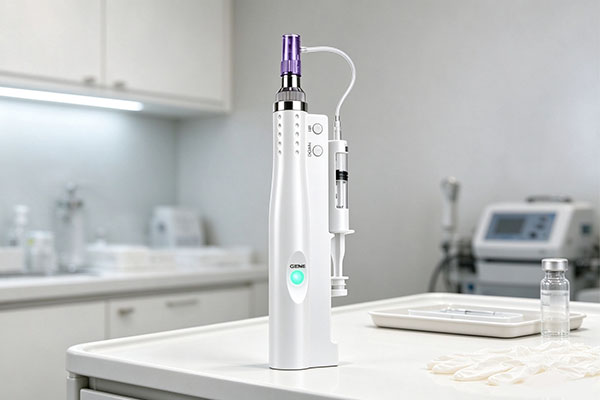
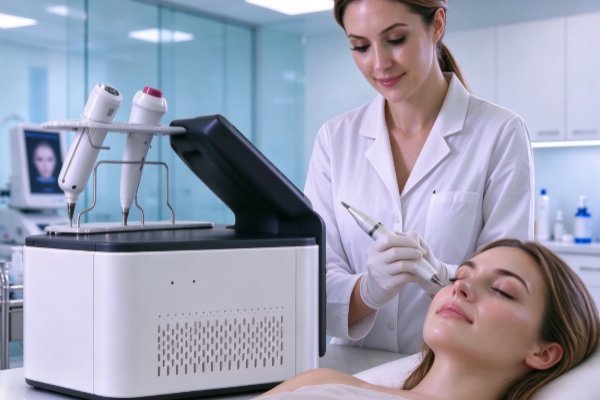
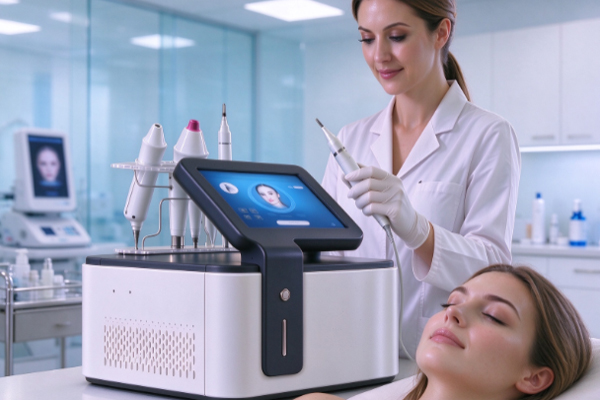
Mesotherapy guns and standard skin injectors can both be used to deliver liquids through injection, but they differ in how they operate, control injection parameters, and fit into everyday treatment workflows. A manual syringe has a simple structure, while a mesotherapy gun uses a device-assisted mechanism to control injection. Some models also offer adjustable dosage, speed, or injection modes. For beauty clinics considering new equipment, price is only one factor. Actual features, consumable compatibility, and after-sales support are equally important. Choosing the right device can help match equipment to treatment needs and make daily operations more convenient.
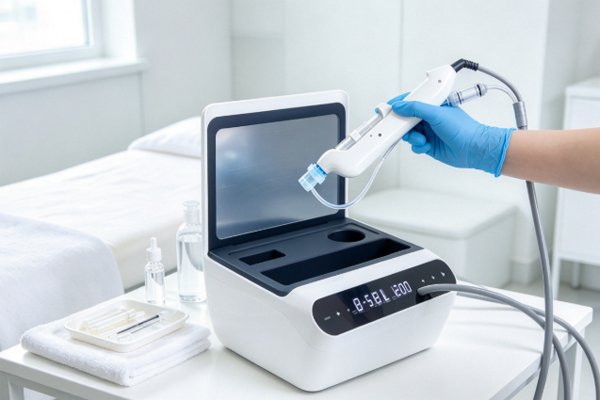
What Is the Difference Between a Mesotherapy Gun and a Standard Skin Injector?
The most obvious difference is how the injection process is controlled. A standard syringe relies mainly on manual pressure, while a mesotherapy gun uses a mechanical system to assist injection. The exact functions depend on the model.
- Different operating methods: A standard syringe requires the operator to control the pressure manually. A mesotherapy gun assists with the injection process and may provide a more consistent operating workflow.
- Different parameter controls: Some mesotherapy guns allow adjustments to dosage, speed, or injection mode, while standard syringes generally do not have electronic settings.
- Different equipment requirements: Mesotherapy guns require attention to compatible needles, syringe specifications, and accessories. Not all consumables are interchangeable.
For treatments involving repeated injections at multiple points, operating rhythm and parameter settings are worth comparing carefully. Actual performance still depends on the device design, the operator’s skills, and the intended use.
What Are the Advantages of a Mesotherapy Gun, and Which Beauty Clinics Can Benefit?
For professional clinics performing treatments that involve repeated injections, the value of a mesotherapy gun goes beyond its appearance or automated functions. What matters is whether it makes the workflow more convenient and parameter settings easier to manage. Features can vary considerably between models, so it is important to check the specifications before purchasing.
- Less repetitive manual pushing: Device-assisted injection may make repeated procedures more convenient, particularly for professionals who prioritize a consistent workflow.
- Adjustable dosage and speed on selected models: Operators can set parameters within the device’s supported range. The actual adjustment range and precision should be verified in the product specifications.
- Flexible injection modes: Some models offer different modes for specific operating requirements. The intended applications should always be confirmed in the user manual.
- A clearer operating process: Equipment with a clear display, intuitive controls, and comprehensive instructions can make it easier for trained professionals to learn the operating procedure.
A mesotherapy gun does not guarantee a completely painless experience or identical results with every injection. When comparing products, focus on the functions the device actually supports rather than relying solely on claims about automated injection or higher efficiency.
What Are the Advantages of a Standard Skin Injector, and When Is It More Suitable?
A standard skin injector has a straightforward design and a familiar operating method. The operator controls the injection process through manual pressure, which may suit procedures that require direct manual adjustment without device-assisted controls. However, consistency depends heavily on the operator’s experience. When a treatment involves many repeated injection points, operating time and hand fatigue may also become relevant considerations. Whichever device is selected, confirm that it is intended for the proposed application, follow sterile operating procedures and consumable-use requirements, and comply with local regulations. Procedures involving skin injections should be performed by appropriately qualified professionals.
How to Choose a Mesotherapy Gun: Which Specifications Should You Check?
Price is only one consideration when selecting equipment. For beauty clinics, practical functionality, consumable compatibility, and responsive after-sales support can all influence the long-term user experience.
- Dosage and speed adjustment: Ask about the available adjustment range, settings, and control method to confirm that the device suits the intended procedures.
- Injection modes: Check which modes are actually available and what operating requirements apply to each mode.
- Needle and consumable compatibility: Confirm needle specifications, syringe capacity, connection types, and consumable availability before purchasing to avoid compatibility issues.
- After-sales service and training: Ask about warranty coverage, repair arrangements, operating training, and replacement parts.
- Complete configuration and pricing: Confirm which accessories are included in the quoted price, whether consumables need to be purchased separately, and how different configurations compare.
A mesotherapy gun and a standard skin injector are not simply premium and basic versions of the same product. The right choice depends on the intended procedures and operating requirements. If you are selecting a mesotherapy gun for a beauty clinic, ask about dosage and speed controls, injection modes, compatible consumables, and the price of the complete configuration. Sharing your intended applications can also help clarify which features are relevant. Reviewing specifications, accessories, and after-sales support before making a decision can help you choose equipment that better fits your clinic’s daily needs.