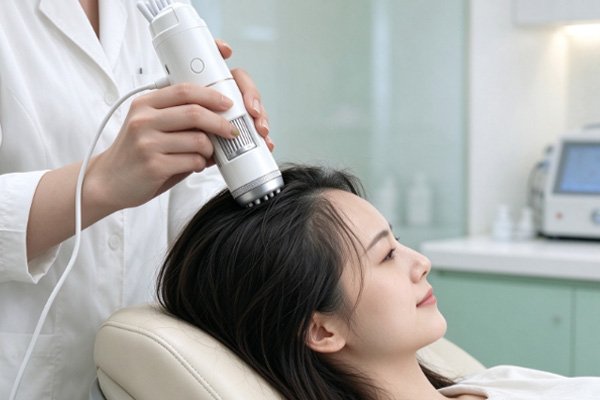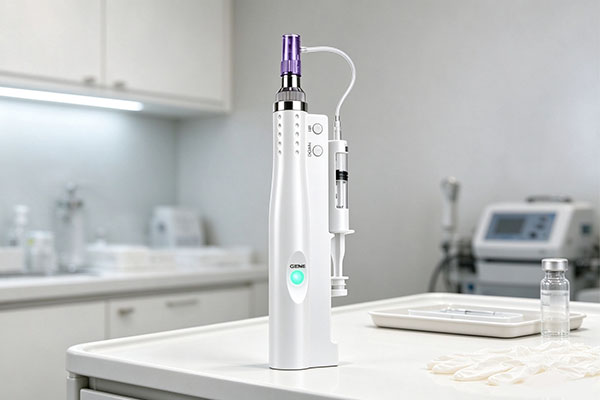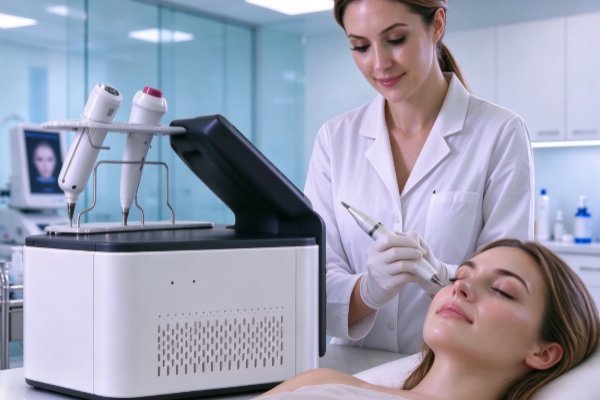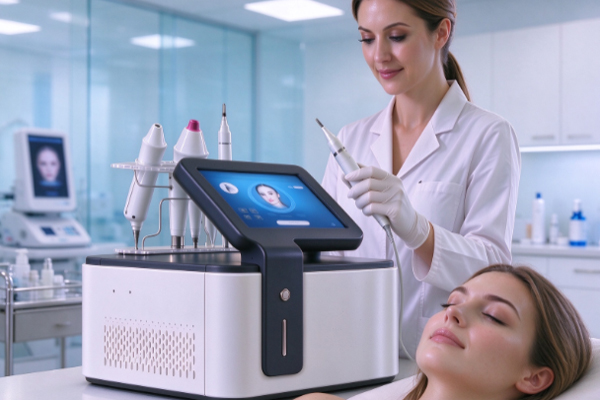
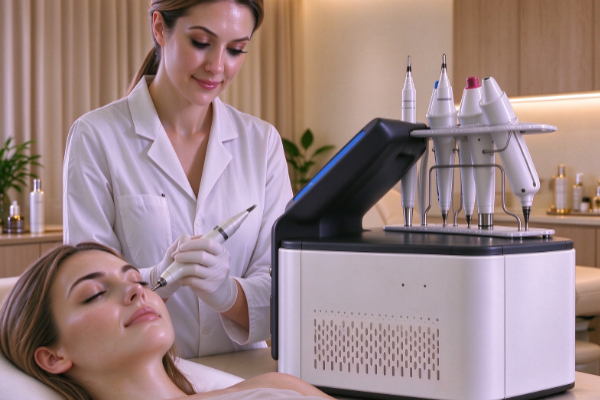
A Plasma Pen beauty device uses plasma discharge technology to deliver localized energy effects. Certain products are intended for specific procedures designed to improve the appearance of the skin. Operating these devices involves electrical energy output, treatment tip control, skin condition assessment, and post-treatment care. They should not be put into service based solely on basic startup instructions. For beauty salons, professional skincare clinics, and aesthetic equipment buyers, establishing standardized operating procedures helps reduce the risk of operational errors and equipment damage. Plasma Pen devices from different brands and manufacturers may vary in energy delivery methods, control interfaces, approved treatment areas, and authorized intended uses. All procedures must follow the manufacturer’s instructions, product compliance documentation, and applicable local regulations. Untrained personnel should not attempt to operate these devices independently or adjust equipment settings based on online videos.
What Should You Check Before Using a Plasma Pen?
Before using the device, confirm that it is functioning properly and is suitable for the intended procedure. A Plasma Pen generates localized energy through plasma discharge, so equipment condition, the operating environment, and compatible accessories can all affect safety. Operators should read the manufacturer’s instructions carefully and understand the startup procedure, permitted parameter ranges, warning information, restricted treatment areas, and emergency shutdown method. If the device has a damaged housing, loose cables, a defective treatment tip, or unstable output, discontinue use and contact the supplier or a qualified service technician. Do not attempt to dismantle or repair the device yourself.
Pre-use checks should include the following:
- Verify product information: Check the device model, product label, user manual, and intended applications. Confirm that applicable registration, filing, or other compliance requirements have been met.
- Inspect the device: Examine the housing, power cable, connectors, and treatment tip for damage. Do not use equipment with visible defects.
- Check the operating environment: Prepare a clean, well-ventilated workspace that meets the manufacturer’s electrical safety requirements, and prevent the device from coming into contact with liquids.
- Confirm compatible accessories: Ensure that the specified accessories are available and understand the replacement requirements for treatment tips, consumables, and other components.
- Verify safety functions: Follow the manual to check the required safety features. Never bypass protective mechanisms or modify the electrical circuitry without authorization.
After completing these checks, operators should also confirm that equipment maintenance records and required training records are up to date. If product documentation is incomplete, the intended use is unclear, or a safety function is questionable, suspend use until the issue has been verified and resolved.
What Is the Correct Operating Procedure for a Plasma Pen?
The exact operating procedure depends on the device model and its authorized intended use. There is no single set of operating parameters that applies to every Plasma Pen. Operators should follow the manufacturer’s instructions for startup, functional checks, parameter selection, and shutdown. They must not experiment with unverified output settings. Procedures involving direct skin application should only be performed by appropriately qualified and professionally trained personnel after a suitability assessment and the necessary risk disclosures have been completed. Localized plasma discharge may cause thermal injury, redness, scabbing, and pigmentation changes. A Plasma Pen should not be treated as an ordinary home skincare device, and operators should never increase the energy output or extend the exposure time simply because a client expects more dramatic results. If the device produces unusual sounds, unstable output, excessive heat, or warning signals, stop the procedure according to the manufacturer’s instructions and suspend use until the equipment has been confirmed safe.
How Should Skin Condition Be Assessed and Suitable Procedures Selected?
Assessing skin condition is an essential part of using a Plasma Pen appropriately. Skin thickness, sensitivity, recovery capacity, and previous skin problems vary from person to person. The same device may not be suitable for every facial area. Before a procedure, operators should review the client’s skin condition, previous skincare treatments, recent cosmetic or medical procedures, and any abnormalities that require further evaluation. If the target area has an active infection, significant inflammation, an open wound, or another unexplained skin problem, postpone the procedure and seek advice from a qualified professional. Clients who are prone to pigmentation changes, scarring, or other adverse reactions require careful assessment based on the device instructions and professional judgment.
Promotional claims cannot replace the device’s official intended-use information. If a particular model is not explicitly approved or indicated for use around the eyes, lips, or other sensitive areas, operators should not extend its application to those areas independently. Before receiving treatment, clients should understand the procedure’s objectives, possible skin reactions, recovery time, available alternatives, and associated risks. Clinics should also avoid promising permanent tightening, complete wrinkle removal, or guaranteed results. Service descriptions must remain consistent with verifiable product evidence.
What Safety Precautions Should Be Followed During Operation?
The safe operation of a Plasma Pen depends not only on equipment quality but also on operator training, workplace management, and procedures for responding to potential risks. Localized discharge may produce thermal effects, and incorrect use can result in burns, persistent redness, infection, pigmentation changes, or scarring. Sensitive areas, particularly around the eyes, require special caution. All protective measures must comply with the device instructions and relevant regulations. Clinics should never allow untrained personnel to perform these procedures independently or omit essential assessments, client disclosures, or protective measures to speed up the process.
The following safety requirements should be implemented:
- Follow the manufacturer’s parameters: Use only the settings permitted by the instructions. Do not independently increase the output or attempt unverified operating methods.
- Maintain hygiene standards: Clean and disinfect reusable components according to the product requirements. Never reuse single-use accessories.
- Provide appropriate eye and treatment-area protection: Apply the protective measures specified for the device and strictly observe restrictions for sensitive areas.
- Monitor device performance: Stop operation immediately if excessive heat, unusual odors, error messages, or changes in output occur.
- Establish an adverse-event response procedure: If a burn, infection, or other adverse reaction is suspected, stop the procedure promptly and arrange medical assessment. Record and report the event according to the organization’s procedures.
After use, the device should be powered down, cleaned, stored, and maintained according to the manufacturer’s requirements. Cleaning and disinfection methods must be compatible with the device’s materials and electrical components. Prevent liquids from entering the housing and avoid using unapproved chemical agents.
How Should You Maintain the Device and Provide Post-Treatment Care?
Routine maintenance helps keep a Plasma Pen in proper working condition and reduces the risk of equipment failure. After each use, shut down the device and disconnect the power supply as instructed by the manufacturer. Clean permitted components using the specified procedures. Treatment tips, cables, and accessories should be inspected regularly. If wear, loose connections, physical damage, or abnormal performance is detected, stop using the device and contact an authorized service provider. Store the equipment away from moisture, excessive heat, and potential impacts. Internal components should never be dismantled by unauthorized personnel. Clinics can maintain equipment records containing purchase details, maintenance dates, fault reports, accessory replacements, and operator training records to support traceability and effective management.
Post-treatment care should also follow professional guidance. Based on the device instructions and the client’s condition, provide appropriate advice on cleansing, sun protection, and recovery management. Clients should avoid using irritating products or undergoing additional cosmetic procedures unless advised by a qualified professional. If significant pain, blisters, worsening redness, signs of infection, or other unusual symptoms develop, seek medical evaluation promptly rather than attempting self-treatment or continuing with further procedures. Proper equipment maintenance, clear communication with clients, and timely management of adverse reactions help improve service standards and reduce avoidable risks.