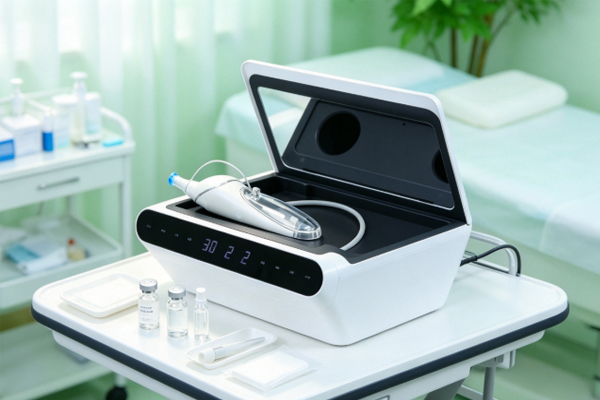
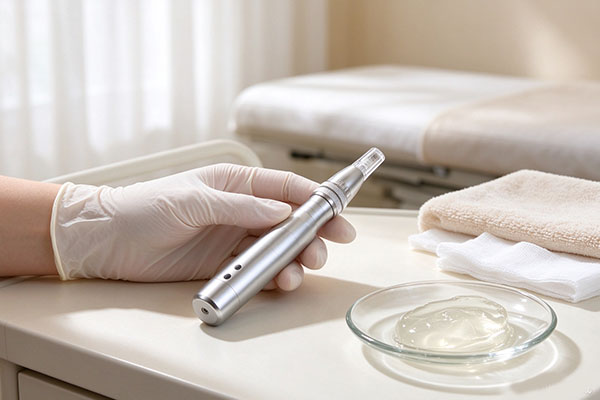
A comprehensive guide to microneedling principles, treatment applications, and safety considerations.A microneedling pen is a professional beauty device that uses fine needles to create controlled microchannels in the skin. When used as part of an appropriate treatment plan, it may help improve skin texture, fine lines, and certain types of acne scars. Needle depth is one of the key parameters affecting microneedling results. It influences the degree of skin stimulation, treatment comfort, recovery time, and potential risks.For beauty salons, skincare professionals, and beauty equipment buyers, understanding how different needle depths work helps support better device selection and more appropriate treatment planning.
Why Does Microneedling Pen Needle Depth Affect Treatment Results?
Different Depths Produce Different Levels of Skin Stimulation
A microneedling pen uses mechanical needle stimulation to trigger controlled responses in the skin. Different needle depths may affect different tissue layers and produce varying skin responses. Shallower settings are generally associated with superficial treatment needs, while deeper settings produce more intensive tissue stimulation and require stricter professional assessment.
It is important to understand that the selected needle depth does not always equal the actual penetration depth. Factors such as device design, operating pressure, needle configuration, and individual skin conditions can influence the actual treatment effect.
Deeper Needles Do Not Necessarily Deliver Better Results
Some users assume that increasing the needle depth will improve skin concerns more quickly. However, this is not always true. Excessively deep penetration may increase the risk of pain, bleeding, inflammation, pigmentation changes, and infection without necessarily producing better results.
Effective microneedling should be based on the specific skin concern, treatment area, and individual tolerance rather than simply selecting a greater needle depth.
What Treatment Needs Are Associated with Different Needle Depths?
Shallow Depths: Skin Texture and Basic Skin Care
Shallower needle settings are generally used for relatively mild skin texture concerns. Depending on the device design and treatment method, superficial microneedling may help improve rough skin texture and can be incorporated into certain professional skincare procedures.
These settings may produce less intensive stimulation, but actual results depend on whether the needles penetrate the skin, the device’s performance, and proper operating procedures. Shallow microneedling is not entirely risk-free, so users must still follow the manufacturer’s instructions and appropriate hygiene requirements.
Moderate Depths: Fine Lines and Skin Texture Concerns
In professional treatments, appropriately selected needle depths can stimulate deeper skin tissues and trigger corresponding repair responses. Following a suitable assessment, microneedling may help improve certain fine lines, uneven skin texture, and mild acne scarring.
However, treatment depth should be selected according to skin thickness, the type of concern, and the individual’s recovery capacity. A suitable depth cannot be determined by age, appearance, or a single parameter alone. Treatment intensity should not be increased arbitrarily during a session.
Deeper Settings: More Comprehensive Professional Assessment
Deeper needle settings generally involve more intensive tissue stimulation. Certain depressed acne scars and other scar-related concerns may require targeted treatment following an assessment by a qualified professional.
These procedures require greater attention to device performance, sterile needle cartridges, operating techniques, and post-treatment care. Deeper microneedling should not be treated as a routine home skincare procedure. The appropriate depth must be determined by qualified and properly trained professionals in accordance with applicable regulations.
What Factors Should Be Considered When Selecting Needle Depth?
Treatment Area and Skin Thickness
Skin thickness, sensitivity, and tissue structure vary across different areas of the face and body. The forehead, nose, and eye area do not have the same skin characteristics as the cheeks. Therefore, the same needle depth should not automatically be used across all treatment areas.
Particular caution is necessary around delicate areas such as the eyes. Operators should follow the device instructions carefully and avoid any areas identified as unsuitable for treatment.
Type of Skin Concern
Fine lines, rough texture, acne scars, and other types of scarring have different underlying causes and may require different treatment approaches. Before selecting a microneedling pen, users should identify the intended treatment purpose and confirm that the device is suitable for the application.
Microneedling should not be performed directly on areas with active acne, skin infections, open wounds, or significant inflammation.
Device Adjustability and Needle Configuration
When purchasing a professional microneedling pen, beauty salons and distributors should evaluate its needle depth adjustment range, adjustment precision, operating stability, cartridge compatibility, and ease of use.
A device offering a wide depth range does not mean every setting is appropriate for every treatment.
Buyers should also verify needle cartridge quality, sterile packaging, single-use requirements, and device cleaning and maintenance procedures. These factors are closely related to treatment safety and consistency.
How Can Proper Operating Procedures Improve Microneedling Quality?
Develop a Treatment Plan Based on Skin Conditions
Before treatment, the operator should assess the client’s skin condition, relevant skin concerns, and potential risk factors. Device settings should be selected according to the treatment objective and the manufacturer’s instructions.
Procedures involving deeper needle penetration should be performed by qualified professionals in accordance with local regulations. Generic needle depth charts found online should not be used as the sole basis for treatment decisions.
Prioritize Needle Hygiene and Device Maintenance
A compatible, sterile, single-use needle cartridge should be used for each treatment as specified by the manufacturer. Disposable needle cartridges must never be reused.
Operators should also follow appropriate hand hygiene, equipment cleaning, and cross-contamination prevention procedures to reduce the risk of infection caused by improper handling.
Provide Appropriate Post-Treatment Skin Care
After microneedling, the skin may temporarily experience redness, dryness, or sensitivity. Users should avoid irritating skincare products and follow professional guidance on moisturization, sun protection, and skin barrier care.
If significant swelling, persistent pain, unusual discharge, or other concerning reactions occur, prompt medical evaluation is recommended.
What Should Buyers Look for in a Professional Microneedling Pen?
For beauty equipment distributors, salons, and professional skincare providers, the value of a microneedling pen extends beyond its needle depth range. Important considerations include adjustment precision, operating stability, ergonomic design, needle cartridge availability, and after-sales support.
Aqual Beauty specializes in the development and manufacturing of beauty equipment and offers OEM/ODM cooperation services. When selecting a microneedling pen, buyers can evaluate equipment options according to their target markets, intended applications, needle configurations, and product compliance requirements.
Choosing a suitable device helps businesses align their equipment selection with their operational needs and professional service standards.
Conclusion
Microneedling pen needle depth influences the degree of skin stimulation, treatment objectives, recovery process, and potential risks. Shallow, moderate, and deeper settings serve different purposes, but no single depth is suitable for every individual or skin concern.
Selecting the right microneedling pen requires consideration of the treatment area, skin condition, device specifications, operator qualifications, and hygiene requirements. For professional beauty equipment buyers, evaluating adjustability, needle quality, operating stability, and manufacturer support can help establish a more reliable equipment selection and treatment process.