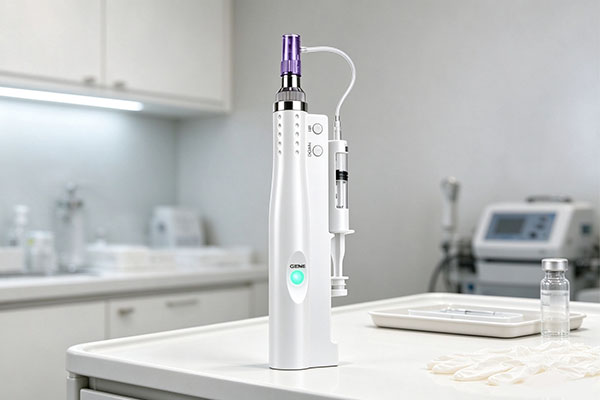
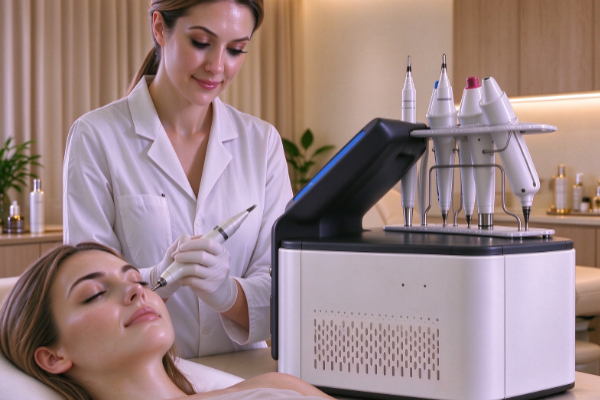
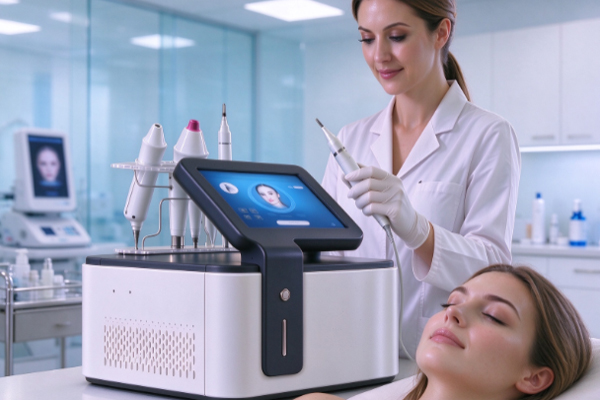
A Plasma Pen is a type of beauty device that uses plasma discharge technology to deliver localized energy effects. In some professional aesthetic settings, it is marketed for procedures related to improving the appearance of the skin. Different models may vary in energy output, treatment tip design, suitable application areas, and authorized intended uses. Its suitability cannot be determined by the product name alone. For beauty salons and medical aesthetic clinics offering facial treatments, understanding potential applications, usage limitations, and safety requirements can help them select appropriate equipment and establish standardized service procedures. Facial skin can be sensitive, and areas such as the eye contour, sides of the nose, and skin around the lips require particular caution. All procedures should follow the device instructions, local regulatory requirements, and professional assessments. Marketing claims should not automatically be treated as clinically proven results.
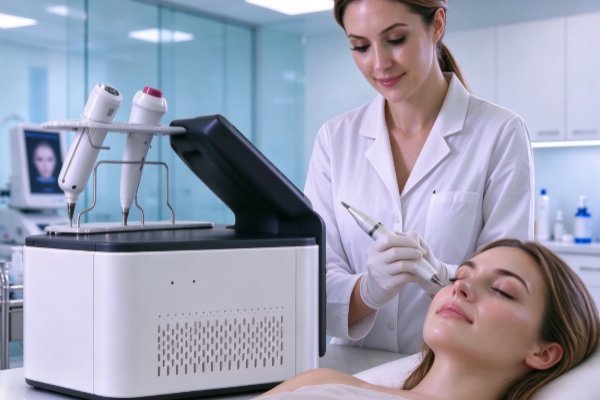
What Facial Skin Appearance Treatments Can a Plasma Pen Be Used For?
Some Plasma Pen products are marketed for procedures related to facial fine lines, skin laxity, and localized improvements in skin appearance. However, specific applications depend on the device design, authorized indications, and operating guidelines. Plasma discharge may generate localized thermal effects and affect the skin’s surface, so a Plasma Pen should not be considered equivalent to ordinary moisturizing or cleansing equipment. When planning treatment services, clinics need to confirm that the device is authorized for the intended area and assess the client’s skin condition, goals, and potential risks. Skin responses and recovery times can vary between individuals, and identical results cannot be guaranteed for every client.
Common client inquiries include:
- Fine-line appearance care: Some devices are marketed for improving the appearance of localized fine lines. Actual results should be evaluated against product evidence and authorized uses, and complete elimination of fine lines cannot be guaranteed.
- Skin laxity-related treatments: Certain products are promoted for skin tightening. However, their names or discharge mechanisms alone do not establish that they can deliver long-lasting tightening.
- Localized skin appearance improvement: Some devices may be designed for specific, small areas of concern. The treatment area and operating method must comply with the manufacturer’s instructions.
- Professional aesthetic treatment assessment: Before offering a service, clinics should verify the device’s intended applications, operator qualifications, and client suitability instead of automatically adding every facial concern to their treatment menu.
For aesthetic clinics, defining the scope of services is more important than expanding promotional claims. If a device is not explicitly approved or indicated for a particular application, that application should not be added to the routine service menu without appropriate authorization and evidence.
Is a Plasma Pen Suitable for Eye Area Treatments?
The skin around the eyes is relatively delicate and lies close to the eyeballs and other sensitive structures. Extra caution is necessary when using a Plasma Pen in this area. Some promotional materials may mention eye-area fine lines or improvements in the appearance of the upper eyelids, but this does not mean that every model is suitable for eye-area treatments or that untrained personnel can operate it independently. The thermal effects of localized discharge may cause burns, pigmentation changes, scarring, or other tissue damage. Eye injuries can have particularly serious consequences. Clinics should carefully check the manufacturer’s instructions for prohibited areas and required protective measures. If the manufacturer does not explicitly permit use in a particular area, the device should not be used there. Clients with drooping eyelids, eye diseases, or noticeable skin abnormalities should seek assessment from a qualified medical professional rather than relying on routine cosmetic treatment as a substitute for necessary medical evaluation.
How Does a Plasma Pen Differ from Conventional Facial Care?
A Plasma Pen works differently from routine cleansing, hydration, moisturizing, or soothing treatments. Conventional basic skincare generally focuses on cleansing, maintaining skin hydration, and improving skin comfort. A Plasma Pen uses localized plasma discharge to deliver energy, which may cause visible skin reactions and requires consideration of recovery time and potential risks. The mechanisms and intended purposes of different devices also vary, so a Plasma Pen should not automatically be grouped with all non-invasive beauty devices. Before choosing a treatment, clients should understand the procedure, possible reactions, recovery requirements, and available alternatives. Aesthetic clinics should clearly explain the actual objectives and limitations of the treatment, avoid describing short-term appearance changes as permanent improvements, and never replace objective product information with unsubstantiated promises.
What Assessments and Preparations Are Needed Before a Facial Treatment?
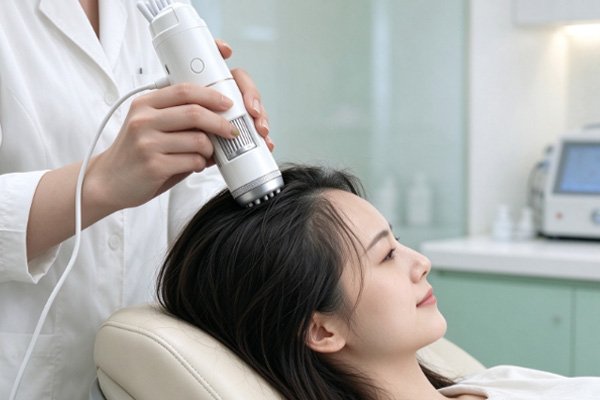
Before a Plasma Pen facial procedure, an appropriate suitability assessment should be completed in accordance with the device instructions and the clinic’s established protocols. Operators need to understand the client’s skin condition, previous skin reactions, recent cosmetic or medical procedures, and any circumstances requiring further evaluation. If the skin has active inflammation, infection, unhealed wounds, or other abnormalities, the procedure should be postponed until professional advice has been obtained. Clients who are prone to pigmentation changes, have a higher risk of scarring, or present other potential risk factors also require careful assessment. Specific restrictions vary by device and individual circumstances, so a general checklist cannot replace the manufacturer’s instructions or a professional evaluation.
Pre-treatment management may include the following steps:
- Verify the device’s intended applications: Review the manufacturer’s instructions, technical specifications, and any registration or filing documentation required by local regulations to confirm whether the planned procedure falls within the device’s authorized use.
- Assess the skin condition: Document the condition of the target area and identify inflammation, broken skin, or other abnormalities requiring professional evaluation.
- Explain potential risks: Inform clients about possible pain, redness, scabbing, pigmentation changes, infection, scarring, and the potential recovery period.
- Verify operator qualifications: Ensure the device is operated by appropriately trained and qualified personnel who follow the specified parameters and procedures.
- Plan post-treatment care: Provide appropriate cleansing, sun protection, and follow-up guidance according to the device instructions. Any abnormal reaction should receive prompt professional assessment.
A complete preparation process helps improve service consistency and enables clients to make informed decisions based on realistic expectations and an understanding of potential risks. Clinics should not omit essential assessments or informed consent procedures to shorten service times.
How Can Aesthetic Clinics Choose a Plasma Pen for Facial Treatments?
When purchasing a Plasma Pen for facial treatments, clinics should prioritize regulatory compliance, complete technical documentation, operating safety, and supplier support. The device should have clear product identification, operating instructions, output specifications, and maintenance requirements. Suppliers should also explain the product’s intended applications, limitations, and regulatory status in the relevant market. If promotional materials mention specific uses, such as fine-line improvement, skin tightening, or eye-area treatments, purchasing professionals should verify the supporting evidence rather than relying solely on sales demonstrations or before-and-after advertising images. Treatment tip design, clarity of parameter controls, consumable availability, after-sales maintenance, and training arrangements can also affect daily operations.
Before placing an order, clinics can request product demonstrations, technical documentation, training plans, warranty terms, and information about replacement parts. They should also confirm the cleaning and disinfection requirements, maintenance intervals, and procedures for handling unexpected events. For medical aesthetic clinics, equipment selection must comply with local regulations governing medical devices, professional qualifications, and the provision of specific procedures. Reliable purchasing decisions should be based on verifiable product information, clearly defined usage limitations, and comprehensive after-sales support rather than simply pursuing low prices or exaggerated performance claims.