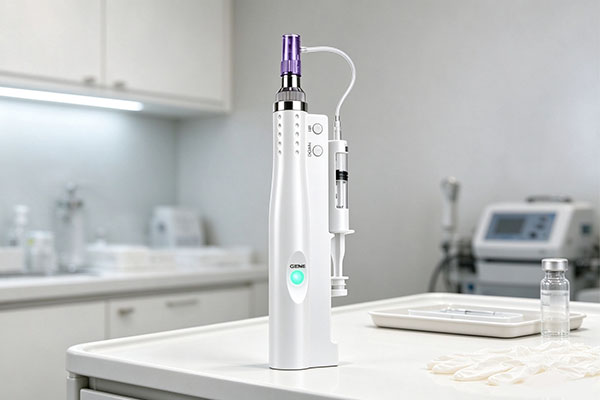
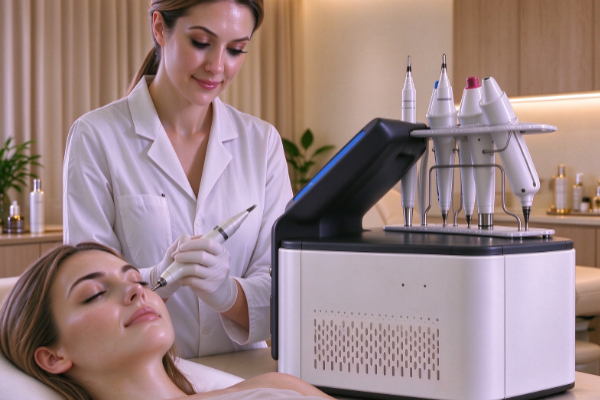
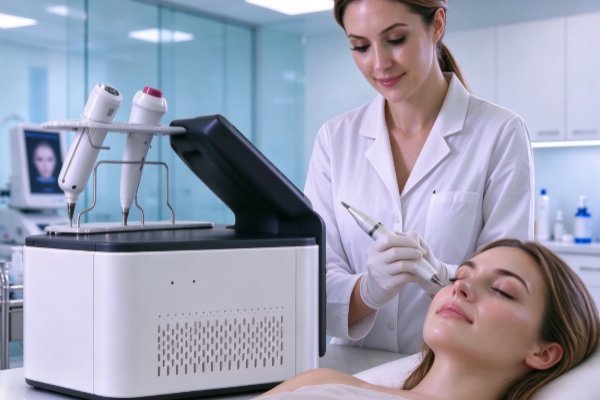
A Plasma Pen skin tightening device is a type of beauty equipment that uses plasma discharge technology to produce localized effects. It is commonly marketed for cosmetic skin improvement and skin tightening-related procedures. The device delivers electrical energy to its treatment tip, creating a localized discharge effect between the tip and the skin surface. This produces a controlled energy effect in the target area. Different brands and models may vary significantly in their discharge methods, energy adjustment systems, treatment tip designs, and intended applications. Actual uses should be determined according to the product manual, applicable registration or filing information, and local regulations. Understanding how the device works helps beauty clinics evaluate its performance, operating requirements, and potential risks, while enabling purchasing professionals to select equipment that better matches their business needs.
How Does a Plasma Pen Generate Plasma Discharge?
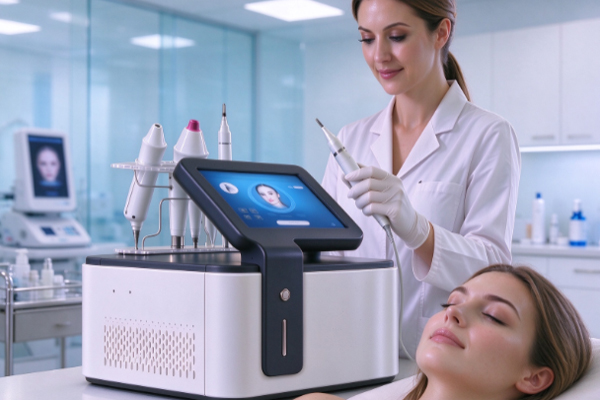
The core technology of a Plasma Pen involves electrical energy output and localized gas ionization. During operation, the internal circuit delivers electrical energy to the treatment tip. Under specific conditions, a localized discharge occurs, ionizing the surrounding gas and generating plasma. This process may create small, localized energy points on the skin surface. The actual effects depend on the device’s structural design, output parameters, and operating distance. Different models do not necessarily use identical mechanisms, so their actual performance cannot be determined solely by their appearance or product name.
Common technical design features include:
- Electrical energy output system: Controls the electrical energy and related parameters required for discharge. Output stability can affect the device’s operating performance.
- Treatment tip design: The shape, size, and material of the tip can influence the discharge location and the range of energy delivery.
- Parameter adjustment functions: Some devices offer multiple output settings, allowing trained professionals to select appropriate parameters within the limits specified by the manufacturer.
- Safety protection features: Devices may include overload protection, electrical isolation, or other safety mechanisms. The actual configuration should be verified through the manufacturer’s technical documentation.
Understanding these components helps purchasing professionals distinguish basic functions from actual performance. Suitability should also be assessed by reviewing technical documents, test results, and the device’s authorized applications.
How Does Localized Energy Affect the Skin?
The localized discharge generated by a Plasma Pen may produce thermal effects and visible changes to the skin’s surface. Some devices are designed to create tiny treatment points, and users may experience temporary redness, scabbing, or localized discomfort after use. The skin requires time to recover. Although marketing materials often describe benefits such as skin tightening and the improvement of fine lines, these claims do not mean that every device delivers the same results. The discharge mechanism alone does not establish that a device can stimulate collagen production or provide long-lasting skin tightening. Actual outcomes may depend on the device’s energy output, operating technique, the skin’s initial condition, and individual differences.
Visible skin changes do not necessarily indicate that a treatment’s effectiveness has been adequately established. When purchasing equipment, review the manufacturer’s clinical or performance evidence and confirm that advertised applications are consistent with the product’s authorized intended use. A device intended for cosmetic applications should not be promoted as a substitute for medical diagnosis or treatment. For people with sensitive skin, inflammation, open wounds, or other abnormal skin conditions, suitability should be assessed by a qualified professional based on the product instructions and the individual’s circumstances.
What Factors Affect Plasma Pen Performance?
The actual performance of a Plasma Pen is closely related to its design, output stability, operator training, and operating environment. Different models may have different discharge intensities, energy control methods, and treatment tip specifications. Products with similar names do not necessarily offer equivalent performance. Skin condition, treatment area, intervals between procedures, and aftercare practices may also affect the recovery process. Purchasing organizations should evaluate equipment according to their planned services rather than relying solely on promotional images, discounted prices, or claims of immediate results. The availability of clear technical specifications, defined intended uses, operator training, and after-sales support also influences the equipment’s long-term value.
What Safety Precautions Should Be Taken When Using a Plasma Pen?
A Plasma Pen involves localized discharge or energy delivery. Improper use may cause burns, persistent redness, hyperpigmentation or hypopigmentation, infection, and scarring. Sensitive areas, particularly around the eyes, require special caution. The device should not be treated as an ordinary daily skincare tool. Before use, verify that the equipment is suitable for the intended procedure and strictly follow the manufacturer’s instructions and applicable local regulations. Only appropriately trained and qualified personnel should operate the device within its authorized intended use.
Key safety and management measures include:
- Verify product documentation: Check the product label, user manual, technical specifications, intended applications, and any registration or filing documents required by local regulations.
- Provide operator training: Ensure that operators understand device startup, parameter settings, cleaning and disinfection, contraindications, and procedures for handling unexpected events.
- Conduct pre-use assessments: Confirm the suitability of the intended user and treatment area according to the manufacturer’s instructions. Do not proceed without appropriate assessment when skin conditions raise concerns.
- Maintain usage records: Follow the organization’s procedures for documenting maintenance, device use, and adverse events to support traceability.
- Respond appropriately to adverse reactions: If significant pain, blisters, signs of infection, or worsening persistent redness occur, discontinue use and seek medical evaluation promptly.
Safety management affects not only the treatment experience but also operational risk and customer trust. A compact design or convenient operating process should never be a reason to overlook professional training and risk control.
How Can You Evaluate the Quality of a Plasma Pen Skin Tightening Device Before Buying?
When purchasing a Plasma Pen skin tightening device, evaluate technical reliability, regulatory documentation, operational safety, and after-sales support. A reliable supplier should provide complete product instructions, technical specifications, maintenance requirements, training materials, and warranty terms. The supplier should also clearly explain the device’s intended applications and limitations. When comparing products from different suppliers, examine whether the output parameters are clearly specified, the adjustment functions meet practical requirements, the treatment tips are easy to replace and maintain, and relevant electrical safety testing documentation is available. If a product claims to provide specific cosmetic or medical benefits, verify the supporting evidence and its regulatory status in the target market rather than relying on promotional language alone.
Before placing an order, request a product demonstration to understand the actual operating procedure, consumable costs, maintenance intervals, and availability of replacement parts. For beauty salons, skin care clinics, and professional equipment distributors, ongoing technical support and standardized training are equally important. Clear contract terms, responsive after-sales service, and traceable product documentation can help reduce uncertainty during subsequent use and maintenance. Selecting equipment that matches business needs, operator capabilities, and compliance requirements is more valuable than simply pursuing the lowest price or relying on exaggerated performance claims.