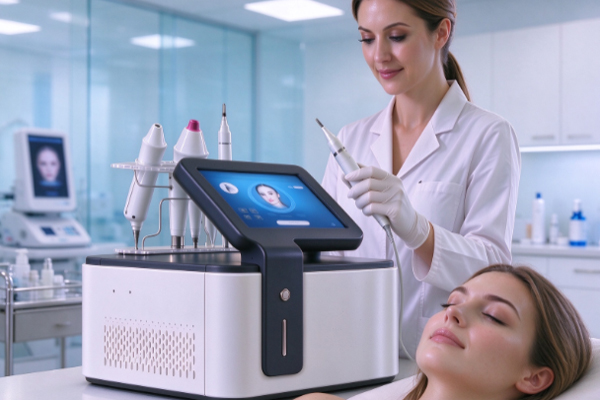
Traditional skin testing equipment mainly obtains skin condition information through basic indicator testing, image capture, or manual observation, while AI skin analyzers generally add image recognition, data processing, and analysis functions based on the corresponding hardware. Both can be used to understand facial skin conditions, but they differ in data acquisition, analysis methods, result organization, and usage processes. For beauty institutions, understanding these differences can help them select suitable skin analysis equipment according to their actual needs.
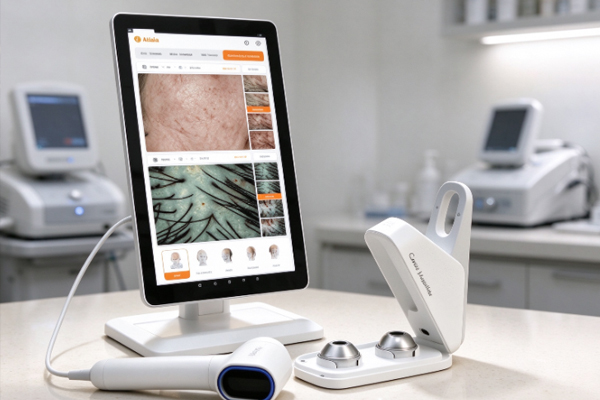
What Are the Differences in Analysis Methods Between AI Skin Analyzers and Ordinary Skin Testing Equipment?
The differences between the two types of equipment are not limited to software analysis methods, but are also related to configurations such as image capture, sensors, and light sources. Specific functions should be evaluated according to the actual design of the equipment.
Differences in Data Acquisition Methods
Ordinary skin testing equipment can obtain skin information through basic indicators or conventional images, while AI skin analysis equipment may perform further recognition and comprehensive processing based on this information.
- Basic Testing: Obtains information such as moisture, oil, skin tone, or surface condition according to the equipment configuration.
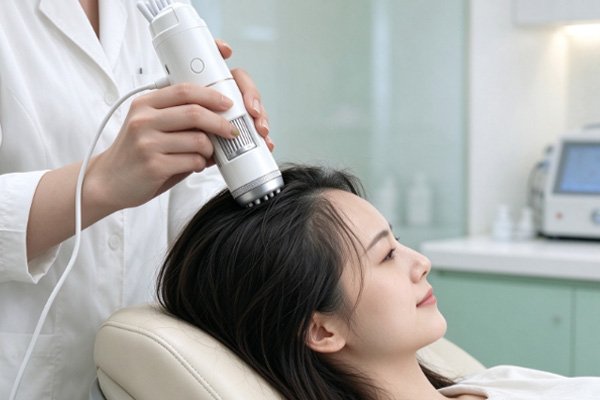
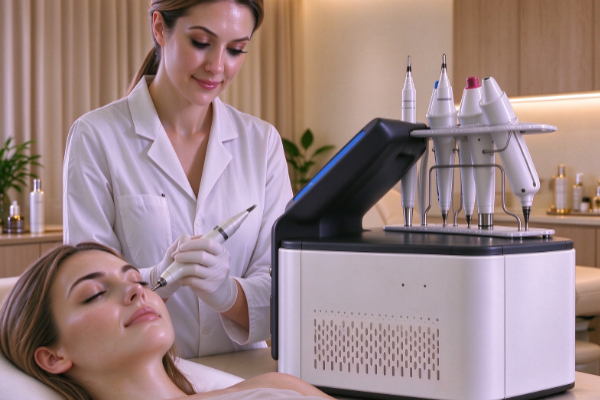
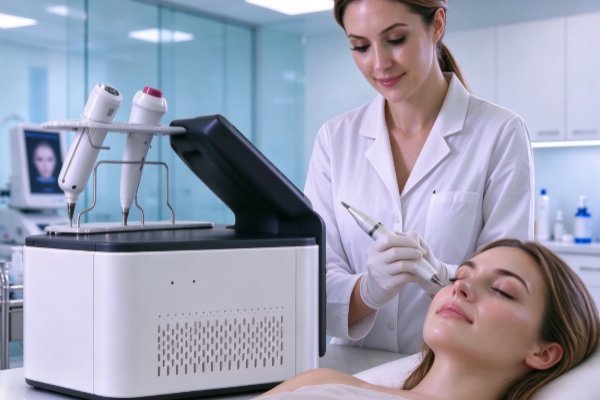
- Image Capture: Uses a camera system to capture facial images for observing skin appearance characteristics.
- Optical Assistance: Some equipment uses different light sources, filters, or imaging methods to obtain specific visual information.
- Comprehensive Processing: Classifies and analyzes captured images or testing data according to different parameters.
Testing methods vary between different devices, and the specific analysis items should be determined according to their actual functions.
Differences in Result Processing Methods
Ordinary equipment requires staff to interpret the results, while AI analysis equipment can use algorithms to further process the collected information, identify skin appearance characteristics, distinguish different facial areas, perform quantitative analysis of specific visual characteristics in terms of quantity, area, or degree, and present the results through images, data, or reports. AI functions are only used to assist recognition and analysis and cannot directly serve as a basis for disease diagnosis.
What Are the Practical Advantages of AI Skin Analyzers?
After AI technology is incorporated into the skin analysis process, images and testing data can be systematically organized to provide staff with clearer reference information.
Making Skin Conditions More Intuitive
Clear analysis results can help staff explain specific skin characteristics more effectively.
- Image Display: Presents relevant facial areas in an intuitive manner.
- Feature Recognition: Assists in identifying skin visual characteristics that the equipment can analyze.
- Data Assistance: Uses testing data to organize skin condition information.
- Area Comparison: Allows differences in appearance across different facial areas to be observed.
This type of information is suitable for observing skin conditions and communicating with clients during beauty care services.
Facilitating Continuous Records
Skin appearance can change over time and during the care process. Recording results at different stages helps track these changes.
- Record Creation: Saves analysis information from different stages.
- Before-and-After Comparison: Compares images or analysis results from different times.
- Change Analysis: Uses testing data to observe changes in specific parameters.
- Communication of Changes: Uses images or data to help clients understand relevant changes.
Continuous records can be incorporated into consultation and care processes at beauty institutions and can also facilitate subsequent review.
What Other Uses Does Ordinary Skin Testing Equipment Have?
The broader functions of AI skin analyzers do not mean that ordinary testing equipment has lost its practical value. Equipment selection should still be based on actual work requirements and testing needs.
Suitable for Basic Skin Condition Observation
Some basic equipment is straightforward to operate and can be used for routine skin condition testing.
- Basic Indicator Testing: Obtains relevant data for the parameters supported by the equipment.
- Simple Operation: Suitable for scenarios where basic testing needs to be completed quickly.
- Routine Records: Uses testing results as reference information before and after beauty care.
For workflows with clearly defined testing requirements, basic equipment can still provide practical value.
Equipment Selection Should Focus More on Actual Requirements
When purchasing skin testing equipment, it is not advisable to judge it solely by the number of AI functions. It is important to confirm whether the equipment covers the required analysis items, understand specific configurations such as cameras, sensors, and light sources, determine what information the equipment can recognize and process, understand its operation, data viewing, and recording methods, and consider maintenance, consumables, and daily operating conditions. Selecting equipment based on actual workflows can help maximize its practical value.
What Should Be Considered When Choosing an AI Skin Analyzer?
AI skin analyzers involve image capture, hardware configuration, software algorithms, and result presentation. Selection should therefore be based on the specific functions of the equipment.
Focus on Analysis Functions and Result Presentation
The practical value of AI functions is related to the testing content, acquisition conditions, analysis methods, and result presentation.
- Analysis Items: Confirm what skin condition information the equipment can provide.
- Image Quality: Check whether facial images can be captured clearly and consistently.
- Optical Configuration: Understand the intended applications of any special light sources or imaging methods.
- Analysis Capabilities: Confirm whether the AI supports feature recognition, area analysis, data quantification, or result comparison.
- Report Format: Determine whether analysis results are convenient to view, save, and use.
Hardware and AI functions vary between different devices, so actual performance should not be judged solely by the term “AI.”
Select According to the Institution’s Service Workflow
The equipment needs to be integrated into daily operations, so ease of use and record management should also be considered. It is important to understand the steps required to complete a single test, consider whether the shooting environment, equipment position, and operating method can remain consistent, determine whether the analysis results are convenient for staff to explain skin conditions, and consider data storage, record organization, and equipment maintenance.
The main differences between AI skin analyzers and ordinary skin testing equipment lie in data acquisition, image capture conditions, analysis and processing, and result presentation. Some AI devices can assist with skin feature recognition, area analysis, data quantification, and comparison between different stages, but their specific capabilities depend on the equipment configuration. When selecting equipment, institutions should consider testing items, operating procedures, and actual usage requirements, and use the testing results as a reference for observing skin conditions during beauty care.