Loose eyelids, fine lines around the eyes, and wrinkles around the mouth are common skin concerns discussed in beauty clinics. Fibroblast plasma has attracted attention for its potential use in localized skin tightening and wrinkle-related treatments. However, before adding this type of treatment to a beauty service menu, clinics need to understand which areas may be suitable, what skin concerns can be addressed, and what precautions are necessary. Skin thickness and sensitivity vary from one area to another, and device capabilities differ as well. Rather than focusing only on advertised results, it is important to check the device’s intended use, operating requirements, and safety limitations.
What Facial Areas Can Be Treated With Fibroblast Plasma?
The face is a commonly discussed treatment area, particularly for fine lines, mild skin laxity, and uneven skin texture. However, each area has different characteristics, so a qualified professional must assess whether treatment is appropriate.
- Eye Area and Upper Eyelids: Some people are concerned about loose eyelids and fine lines around the eyes. Because the skin is thin and close to the eyeballs, these areas require careful assessment, appropriate eye protection, and experienced operators.
- Forehead and Between the Eyebrows: Forehead lines and frown lines can make the face look tired. Suitability depends on wrinkle depth, skin condition, and the device’s approved or intended use.
- Cheeks: For concerns such as shallow acne marks or uneven skin texture, the underlying cause should be assessed first. Not all acne marks and scars can be treated in the same way.
- Chin and Jawline: People with localized fine lines or mild skin laxity may ask about treatment options. However, significant sagging may not respond as expected to this type of technology.
Is Fibroblast Plasma Suitable for the Mouth Area and Neck?
Fine lines around the mouth and loose skin on the neck are also common concerns. The skin around the mouth moves frequently, while neck skin can be relatively thin. Healing and the risk of scarring need careful consideration in both areas. For beauty clinics, a treatment request alone is not enough to determine suitability. The skin should be assessed first, the device’s instructions should be checked for the intended treatment area, and a qualified professional should decide whether treatment is appropriate. Understanding the permitted treatment areas, operating limits, and potential risks helps clinics plan their services more responsibly.
Can Fibroblast Plasma Be Used on the Arms, Abdomen, and Other Body Areas?
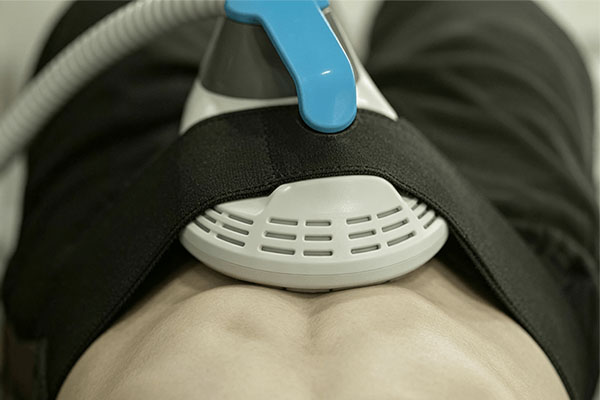
Beyond the face, some people are concerned about loose skin or visible lines on areas such as the abdomen and upper arms. However, body skin differs from facial skin, and a device should never be assumed suitable for every area.
- Abdomen: Weight changes or pregnancy may leave loose skin or stretch marks. These concerns have different causes and may require different approaches, so assessment is necessary.
- Upper Arms: Loose skin on the arms is a common appearance concern. Since the treatment area can be relatively large, the device’s intended use and operating requirements must be checked.
- Around the Knees: Fine lines or loose skin may appear around the knees. Suitability depends on skin thickness, local skin condition, and the device instructions.
- Chest and Other Areas: Scarring and pigmentation risks vary by location. Treatment methods used on the face should not automatically be applied to other body areas.
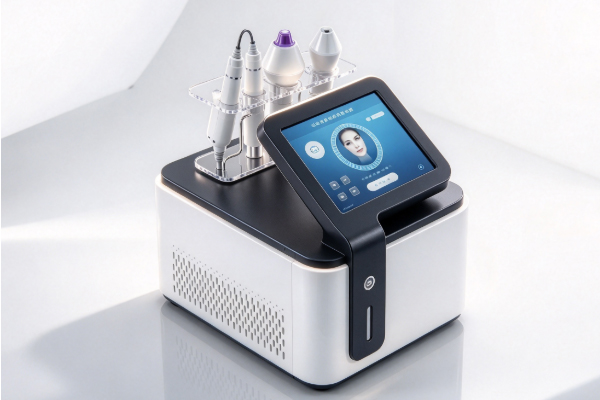
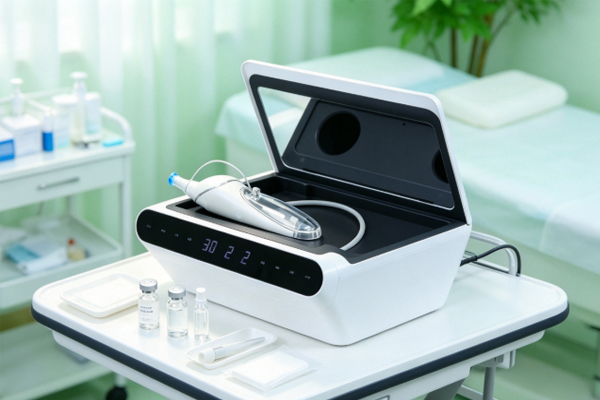
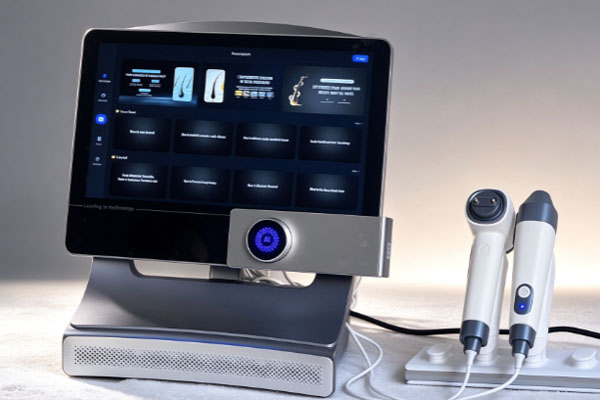
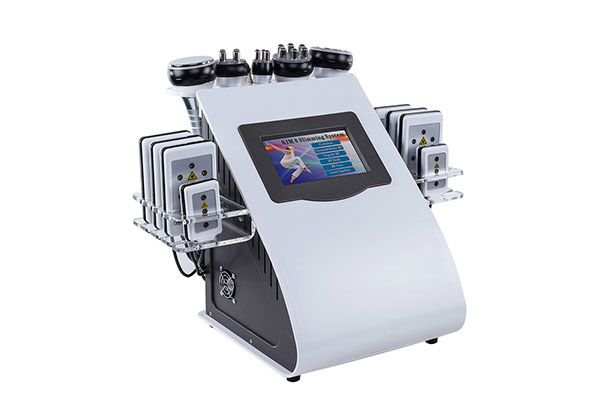
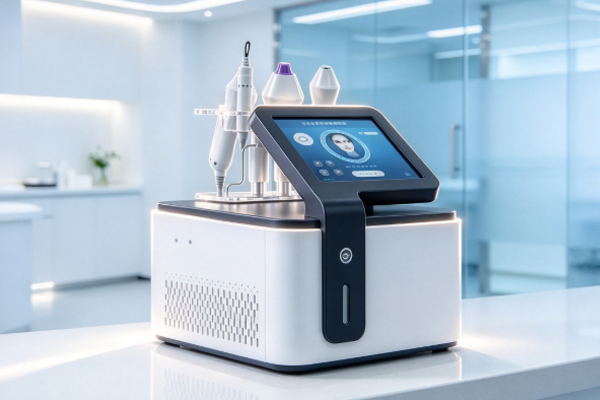
When evaluating a fibroblast plasma device, clinics should list their intended treatment areas and service needs, then check the product specifications, permitted uses, training requirements, and safety instructions. This provides a more useful basis for comparison than looking only at the device’s appearance, number of functions, or promotional photos.
What Should You Check When Choosing a Fibroblast Plasma Device?
A device’s intended treatment areas, operating method, and safety requirements all affect whether it is suitable for a clinic’s needs. Features and designs vary between models, so check the following points before making a decision.
- Intended Use: Review the product instructions to confirm which areas the device is designed or authorized to treat. Do not assume that features available on one model apply to every model.
- Operating and Safety Requirements: Check the instructions for use, required protective measures, operator training, and any qualifications needed. Sensitive areas such as the eyes require particular care.
- After-Sales and Technical Support: Ask about maintenance, troubleshooting, replacement parts, and training support to avoid problems after the device is put into use.
- Product Documentation: Request detailed specifications, instructions for use, and relevant compliance documentation so your team can assess whether the device meets local requirements and practical needs.
The value of a fibroblast plasma device is not simply about the skin areas it may be used for. It also depends on whether the product meets your intended needs and comes with clear documentation and appropriate technical support. Beauty clinics and distributors evaluating equipment should identify their planned services first, then compare models, intended uses, operating requirements, and after-sales support. To evaluate a suitable device, request detailed product specifications, intended-use information, and available support documentation. This makes it easier to compare options and determine whether a product fits your business needs.