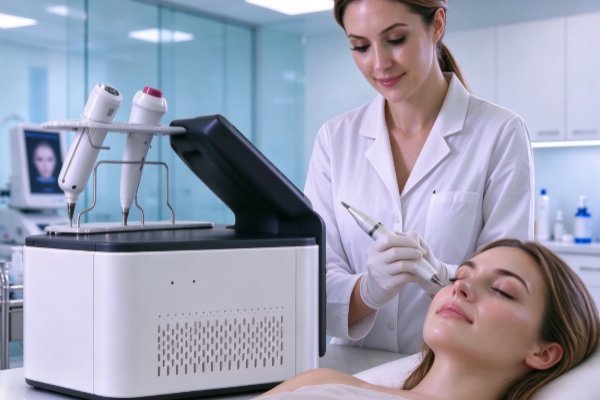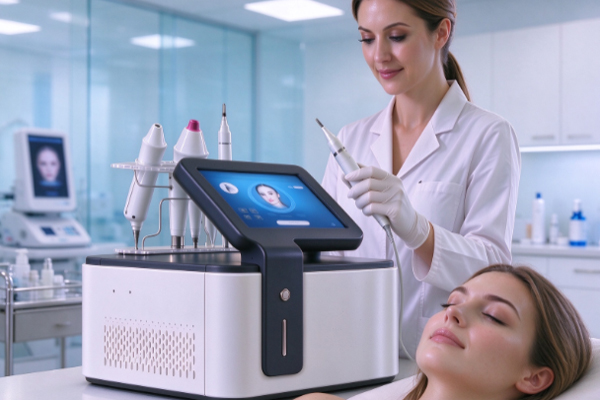
The operating direction of a microneedling pen affects how the needles contact the skin, the uniformity of treatment, and overall operating safety. For beauty clinics and professional practitioners, understanding pen angle, movement paths, and direction changes can help reduce unnecessary friction and skin damage. Different microneedling pens vary in needle structure, operating modes, and intended applications, so operating methods must be determined according to the requirements of the specific device. Understanding the basic principles of directional control helps standardize procedures, improve consistency, and provide guidance when selecting beauty equipment.
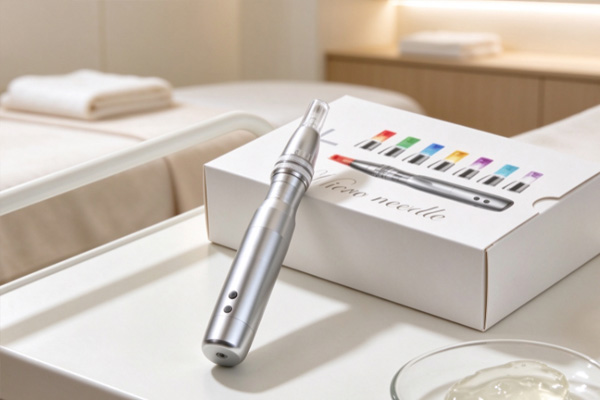
Basic Principles of Microneedling Pen Directional Control
Directional control requires consideration of needle movement, pen angle, and skin contact. Hand movement alone should not determine the operating direction.
Distinguish Movement Paths from Needle Sliding
Horizontal, vertical, and diagonal directions can be used to plan treatment areas, but this does not mean the needles can slide freely across the skin while maintaining continuous contact.
- Plan the operating path: Define the target area according to the device instructions and professional treatment protocol to minimize arbitrary changes in direction.
- Avoid lateral dragging: If the device does not permit sliding while the needles are operating, avoid dragging the pen sideways while the needles are in contact with the skin to reduce friction and the risk of tissue damage.
- Adjust the position correctly: When changing the operating position, follow the device-specific procedure for lifting the pen, moving it, and repositioning it.
Distinguishing the planned operating path from actual needle movement helps reduce improper handling.
Control the Pen Angle and Contact Conditions
The pen angle affects the direction of needle entry and the forces applied to the skin. Control the pen orientation according to the device design, product instructions, and training requirements. Do not determine a universal needle-entry angle independently. Avoid tilting or twisting the pen or applying additional pressure. Keep movements steady and avoid sudden downward pressure, shaking, or abrupt turns to reduce needle deviation. A consistent grip and posture help improve operating consistency.
Key Points for Controlling Different Operating Paths
Operating paths should be planned according to the movement methods permitted by the device and the target area. The horizontal or vertical direction alone does not determine the appropriate technique.
Planning Horizontal and Vertical Paths
Horizontal and vertical directions can be used to divide treatment areas, while actual movements must comply with the device’s operating requirements.
- Define path boundaries: Plan the target area in advance to avoid missed areas or repeated coverage.
- Follow movement restrictions: If the device requires the needles to be lifted from the skin before repositioning, follow this requirement strictly. Do not drag the pen sideways while the needles are operating and in contact with the skin.
- Change direction correctly: Adjust the position according to the device instructions, avoiding forced changes in direction while the needles remain in contact with the skin.
Clear path planning reduces uncontrolled movements and improves operational control.
Adjusting Direction in Small Areas
Areas around the nostrils and along the edges of the chin have more pronounced contours. Greater attention should be paid to positioning and the device’s intended application range.
- Control the treatment area: Position the pen within the areas permitted by the device to prevent the needles from moving beyond the target site.
- Avoid forced turns: Do not change the operating path by rotating the pen or dragging it sideways.
- Monitor skin reactions: Stop the procedure and seek professional assessment if significant pain, abnormal bleeding, or severe irritation occurs.
Careful repositioning helps reduce unnecessary skin irritation.
Key Factors Affecting Microneedling Pen Directional Control
Directional control depends not only on hand movements but also on device design, operating parameters, and skin condition.
Device Design and Operating Parameters
Microneedling pens differ in needle assemblies, operating modes, and parameter ranges. Operating methods must be appropriate for the specific device. Before use, understand how the needle assembly works and its intended application range. Trained professionals should set operating parameters according to applicable requirements. Do not arbitrarily increase needle depth or operating speed. Check the needle assembly’s packaging, expiration date, and sterile condition. Do not use damaged components. Familiarity with the device’s characteristics helps ensure proper operation.
Skin Condition and Treatment Areas
Skin condition and the sensitivity of different areas can affect treatment arrangements, so an appropriate assessment is necessary before use.
- Check skin condition: Suspend treatment on areas with infections, significant inflammation, broken skin, or unusual rashes, and seek professional assessment.
- Pay attention to sensitive areas: Areas around the eyes must be treated in accordance with the device’s intended application range and professional operating requirements.
- Respond promptly to abnormal reactions: Stop immediately and obtain professional assessment if unusual pain, persistent bleeding, or other significant adverse reactions occur.
Taking skin condition into account helps reduce unnecessary risks.
How to Standardize Microneedling Pen Operating Procedures
Clearly defined pre-operation checks and post-operation maintenance procedures help promote standardized device use.
Prepare Properly Before Operation
Equipment checks, hygiene management, and operator training are essential parts of using a microneedling pen correctly.
- Check device condition: Confirm that the device and needle assembly meet the requirements for use, and prepare them according to the product instructions.
- Maintain hygiene: Follow the prescribed equipment cleaning and disinfection procedures. Use compliant, single-use sterile needle assemblies and never reuse them.
- Confirm the operating plan: Trained professionals should define the treatment area and permitted movement methods according to the device requirements.
Adequate preparation helps reduce risks associated with equipment problems or improper operation.
Perform Maintenance and Keep Records After Operation
Proper handling of used components and regular equipment maintenance help maintain device condition and support traceable daily management.
- Record usage: Document device settings, operating details, and any abnormal reactions according to management requirements.
- Dispose of needle assemblies safely: Dispose of used needle assemblies according to applicable procedures. Do not clean them for reuse.
- Maintain the equipment: Perform cleaning, inspection, and maintenance according to the product instructions to prevent improper handling from affecting device performance.
A complete maintenance process helps keep the device in suitable condition for subsequent use.
The operating direction of a microneedling pen must be controlled according to needle movement, pen angle, device parameters, and skin condition. Horizontal and vertical paths are simply ways to plan treatment areas; they do not mean that the needles can be dragged freely sideways while remaining in continuous contact with the skin. When selecting equipment, consider the needle configuration, operating modes, usage requirements, and maintenance support, and ensure that operators receive appropriate training. Guangzhou Cosnext Technology Co.;Ltd provides product and technical consultation for customers purchasing beauty equipment, helping them identify suitable equipment configurations based on their practical application needs.