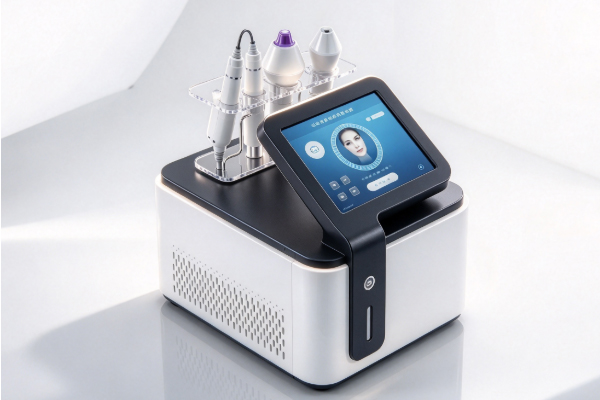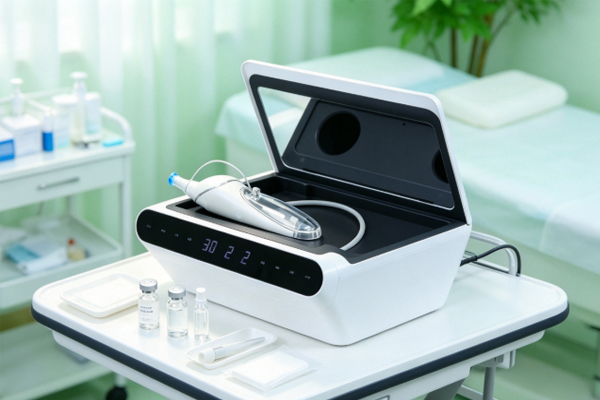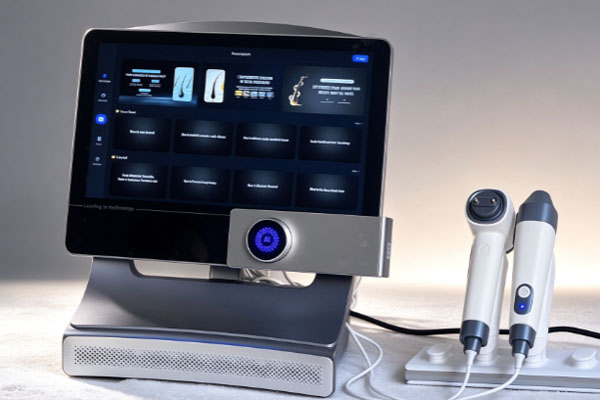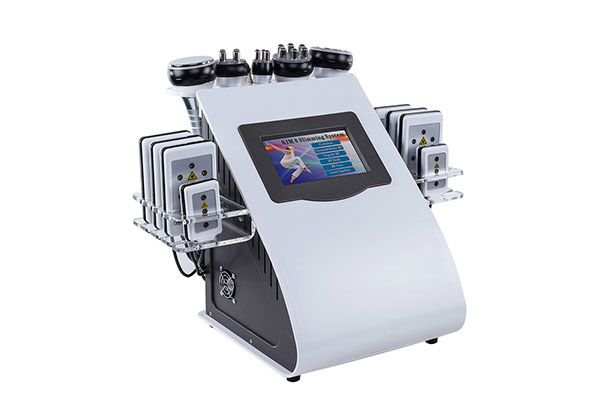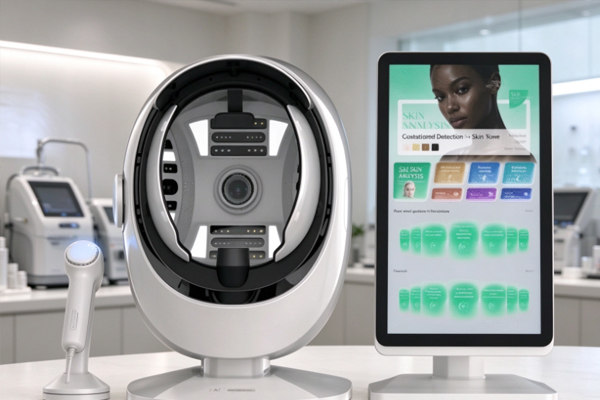
Skin tone, pores, and texture reveal certain visible characteristics, but ordinary images alone may not fully capture the details of different skin areas. AI skin analyzers combine multispectral imaging technology with image processing and intelligent analysis to capture skin images under different wavelengths of light and help identify various visible skin features. For beauty clinics and skin management centers, this technology makes analysis results more intuitive and provides useful references for client communication, skin condition tracking, and skincare planning. Understanding its imaging principles, practical applications, and device configurations helps businesses determine whether a product meets their operational needs.
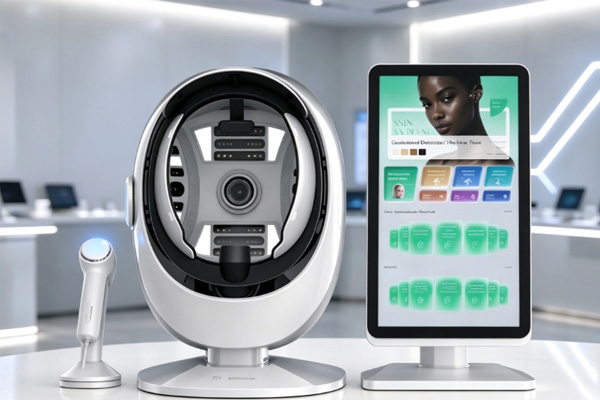
How Does Multispectral Imaging Identify Skin Features?
Multispectral imaging captures skin information using different wavelengths of light, providing multiple image references for observing visible skin characteristics.
Assisting with Pigmentation Analysis
Different wavelengths can reveal different optical characteristics of the skin, providing additional information for pigmentation-related analysis.
- Spot observation: Helps display the distribution of facial spots and areas of uneven skin tone.
- Skin tone comparison: Helps identify color differences between areas and provides a clearer view of overall skin tone.
- Image recording: Saves images of relevant areas for future comparison.
The actual scope of analysis depends on the device’s spectral configuration and algorithm capabilities. The presence of multispectral imaging alone does not guarantee specific analysis results.
Assisting with the Observation of Redness and Skin Texture
In addition to pigmentation-related features, the device can use corresponding imaging modes to present other visible skin characteristics.
- Redness distribution: Helps observe the distribution of localized facial redness.
- Pore appearance: Presents the appearance and distribution of pores through clear images.
- Surface texture: Helps identify visible features such as fine lines and rough areas.
Each imaging mode has a different observational focus. Results should be interpreted according to the device’s actual capabilities.
How Do AI Algorithms Process Multispectral Images?
Multispectral imaging captures image information, while AI algorithms process the images and identify features, helping users review analysis results more efficiently.
Automatically Identifying Target Areas
AI algorithms can identify specific areas in images according to predefined models, reducing the need for staff to examine every detail manually. They can help mark target areas such as spots and pores, separate areas of interest from the overall image, and organize the identified features for easier review and interpretation. Results depend on image quality, algorithm capabilities, and the intended scope of application, so users should refer to the product documentation when interpreting them.
Generating Clear and Visual Analysis Reports
Report functions bring images and analysis information together, making it easier for staff to explain observed skin characteristics to clients.
- Image annotations: Use color coding or area markers to display features identified by the algorithm.
- Indicator presentation: Summarize the analysis items supported by the device for convenient comparison of different areas.
- Record storage: Save images and reports according to the device’s capabilities for future reference.
Reports help users understand visible skin characteristics, but algorithm-generated scores should not be treated as medical diagnoses.
The Role of Multispectral Imaging in Skin Management
For beauty clinics, this technology combines image capture, feature presentation, and client communication to support everyday services.
Supporting Client Communication with Visual Evidence
Visual images can demonstrate differences in skin appearance more clearly than verbal descriptions alone.
- Needs assessment: Examine the relevant areas based on the client’s concerns to establish clear discussion points.
- Skincare planning: Use analysis results alongside the client’s actual condition to discuss appropriate skincare approaches.
- Feature explanation: Use image annotations to explain relevant characteristics and help clients understand the analysis.
The device provides supporting information. Specific skincare arrangements should still be based on the client’s circumstances and professional judgment.
Tracking Changes in Skin Appearance
Standardized image records help compare skin appearance over time. Images should be captured and saved regularly using a consistent procedure. Lighting, camera angle, facial condition, and device settings should remain as consistent as possible. Images and available indicators can then be compared to observe changes in relevant areas. Since image differences may result from variations in capture conditions, before-and-after comparisons alone cannot establish treatment effectiveness.
What Configurations Should You Consider When Buying an AI Skin Analyzer?
A device’s practical value depends not only on its imaging method but also on image quality, analysis functions, and software management capabilities.
Verify Spectral Configuration and Image Quality
Different devices may use different light sources, wavelength combinations, and imaging systems. Buyers should verify the specific technical specifications before making a purchase.
- Wavelength configuration: Find out which imaging modes the device offers and which analysis items correspond to each mode.
- Image quality: Evaluate image clarity, illumination uniformity, and consistency across repeated captures.
- Functional scope: Verify which skin features the product actually supports, rather than assuming that unconfigured functions are available.
Matching technical specifications to practical applications helps determine whether a device is suitable for the intended use.
Evaluate Software Usability and Data Management
Software functions affect staff efficiency and the management of client information.
- Operating workflow: Check whether the steps for image capture, analysis, and report generation are clear.
- Report configuration: Confirm that report content meets the clinic’s needs for client communication and recordkeeping.
- Data protection: Verify image storage, access permissions, backup, and deletion procedures to ensure that client information is managed appropriately.
Device configurations should align with daily workflows. Focusing only on imaging capabilities while overlooking ongoing data management can lead to unnecessary operational difficulties.
Multispectral imaging technology in AI skin analyzers combines image capture at different wavelengths with AI-based analysis, providing additional reference information for observing pigmentation distribution, redness, pores, and skin texture. Beauty clinics should evaluate image quality, available analysis features, reporting functions, and data management capabilities when selecting equipment, while considering their actual service requirements. When used appropriately, the analysis results can make client communication and skin recordkeeping more visual and efficient. Guangzhou Cosnext Technology Co., Ltd. provides beauty industry customers with information about relevant equipment to help them understand product configurations and purchasing requirements.