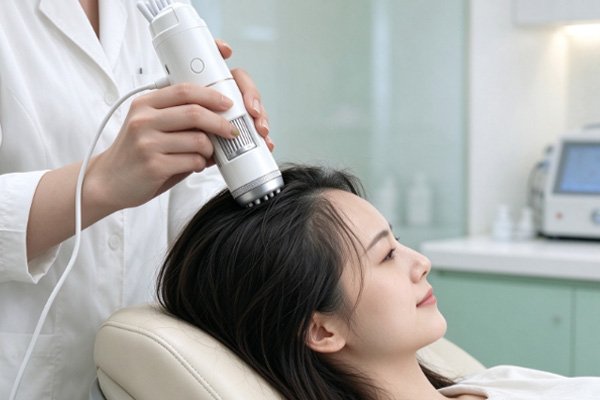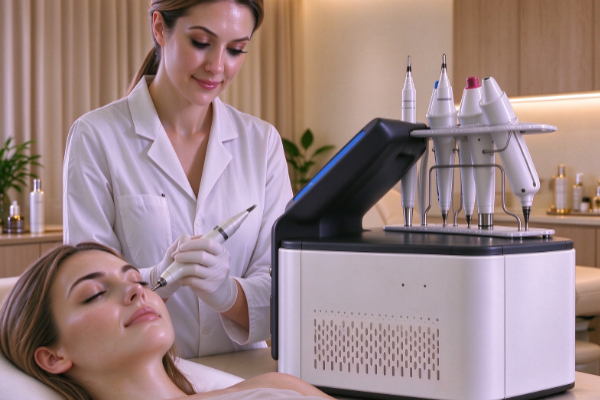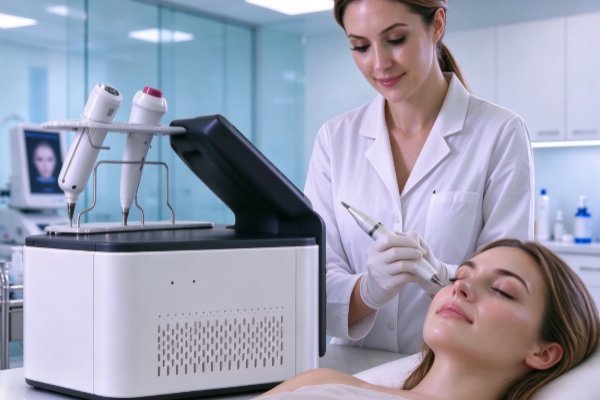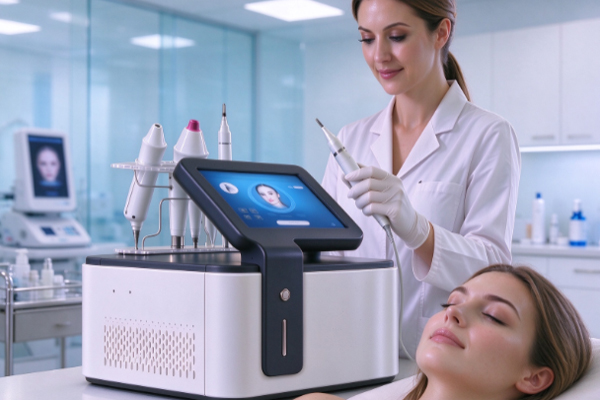
A hair analyzer is a beauty diagnostic device used to observe scalp conditions, hair follicle distribution, hair strand thickness, and surface characteristics of the scalp. It is commonly used in beauty salons, scalp care centers, hair salons, and professional beauty institutions. In daily care services, a hair analyzer can often be used alongside scalp cleansing devices, steam treatment devices, scalp massagers, and other beauty equipment. It provides a reference for observing scalp conditions before treatment, planning procedures during treatment, and comparing images after treatment. The hair analyzer is primarily responsible for image capture and visual observation, cleansing devices remove dirt from the scalp surface, massage devices provide physical scalp care, and other functional beauty devices should be selected according to their design and instructions for use.
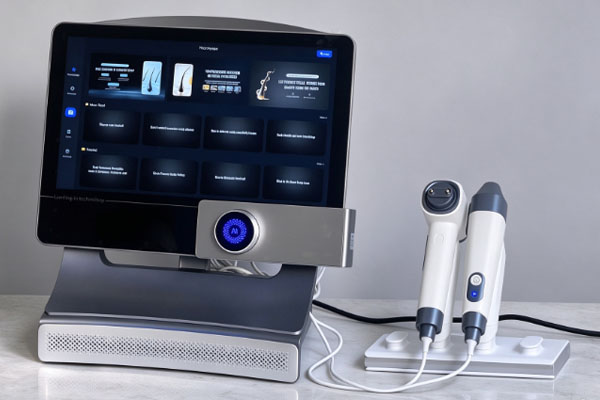
Devices should not be combined simply because they can be connected or operated at the same time. Their operating principles, usage sequence, cleaning requirements, and safety limitations must also be considered. When purchasing a hair analyzer, it is also important to understand its software compatibility, image storage functions, operating methods, and compatible accessories to determine whether it fits existing service workflows. With standardized equipment combinations, care professionals can record visible changes in scalp appearance more clearly, providing a reference for customer communication, treatment plan explanations, and subsequent service records.
How to Combine a Hair Analyzer with Common Beauty Equipment
A hair analyzer does not usually perform cleansing, massage, or other care procedures directly. Instead, it is used to observe the visible condition of the scalp and hair. When combining equipment, priority should be given to complementary functions so that examination results can guide subsequent care while preventing different devices from interfering with one another during operation.
Combine It with a Scalp Cleansing Device
Scalp cleansing devices are commonly used for scalp surface cleansing and routine care. A hair analyzer can be used before cleansing to observe surface oil, flakes, and hair distribution. After cleansing, the scalp can be examined again to observe visible changes, provided the conditions are suitable for the device.
Pre-cleansing examination: Record the basic condition of the scalp surface and identify areas that require closer observation.
Post-cleansing examination: Capture images again once there is no obvious residual moisture on the scalp and conditions are suitable for examination. This helps reduce interference from water droplets or residual skin care products.
Use It Alongside a Scalp Massager
Scalp massagers are primarily used for physical scalp massage and care. A hair analyzer can record the visible scalp condition before massage and capture images again afterward using the same observation location, lighting, and magnification whenever possible. This makes it easier to compare visible changes. A hair analyzer cannot prove from images alone that massage has promoted hair growth, nor can it replace professional scalp or medical hair examinations. The massage intensity, duration, and suitable user groups should follow the product instructions. If the scalp has broken skin, obvious redness or swelling, or other abnormal conditions, stop the relevant treatment and seek professional advice first.
Treatment Workflow
When using a hair analyzer alongside existing beauty equipment, a well-planned operating sequence is more important than simply increasing the number of devices. It is recommended to organize examination, treatment, and follow-up examination as consecutive but independent steps, with appropriate intervals based on the requirements of each device. This helps prevent cleansing solutions, steam, or other skin care products from affecting image quality.
Capture Images Before Treatment
Before starting treatment, confirm that the hair analyzer is functioning properly, the lens is clean, and the lighting and magnification settings are appropriate. Select representative scalp areas for observation and record the capture locations and device parameters. If multiple examinations are required, use the same observation locations and imaging conditions as consistently as possible. This reduces image differences caused by changes in lighting, distance, and magnification, making before-and-after records more comparable.
Arrange Equipment According to the Observations
After the examination, cleansing or other suitable care procedures can be selected based on the visible scalp condition and the customer’s needs. For example, if noticeable oil residue is present on the scalp surface, an appropriate cleansing procedure may be considered. If the customer wants routine relaxation care, a suitable massage treatment can be selected according to the device instructions.
Oil and flake observation: Use a cleansing device for appropriate surface cleansing. Scalp conditions should not be diagnosed solely from images.
Dry or sensitive scalp conditions: Exercise caution when selecting steam, heat therapy, or other devices that may cause stronger stimulation. Confirm the product’s intended application before use.
Post-treatment records: Capture images again under similar examination conditions, record visible changes, and explain to the customer what the images can show and their limitations.
Important Considerations When Combining Equipment
Different beauty devices operate in different ways. A hair analyzer may use an optical lens, LED lighting, a USB connection, or wireless transmission, while cleansing devices, steam devices, and massagers may involve liquids, heat, or mechanical vibration. When using these devices together, electrical safety, hygiene management, and operating sequences should be incorporated into routine procedures. Product instructions and restrictions must not be overlooked simply to improve efficiency.
Consider Equipment Compatibility and the Operating Environment
A hair analyzer cannot necessarily connect directly to every beauty device. If examination images need to be transferred to a computer, tablet, or customer management software, confirm in advance that the interface, operating system, software version, and data storage functions are compatible. If different devices need to operate independently, they can be used in separate steps rather than forcing a hardware connection. During operation, prevent liquids from entering the lens, ports, or inside the main unit. For treatments involving steam or cleansing solutions, schedule examinations according to the device instructions and capture images in a suitable environment. Probes and accessories that come into contact with different customers must be cleaned, disinfected, or replaced according to the manufacturer’s requirements.
Maintain Consistent Examination Records
If a beauty institution wants to use a hair analyzer to record changes before and after treatment, image capture conditions should be kept as consistent as possible. When the shooting distance, lens focus, lighting brightness, magnification, or scalp position changes significantly, differences in the images do not necessarily indicate actual changes in scalp conditions. Therefore, it is recommended to maintain simple operating records that include the examination date, observation location, equipment used for treatment, and relevant parameters. For hair analyzers with image storage functions, examination records can also be saved after obtaining the customer’s consent. Personal information should be protected, and scalp images must not be shared without authorization.
Frequently Asked Questions
Q1: Can a Hair Analyzer Be Used with All Beauty Devices?
No. Compatibility depends on the intended use, operating principles, and manufacturer’s requirements for each device. A hair analyzer can be used alongside certain scalp cleansing devices and massagers, but this does not mean it can connect directly to or operate simultaneously with every device. A step-by-step operating approach should be prioritized, with confirmation that there are no safety issues or operational conflicts between the devices.
Q2: Should the Hair Analyzer Be Used Before or After Scalp Care?
It is generally recommended to perform an initial examination before treatment and then arrange care according to the observations. This preserves image records from before treatment and reduces interference from cleansing products, moisture, or massage procedures. After treatment, if a follow-up examination is needed, examine the scalp again when its condition and the device operating conditions are suitable.
Q3: Can a Hair Analyzer Determine the Effectiveness of Beauty Treatments?
A hair analyzer can help observe visible features such as the scalp surface, hair strands, and follicular openings, and compare images captured at different times. However, it cannot independently prove follicular function, hair growth rate, or the medical effectiveness of a particular treatment. Treatment outcomes should be evaluated according to actual needs, standardized records, and any necessary professional examinations. Conclusions should not be drawn solely from localized images.
Using a hair analyzer alongside existing beauty equipment should be based on examination needs and device functions. The hair analyzer captures images of the scalp and hair, scalp cleansing devices support routine cleansing, massagers can be used for suitable physical massage procedures, and other beauty devices should be selected carefully according to product instructions and customer conditions. Properly arranging pre-treatment examinations, equipment operation, and post-treatment reviews helps standardize service workflows and provides visual records for customer communication.
For beauty salons, scalp care centers, and beauty equipment purchasers, selecting a hair analyzer requires consideration not only of image quality but also of ease of operation, software compatibility, cleaning requirements, and after-sales support. If existing equipment already meets basic cleansing and massage needs, evaluate whether a hair analyzer can add examination and recordkeeping functions before deciding whether additional devices are necessary. By clearly defining the role of each device, standardizing operating procedures, and maintaining consistent examination conditions, businesses can make more effective use of their existing beauty equipment while avoiding inaccurate interpretations of image results.