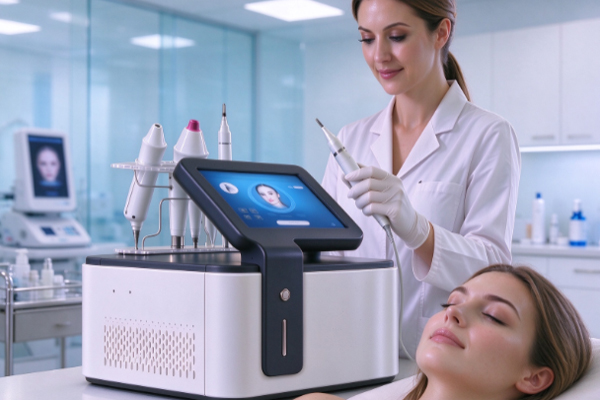
A Plasma Pen beauty device is a type of aesthetic equipment that uses plasma discharge technology to produce localized effects. These devices are commonly found in the professional beauty equipment market. Different products may vary in discharge methods, energy control, handpiece design, and intended applications, so their functions must be evaluated according to the technical documentation for each model. For beauty clinics, equipment buyers, and distributors, understanding the common functions of Plasma Pen devices helps with product evaluation, service planning, and equipment selection. It is important to note that advertised functions may not apply to every model. Actual intended use should be determined by manufacturer instructions, supporting evidence, and local regulations rather than the product name alone.
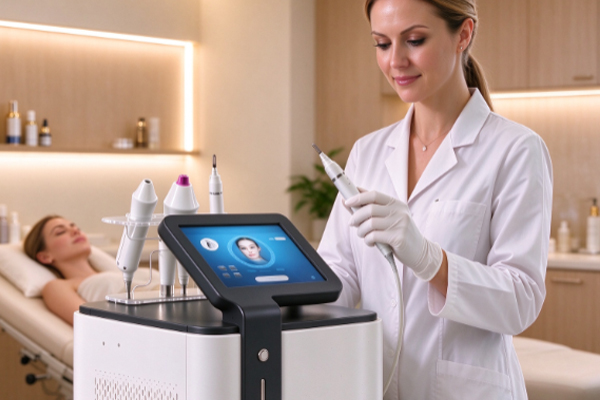
Plasma Pen Beauty Devices Feature Localized Plasma Discharge
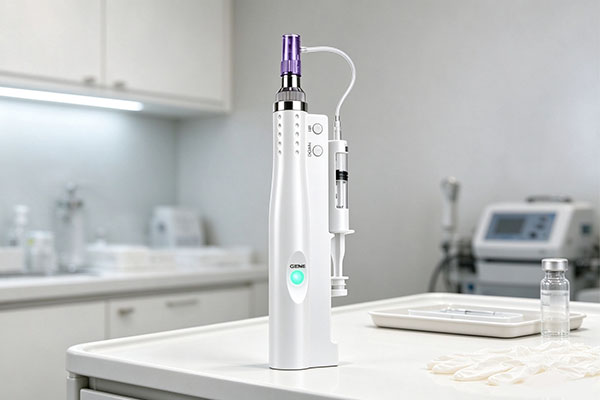
Localized plasma discharge is one of the defining technical characteristics of a Plasma Pen beauty device. The device uses a specific electrical output method to generate localized discharge at the tip of the handpiece, producing an effect on the targeted area. Depending on the product design, discharge conditions, output controls, and operating distance may vary. Skin responses can also be affected by exposure time, operating parameters, and individual skin conditions. Some devices may leave visible pinpoint marks or scabs in treated areas, so not every Plasma Pen should be classified as a daily skincare device without a risk of skin injury. Buyers should review the user manual to understand the discharge mechanism, output parameters, operating limitations, and safety warnings, and confirm whether the documented functions meet their intended service requirements.
What Skin Appearance Functions Are Commonly Associated with Plasma Pen Beauty Devices?
Plasma Pen beauty devices are frequently marketed for localized skin appearance improvement, fine-line care, and skin-tightening procedures. However, their actual functions depend on the device model, the manufacturer’s stated intended use, and regulatory requirements in the target market. Marketing claims should not automatically be regarded as proven results. Before purchasing equipment, buyers should confirm whether the product documentation explicitly supports the intended applications and understand the possible skin reactions associated with use. Commonly advertised applications include:
- Localized skin appearance improvement: Some devices are marketed for cosmetic procedures targeting specific areas of the skin. Permitted treatment areas should be confirmed in the product instructions.
- Fine-line appearance care: Certain models are promoted for fine-line-related procedures, but they cannot guarantee wrinkle removal or identical results for every individual.
- Skin-tightening procedures: Some products are associated with localized skin-tightening treatments, but their actual effects and permitted applications must be assessed using device documentation and reliable evidence.
- Localized cosmetic procedures: The pen-shaped handpiece may facilitate localized operation, but the areas in which it can be used remain subject to product design, professional protocols, and safety requirements.
When planning services, beauty clinics should match the device’s documented intended use to client needs and avoid exaggerated claims or procedures that are not supported by the manufacturer’s instructions.
What Energy Control and Operating Adjustment Functions Do Plasma Pen Devices Offer?
Energy output and operating controls influence how a Plasma Pen beauty device is used. Different models may feature different control interfaces, parameter settings, and output adjustment methods. Some products may also provide status displays or abnormal-operation alerts. Buyers should verify whether the device clearly displays key parameters, whether operators can configure it according to the instructions, and whether appropriate electrical safety protections are provided. Multiple output levels or a digital display do not automatically mean that a device is safer or more effective. For equipment involving localized discharge, understanding output settings, operating distance, and usage limitations is particularly important. All parameter adjustments should follow the manufacturer’s instructions. Before purchasing, buyers can request a demonstration of standard operating procedures and confirm that the technical documentation matches the actual product.
What Safety Management and Maintenance Functions Do Plasma Pen Devices Have?
Safe operation of a Plasma Pen depends not only on the equipment itself but also on operator training, routine inspections, and maintenance procedures. Different products may offer different protective designs, such as power controls, operating status indicators, or specific abnormal-operation protection mechanisms. The actual features must be verified through product documentation. Because these devices involve localized discharge and thermal effects, improper operation may cause burns, infection, pigmentation changes, or scarring. Beauty clinics should follow the manufacturer’s instructions and establish appropriate cleaning, inspection, and maintenance procedures. Buyers should review the following items:
- Operating status indicators: Check whether the device provides power, operating status, or fault indicators, and confirm what each indicator means.
- Electrical safety design: Verify power specifications, connection components, and manufacturer-provided safety documentation to ensure compliance with applicable requirements.
- Cleaning and maintenance instructions: Review the recommended cleaning, storage, and maintenance methods for the handpiece and related accessories. Avoid procedures that have not been approved by the manufacturer.
- Operating risk warnings: Confirm that the user manual clearly identifies contraindications, usage limitations, potential adverse reactions, and necessary protective measures.
A comprehensive safety management process can help reduce preventable risks during equipment use. However, protective features cannot eliminate every operational risk or replace necessary professional training.
How Can Buyers Determine Whether a Plasma Pen’s Functions Meet Their Needs?
When purchasing a Plasma Pen beauty device, buyers should evaluate its functions according to planned services, target markets, operator capabilities, and budget rather than simply comparing the number of features or promotional claims. Different models may vary in technical configuration, accessory availability, maintenance requirements, and after-sales support. Buyers should request official technical specification sheets, user manuals, quality documentation, and after-sales policies. They should also verify whether applicable registrations, certifications, or conformity documents cover the specific model and destination market. If the device is intended for medical use or is subject to local regulation, buyers must confirm its permitted applications and operating requirements. Evaluating device functions alongside quality documentation, compliance requirements, and long-term maintenance costs helps buyers select equipment that meets their actual business needs.
Common technical characteristics of Plasma Pen beauty devices include localized plasma discharge, specific output control methods, and operating and maintenance features determined by the product design. Applications such as skin appearance improvement, fine-line care, or skin-tightening procedures must be assessed according to the intended use documented for the specific model and reliable supporting information. For beauty equipment buyers, understanding the actual meaning of each function, its permitted applications, and its safety limitations enables more informed product comparisons and supports a standardized purchasing and operating process.