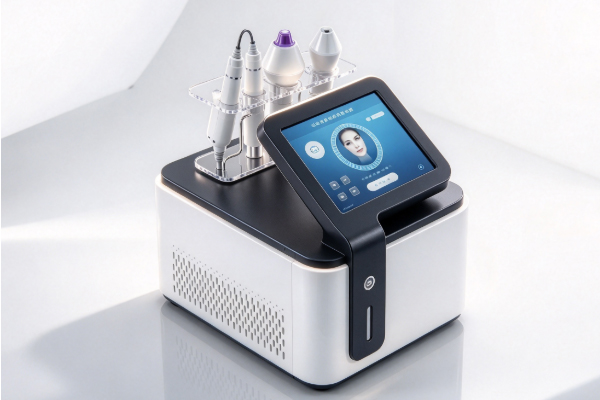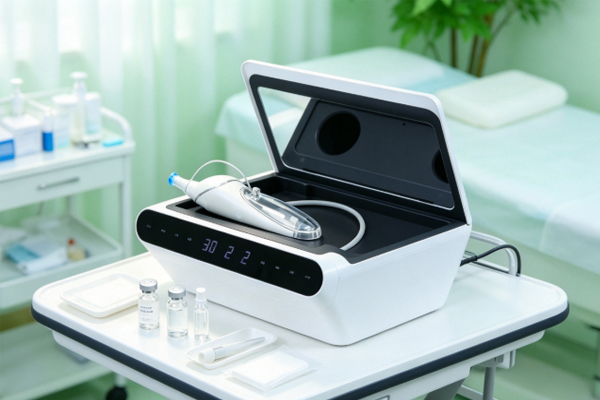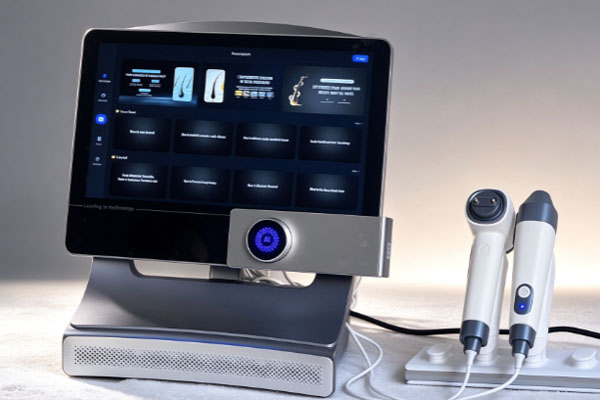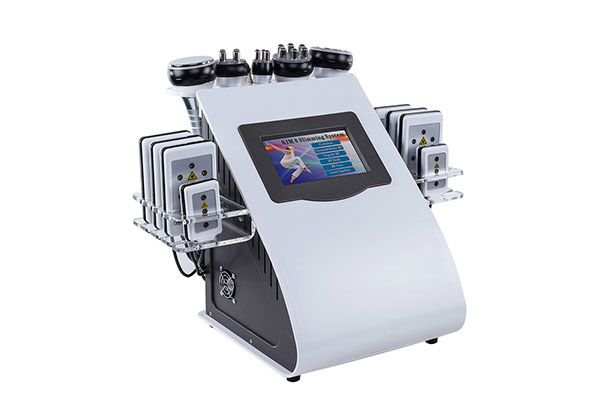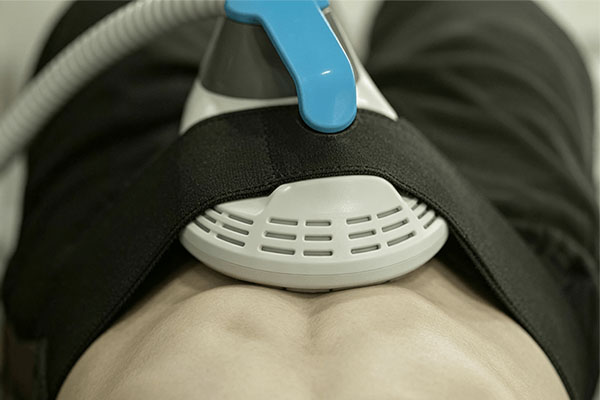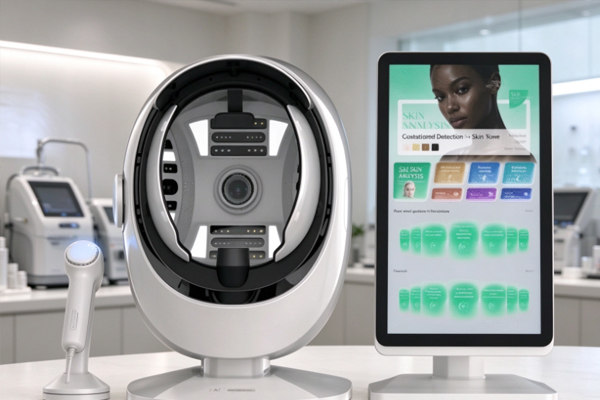
A Plasma Pen is a beauty device that uses plasma discharge technology to produce localized effects. It is commonly associated with cosmetic procedures involving skin tightening, fine-line care, and improvements in skin appearance. Different models vary in energy output, operating methods, and intended applications, so not every device is suitable for the same cosmetic procedures. Beauty clinics and equipment buyers should understand the device’s intended use, technical specifications, safety requirements, and after-sales support before deciding whether it meets their needs. Purchasing and treatment decisions should be based on reliable product documentation rather than promotional claims alone.
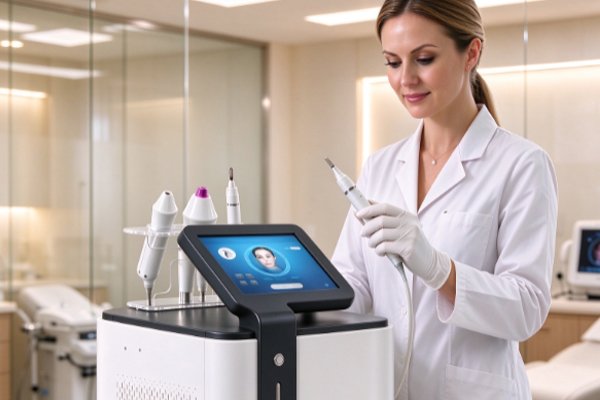
Which Skin-Tightening Treatments May Be Suitable for Plasma Pens?
Some Plasma Pen devices are marketed for cosmetic procedures related to skin tightening. Their localized thermal effects may trigger tissue responses, but actual outcomes depend on the device design, operating parameters, and individual skin conditions. Beauty clinics should verify that the manufacturer explicitly supports the intended application and clearly defines the device’s operating limitations and potential risks. Commonly promoted applications include:
- Localized skin tightening: Some devices are marketed to improve the appearance of localized skin laxity. Actual suitability should be determined by manufacturer documentation and applicable local regulations.
- Facial appearance treatments: Certain products are promoted for cosmetic procedures on specific facial areas, but the treatment location must comply with the device instructions and professional operating requirements.
- Localized skin appearance improvement: Some devices may be used for selected cosmetic skin procedures, but results cannot be guaranteed, and promotional claims should not be treated as established clinical evidence.
Plasma Pen procedures may cause redness, scabbing, pigmentation changes, or scarring, so these devices should not be regarded as routine skincare tools with no recovery period. When considering these treatments, clinics should prioritize operator training, permitted applications, and appropriate aftercare.
Are Plasma Pens Suitable for Fine-Line and Wrinkle Treatments?
Plasma Pens are often associated with cosmetic procedures intended to improve the appearance of fine lines and wrinkles. However, the permitted applications vary between models, and not every device is suitable for every facial area. Wrinkles can be influenced by age, sun exposure, skin dryness, facial movements, and other individual factors. Localized effects produced by a device cannot address every underlying cause. Beauty clinics should review product instructions and technical documentation to verify whether a device is appropriate for the planned procedure. Clients should also be informed about possible skin reactions, recovery time, and associated risks. Sensitive areas, particularly around the eyes, require extra caution. Use in these areas should only be considered when explicitly permitted by the device instructions, local regulations, and professional operating protocols.
Are Plasma Pens Suitable for Enlarged Pores and Uneven Skin Texture?
Enlarged pores and uneven skin texture may be associated with sebum production, skin elasticity, sun exposure, and changes left by acne. The localized thermal effects of a Plasma Pen may cause surface skin reactions, but its suitability for improving pores or skin texture must be assessed according to the specific model’s intended use and reliable supporting information. Buyers should not assume that a device can shrink pores or repair scars simply because these benefits appear in marketing materials. Beauty clinics should select appropriate services according to each client’s skin condition. Particular caution is necessary for people with sensitive skin or a tendency toward pigmentation changes, as localized thermal effects may increase the risk of adverse reactions.
Are Plasma Pens Suitable for Eye-Area and Localized Skin Treatments?
The skin around the eyes is relatively thin and lies close to sensitive structures, including the eyelids and eyeballs. Using a Plasma Pen in this area may carry risks such as burns, infection, pigmentation changes, scarring, or eye injuries. Some products on the market are promoted for eye-area applications, but this does not mean that every Plasma Pen is suitable for treating the eyelids or surrounding skin. Before considering such use, clinics must verify the manufacturer’s instructions, local regulatory requirements, and operator qualifications. Devices without explicit authorization or documented support for eye-area applications should not be used for these procedures. Alternative services that comply with product instructions and safety requirements should be considered instead.
How Can Beauty Clinics Choose a Plasma Pen for Their Intended Treatments?
When purchasing a Plasma Pen, beauty clinics should evaluate the device according to their planned services, staff capabilities, and budget. Product documentation, training arrangements, and after-sales support should also be verified. Buyers should pay particular attention to the following factors:
- Intended use: Confirm the applications explicitly specified by the manufacturer and ensure that planned procedures comply with device instructions and local regulations.
- Technical documentation: Check that technical specifications, operating instructions, maintenance guidelines, and risk warnings are complete and correspond to the exact model.
- Quality and compliance: Depending on the device classification and target market, verify applicable registration, certification, or conformity documents.
- After-sales support: Ask about operator training, troubleshooting, warranty policies, and accessory availability, and clarify any additional charges in advance.
- Procurement costs: Compare equipment prices alongside accessories, maintenance, training, and shipping expenses instead of focusing solely on the initial purchase price.
When choosing a Plasma Pen, buyers should look beyond price and promotional claims and prioritize intended use, safety management, and supplier support. A structured procurement assessment helps beauty clinics determine whether a device is suitable for their planned services while reducing potential risks associated with operation and maintenance.