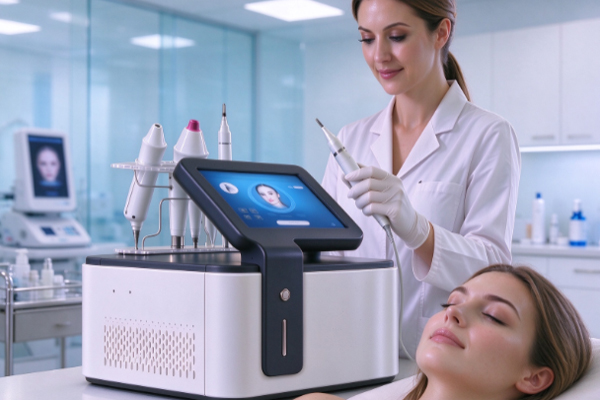
Enlarged pores are a common skin concern, often appearing around the nose, cheeks, and forehead. Common contributing factors include excessive sebum production, clogged hair follicles, reduced skin elasticity, and tissue changes left by acne. Radiofrequency (RF) microneedling is an aesthetic technology that combines microneedle penetration with radiofrequency energy. It delivers energy to specific skin depths and uses controlled thermal stimulation to support tissue repair and collagen remodeling. For medical aesthetic clinics seeking to improve the appearance of enlarged pores, RF microneedling may offer a useful treatment option. However, results depend on the underlying causes of enlarged pores, skin condition, device performance, and treatment protocols. Understanding how RF microneedling works and when it may be appropriate helps clinics evaluate potential outcomes and select professional aesthetic equipment.
Why Can RF Microneedling Improve Enlarged Pores?
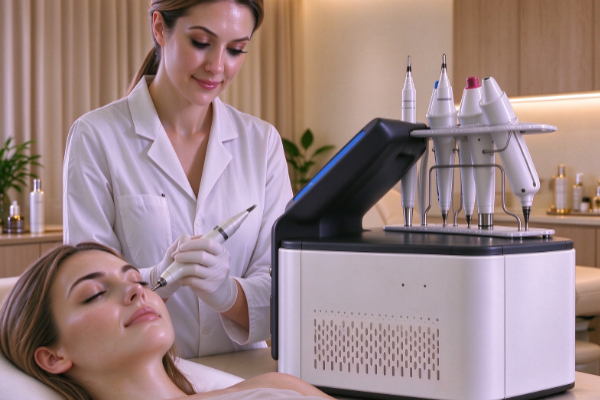
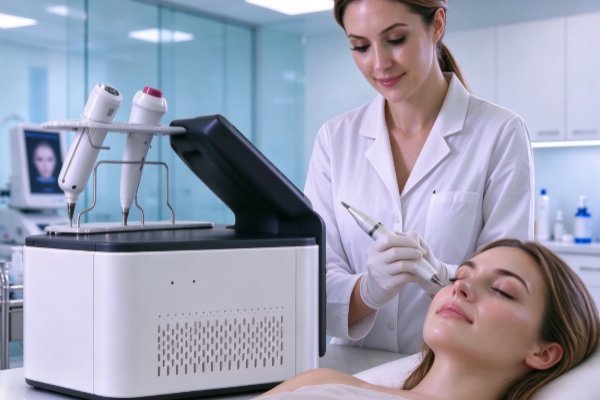
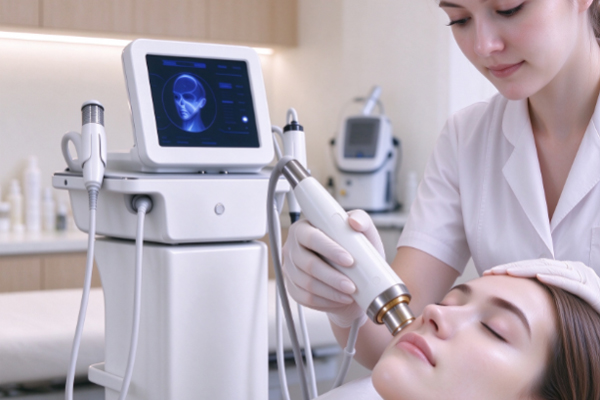
RF microneedling uses fine needles to penetrate the skin to a predetermined depth and deliver radiofrequency energy into targeted tissue. The RF energy produces a controlled thermal effect that stimulates the skin’s repair response and supports collagen remodeling in the dermis. As the skin gradually recovers, some individuals may experience improvements in skin firmness, elasticity, and surface texture, making enlarged pores less noticeable.
Pores are openings of the hair follicles and associated sebaceous glands. RF microneedling does not directly seal pores or permanently close them. Instead, it may improve the condition of the surrounding skin tissue, helping the overall complexion appear smoother. For people with mild skin laxity, uneven surface texture, or shallow atrophic acne scars, RF microneedling may be considered as part of a professional skin improvement plan following an appropriate assessment.
However, pore appearance is also influenced by genetics, sebum production, follicular structure, and daily skincare habits. RF microneedling cannot guarantee permanent pore reduction and should not replace every other treatment designed to manage enlarged pores.
Which Types of Enlarged Pores May Benefit from RF Microneedling?
RF microneedling does not produce the same results for every type of enlarged pore. Suitability should be evaluated according to the underlying cause, skin elasticity, the presence of acne scars, and whether the skin is currently stable.
- Enlarged pores associated with skin laxity: As people age or experience prolonged ultraviolet exposure, changes in collagen structure may reduce the support surrounding the pores. RF microneedling may help improve some concerns related to skin firmness and texture, potentially making pores less prominent.
- Enlarged pores accompanied by rough skin texture: When the skin surface on the cheeks or forehead is uneven, pore edges may appear more noticeable. RF microneedling may help improve certain textural irregularities, although appropriate cleansing, moisturization, and sun protection remain important.
- Visible pores and shallow depressions after acne: Acne inflammation can damage skin tissue, leaving rough texture, prominent pores, or shallow depressions after healing. RF microneedling may help improve certain superficial atrophic scars and uneven skin texture. Deeper acne scars require a more detailed professional assessment.
- Enlarged pores accompanied by mild fine lines: For individuals who also have mild fine lines and reduced skin elasticity, RF microneedling may help improve certain textural changes. Suitability should be determined according to the individual’s skin condition and the device’s instructions.
If enlarged pores are primarily caused by excessive sebum production, accumulated dead skin cells, or active acne, these underlying concerns should be evaluated and managed appropriately. RF microneedling cannot directly resolve every issue related to oil production or clogged follicles. The skin should be assessed before treatment to determine whether the procedure is appropriate.
How Many RF Microneedling Sessions Are Needed to Improve Enlarged Pores?
Improvements in pore appearance generally require time for skin recovery and collagen remodeling. Stable results are not usually achieved immediately after a treatment session. Some individuals may gradually notice changes in skin texture and feel after recovery, but the extent and timing of improvement vary.
People with relatively mild pore enlargement and good skin elasticity may find changes easier to observe. When significant skin laxity, deep acne scars, or persistent inflammation is present, the treatment plan may be more complex. Some individuals may require multiple sessions, with the number and intervals determined by a qualified professional according to the device instructions, skin response, and recovery progress.
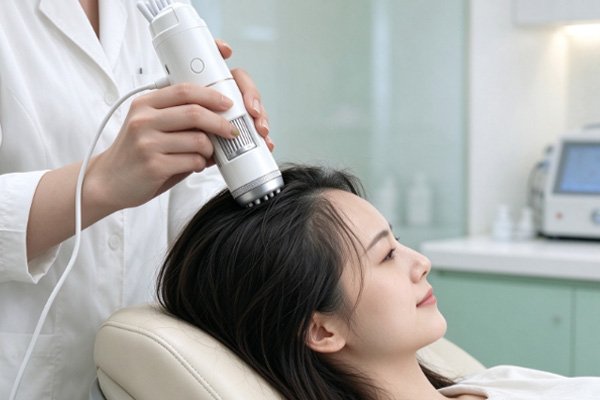
Treatment frequency should not be increased, nor should intervals be shortened, simply to achieve faster results. Before treatment, medical aesthetic clinics can establish skin records and take standardized photographs. These records allow professionals to compare pore appearance, skin texture, and other relevant changes during follow-up visits.
A realistic treatment goal is to improve overall skin quality and reduce the visual prominence of pores rather than promise that pores will disappear completely. After treatment, patients should maintain gentle cleansing, appropriate moisturization, and sun protection. Excessive exfoliation and irritating skincare products should be avoided during recovery.
What Factors Affect the Results of RF Microneedling for Enlarged Pores?
The results of RF microneedling depend on the skin’s baseline condition, device technology, operating procedures, and daily skincare habits. A thorough assessment before treatment helps determine whether the device is suitable and reduces unnecessary risks.
- Underlying causes of enlarged pores: Excessive sebum production, reduced skin elasticity, clogged follicles, and tissue changes after acne may occur together. Identifying the main contributing factors helps professionals select a more appropriate treatment plan.
- Needle depth and energy settings: Skin thickness, sensitivity, and treatment goals vary across different areas. Parameters should be selected according to the device instructions and professional assessment rather than simply choosing deeper penetration or higher energy levels.
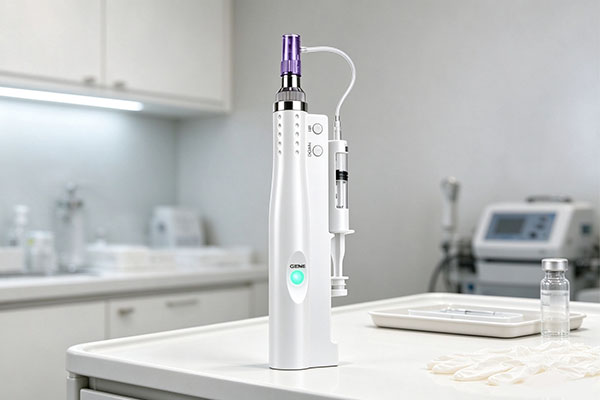
- Device performance and output stability: RF output control, needle design, depth adjustment accuracy, and safety features all affect treatment precision. Choosing equipment with complete technical documentation that complies with local regulatory requirements supports standardized treatment procedures.
- Operator expertise: Operators need to understand skin anatomy, device operation, contraindications, and procedures for managing adverse reactions. They should complete the required training and follow established operating protocols.
- Daily skincare and skin recovery: Insufficient sun protection, excessive cleansing, and frequent use of irritating skincare products may affect skin condition. Appropriate basic skincare helps maintain skin health but does not replace targeted treatment when needed.
Individuals with active infections, significant inflammation, a compromised skin barrier, or other contraindications should undergo professional assessment before RF microneedling is considered. Temporary redness, swelling, discomfort, crusting, or pigmentation changes may occur after treatment. Improper operation can increase the risk of infection, burns, and abnormal scarring. If redness or swelling progressively worsens, or if significant pain, discharge, or other unusual reactions develop, prompt medical attention is recommended.
How Can Clinics Choose RF Microneedling Equipment for Enlarged Pores?
Medical aesthetic clinics planning to offer treatments for enlarged pores should consider clinical needs, the device’s intended use, operating safety, consumable supplies, and long-term operating costs. Purchasing teams should carefully review the following criteria:
- Regulatory compliance: Confirm that the device has the registration, filing, or other regulatory documentation required in the intended sales and treatment markets. Verify the manufacturer’s stated indications and intended applications.
- RF energy and depth adjustment: Determine whether the device offers clear parameter displays, appropriate needle depth adjustment, and stable energy control. Confirm that all operating procedures comply with the product instructions.
- Needle design and consumable management: Check needle specifications, sterile packaging, single-use requirements, and consumable availability. Establish standardized procedures for storage, use, and replacement.
- Safety features and professional training: Review the device’s safety mechanisms, operator training, routine maintenance requirements, and troubleshooting support. Ensure that operators have the necessary professional knowledge and skills.
- After-sales service and operating costs: In addition to the purchase price, consider needle and consumable expenses, warranty terms, repair response times, and long-term maintenance costs to evaluate the equipment’s overall operating value.
RF microneedling uses controlled thermal stimulation to support skin repair and collagen remodeling. It may help improve the appearance of certain enlarged pores associated with reduced skin elasticity, rough texture, and superficial acne scars. However, it does not directly seal pores, and consistent results cannot be guaranteed for every individual. Medical aesthetic clinics should develop treatment plans according to the underlying skin concerns, the device’s intended use, and the operator’s professional capabilities. Equipment purchasing decisions should also prioritize regulatory compliance, parameter control, consumable quality, staff training, and after-sales support. Selecting suitable equipment and following standardized operating procedures can help clinics meet professional skin treatment needs more effectively.