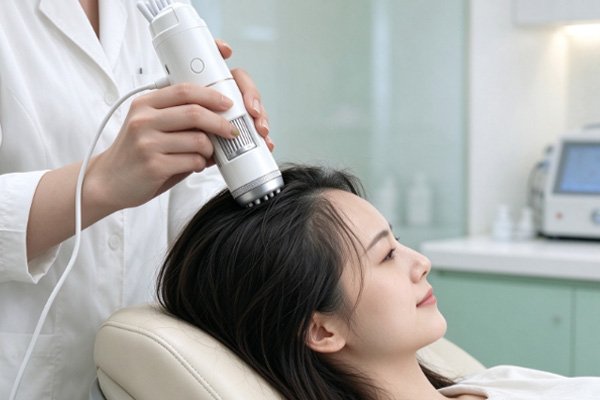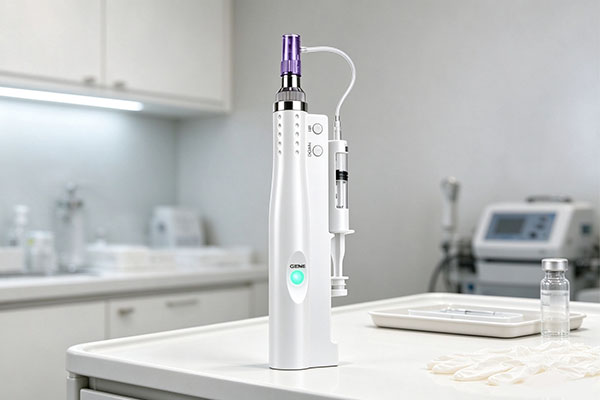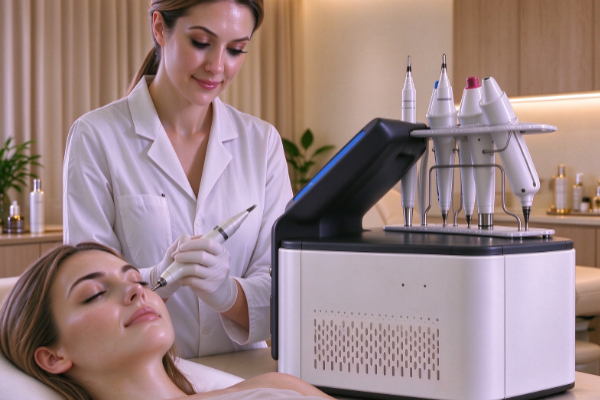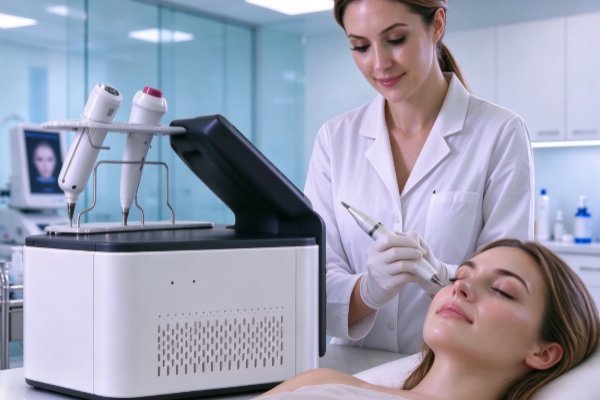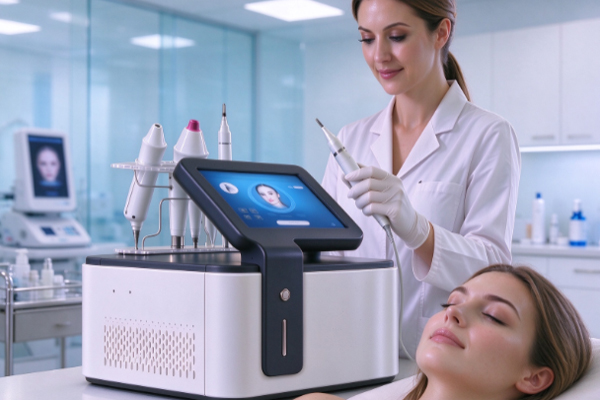
Acne scars are depressed skin marks that remain after inflammatory acne lesions have healed. They commonly appear on the cheeks, forehead, and temples. Inflammation can damage the dermal tissue, while collagen loss, fibrous tissue tethering, or localized structural defects during the healing process may lead to depressions of varying depths and shapes. Radiofrequency (RF) microneedling is an aesthetic technology that combines microneedle penetration with radiofrequency energy. It delivers RF energy to predetermined skin depths, using controlled thermal stimulation to support tissue repair and collagen remodeling. For medical aesthetic clinics looking to provide acne scar treatments, understanding the working principles, equipment performance, and intended applications of RF microneedling helps with treatment planning and equipment purchasing decisions. However, acne scars differ in their causes and severity. Treatment outcomes vary from person to person, and complete removal of depressed scars cannot be guaranteed.
How Does RF Microneedling Work on Acne Scarred Skin?
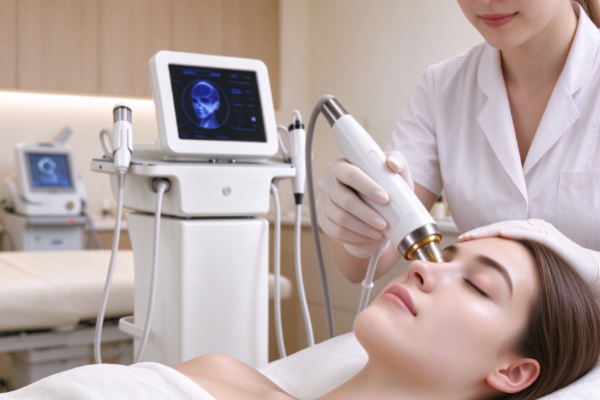
The core operating principle of RF microneedling is the combination of microneedle penetration and radiofrequency energy delivery. The device uses needles to reach a selected skin depth and deliver RF energy to the target tissue, generating a controlled thermal effect. The microchannels created by the needles, together with the thermal stimulation produced by RF energy, can activate the skin’s repair response and promote collagen remodeling and structural changes in the tissue. As the skin recovers, the edges, depth transitions, and overall texture of some atrophic acne scars may gradually improve. Compared with skincare methods that act mainly on the skin surface, RF microneedling can deliver energy to deeper tissue layers, although the actual treatment depth depends on the device design, needle configuration, and parameter settings. Operators should select appropriate treatment parameters according to scar morphology, skin thickness, and the manufacturer’s instructions. Increasing energy levels or needle depth without proper assessment should not be used as a shortcut to achieving better results.
The Main Mechanisms Behind RF Microneedling for Acne Scars
Acne scars develop partly because of damage to the dermal tissue, changes in collagen structure, and abnormal healing processes. RF microneedling primarily supports the skin’s repair and remodeling processes through controlled tissue stimulation. It does not directly fill or instantly flatten depressed scars. Its mechanisms can be understood through the following processes:
- Activating the skin’s repair response: When microneedles penetrate the targeted skin layer, they create controlled micro-injuries that initiate the body’s natural healing response. The degree of local reaction depends on needle depth, energy settings, and individual skin condition.
- Promoting collagen remodeling: The thermal stimulation generated by RF energy may affect the structure of collagen fibers in the dermis and support subsequent collagen remodeling. As the tissue gradually recovers, some depressed acne scars may become less noticeable, while skin texture and feel may also improve.
- Improving skin surface smoothness: As local collagen structures and tissue support change, the transitions around some superficial acne scars may become smoother. However, deep structural defects and significant fibrous tethering are generally more difficult to improve adequately with a single treatment modality.
- Supporting dermal tissue reconstruction: By delivering energy to targeted tissue, RF microneedling stimulates a localized repair response. The final outcome depends on the skin’s healing capacity, scar structure, and suitability of the treatment plan.
It is important to understand that collagen remodeling is a gradual biological process and is not completed immediately after treatment. The speed and degree of improvement vary between individuals. Before treatment, trained professionals should assess the type of acne scars and explain the likely extent of improvement and potential risks.
How Does RF Microneedling Perform on Different Types of Acne Scars?
Acne scars are commonly classified as rolling scars, boxcar scars, and ice pick scars. These types differ in shape, depth, and underlying tissue structure, which means their responses to RF microneedling may also vary. Rolling scars create wave-like depressions with relatively gentle edges. Some cases involve fibrous bands beneath the skin that pull the surface downward. RF microneedling may help improve skin texture, but significant tethering may require a physician to assess whether subcision or another complementary treatment is appropriate. Boxcar scars have relatively distinct edges and flatter bases. Shallow to moderately deep boxcar scars may be suitable for RF microneedling following professional assessment, while deeper scars may require a combination approach. Ice pick scars have narrow openings and extend into deeper skin layers. RF microneedling alone may not adequately address their depth, and a physician may consider other targeted treatments based on the individual case. For mixed acne scars, each scar type should be assessed according to its structure and depth, followed by an individualized treatment plan rather than applying identical settings to every area. Active acne, infection, or significant skin inflammation generally requires appropriate management before RF microneedling can be considered.
What Factors Affect the Results of RF Microneedling for Acne Scars?
The degree of improvement achieved with RF microneedling depends not only on the device itself but also on scar morphology, skin condition, parameter selection, and post-treatment care. When developing a treatment plan, medical aesthetic providers should evaluate the following factors:
- Scar depth and tissue structure: Superficial depressions may be easier to improve in appearance than deep, narrow scars. Significant subcutaneous tethering, deep tissue defects, or mixed scar types may require combination treatments.
- Device energy control: RF output stability, needle design, depth adjustment, and parameter displays all affect treatment control. The device should provide clear operating instructions, and trained professionals should select settings according to its intended use and the patient’s skin condition.
- Treatment planning and recovery time: Collagen remodeling takes time, and some patients may require multiple treatment sessions. The number and spacing of sessions should be determined by professional assessment and skin recovery rather than by simply increasing treatment frequency or energy levels.
- Individual skin differences: Skin thickness, scar duration, previous treatments, healing capacity, and susceptibility to pigmentation changes can all influence treatment responses.
- Post-treatment care and sun protection: Patients should follow professional aftercare instructions, keep the skin clean, maintain appropriate moisturization, and use sun protection. They should avoid using irritating products without guidance or combining intensive procedures during the recovery period.
Proper technique and realistic expectations are equally important. RF microneedling may cause temporary redness, swelling, discomfort, crusting, or pigmentation changes. Improper treatment can increase the risk of burns, infection, and abnormal scarring. If redness or swelling progressively worsens, or if significant pain, discharge, or other unusual symptoms occur after treatment, prompt medical evaluation is recommended.
How Can Medical Aesthetic Clinics Choose RF Microneedling Equipment for Acne Scar Improvement?
Medical aesthetic clinics planning to offer acne scar treatments should consider clinical needs, regulatory compliance, operating safety, and long-term ownership costs when selecting RF microneedling equipment. Before purchasing a device, clinics should carefully evaluate the following criteria:
- Regulatory documentation and intended use: Verify the registration, filing, or other regulatory documentation required in the intended sales and treatment markets. Confirm that the manufacturer’s stated indications match the procedures the clinic plans to provide.
- Needle depth and RF parameter settings: Determine whether needle depth is adjustable, whether RF energy can be controlled accurately, whether parameter displays are clear, and whether comprehensive operating instructions are available.
- Needle and consumable quality: Check needle specifications, sterile packaging, single-use requirements, and the stability of consumable supplies. Establish appropriate storage, handling, usage, and replacement procedures.
- Operator training and safety features: Review the device’s safety mechanisms, training arrangements, maintenance requirements, and troubleshooting procedures. Ensure that operators have the necessary qualifications and training.
- After-sales service and operating costs: Compare the purchase price, consumable expenses, warranty terms, repair response times, and long-term maintenance costs rather than making decisions based only on the initial quotation.
The principle behind RF microneedling for acne scar improvement is to deliver radiofrequency energy into targeted skin layers through microneedles. Controlled thermal stimulation activates tissue repair and supports collagen remodeling, potentially improving the appearance of certain atrophic acne scars. It is not a technique that instantly fills depressed scars, and it cannot guarantee the same results for every scar type. Medical aesthetic providers should develop treatment plans based on scar characteristics, skin condition, and the device’s intended use. Equipment purchasing decisions should also consider regulatory compliance, parameter control, consumable quality, professional training, and after-sales support to ensure safe and appropriate use.