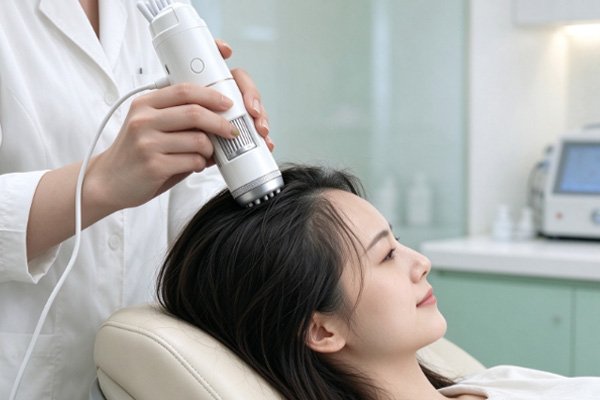
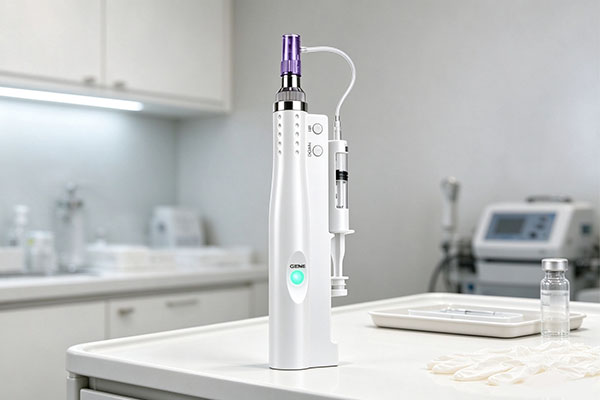
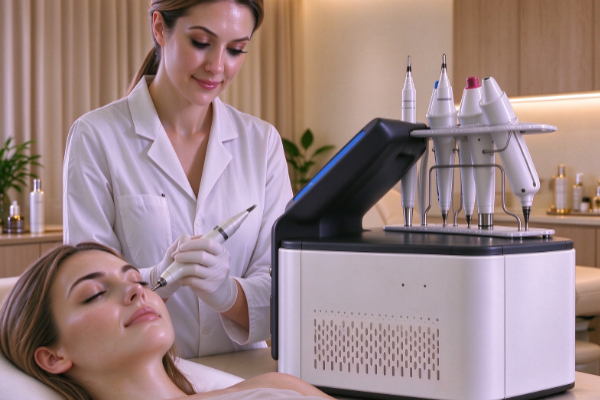
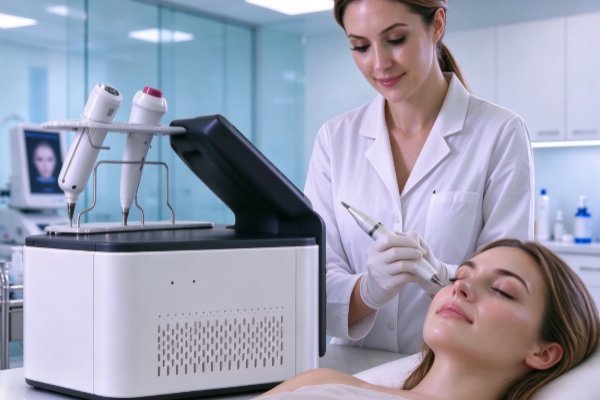
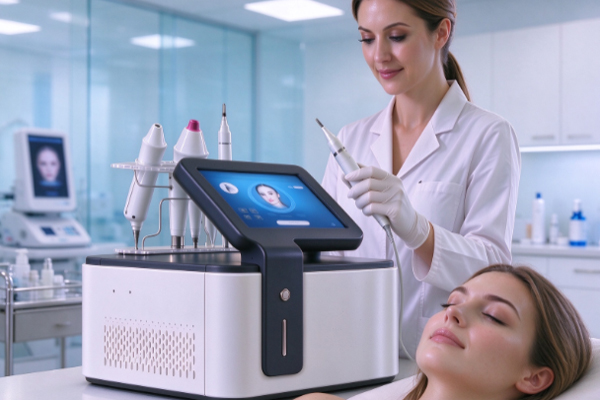
As the medical aesthetics industry continues to develop, Fibroblast Plasma beauty machines are attracting attention from professional aesthetic clinics, medical beauty equipment distributors, and equipment buyers. For businesses purchasing plasma beauty devices, product quality affects not only day-to-day operating stability but also maintenance costs, staff training, service efficiency, and long-term usability. A high-quality Fibroblast Plasma beauty machine cannot be evaluated solely by its appearance, advertised results, or price. Buyers should also examine the plasma generation system, energy control, electrode and handpiece design, product quality documentation, operating safety requirements, and after-sales support. Different brands and models may vary in technical configuration, intended use, and permitted applications. Understanding these key features helps purchasing professionals make informed comparisons and select equipment that better matches their operational needs.
High-Quality Fibroblast Plasma Beauty Machines Have a Stable Plasma Generation System
The plasma generation system is an important component of a Fibroblast Plasma beauty machine, and its design is closely related to the device’s operating performance. Different machines may use different generation structures, discharge methods, pulse controls, and output configurations. Buyers should therefore review the manufacturer’s technical documentation rather than judge performance based solely on the product name. High-quality equipment typically provides clear parameter specifications, standardized operating procedures, and defined usage limitations, helping trained operators understand how the machine works. Output performance should also be evaluated through appropriate testing, maintenance requirements, and manufacturer-provided performance data. A screen display or promotional statement alone cannot establish that a device offers greater precision. For professional aesthetic clinics that use equipment regularly, stable operation, clear fault indicators, and accessible maintenance designs can make daily equipment management easier. Buyers should also understand the requirements for continuous operation, recommended maintenance intervals, and replacement procedures for wear-prone components. This information helps reduce management costs and uncertainty caused by incomplete product documentation.
What Are the Core Hardware Features of High-Quality Fibroblast Plasma Beauty Machines?
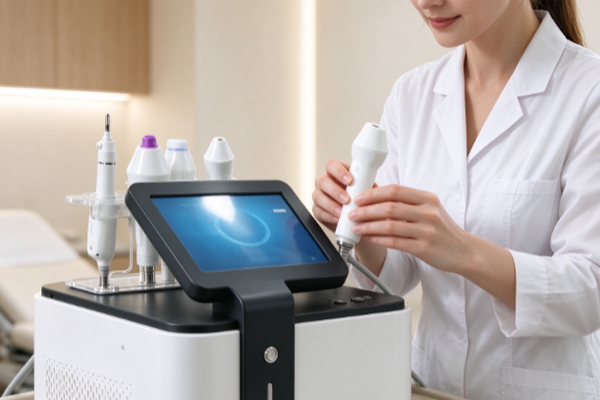
Hardware configuration can affect operating convenience, routine maintenance, and the overall user experience. Buyers should examine the handpiece, electrodes, control interface, connection structures, and accessories according to the intended application. They should also confirm that these components comply with the manufacturer’s specifications. Important features include:
- Electrode and handpiece design: The handpiece should be comfortable for trained professionals to hold and control. The electrode structure, installation method, and replacement requirements should be clearly documented. Contact or discharge components must be inspected and maintained according to the manufacturer’s instructions.
- Energy adjustment functions: The control system should provide clear parameter displays and operating guidance so users can understand the current settings and their limitations. The adjustment range should match the device’s intended use rather than focus solely on achieving higher output values.
- Control interface and operating logic: The display, buttons, and menu layout should be clear and easy to understand. Common functions should follow a logical setup process to help reduce operating errors and training difficulties.
- Connections and housing quality: Power connectors, handpiece connections, the outer housing, and other structural components should meet the manufacturer’s design requirements. Buyers can review quality inspection records and maintenance documentation when available.
- Accessories and consumables: Confirm the accessory list, consumable specifications, compatible models, and supply availability. This helps prevent equipment downtime caused by missing essential components after purchase.
Hardware quality should be assessed through product documentation, physical inspection, and the buyer’s actual requirements. A greater number of components or a more complex appearance does not automatically indicate superior equipment quality.
High-Quality Fibroblast Plasma Beauty Machines Prioritize Safety and Regulatory Compliance
The quality of medical aesthetic equipment depends on more than its features. Safety design, product labeling, manufacturer documentation, and the regulatory requirements of the sales market are also important. High-quality equipment generally comes with clear instructions for use, intended-use statements, contraindications, risk warnings, maintenance requirements, and technical support information. These materials help buyers verify whether a device is appropriate for their planned applications. Medical device and aesthetic equipment classifications, registration requirements, and sales regulations can vary between countries and regions. Buyers should verify the applicable registrations, certifications, or other compliance documents for the exact model and target market. A certificate issued in one jurisdiction should not be assumed to authorize the same uses in every other market. Equipment should also have clearly documented requirements for inspection, cleaning, disinfection, and component handling. All procedures must follow the manufacturer’s instructions. For devices that use plasma discharge or localized thermal effects, operators need appropriate training to understand parameter limits, protective measures, and potential adverse reactions. Equipment should never be used without the necessary instructions or outside its intended purpose. Marketing materials alone cannot establish that a device is suitable for sensitive areas or every type of skin concern.
How to Evaluate the Usability and Maintenance of Fibroblast Plasma Beauty Machines
Well-designed equipment generally considers operating convenience, maintenance management, and after-sales support as part of the overall product experience. For an aesthetic business, a machine should not only perform its intended function but also support staff training, routine inspection, cleaning, maintenance, and troubleshooting. Before purchasing, buyers can request a complete user manual, technical specification sheet, maintenance schedule, and troubleshooting guide. They should confirm whether the training covers device startup, parameter adjustment, routine inspections, abnormal operating conditions, and post-use maintenance. If the machine includes fault indicators or status monitoring, buyers should understand what the alerts mean and how to respond. The replacement procedures for handpieces, electrodes, and consumables should also be clear, and essential accessories should be available through reliable supply channels. After-sales support deserves equal attention, including warranty terms, technical response times, repair procedures, spare-part availability, and software update policies. Buyers can reduce future operational uncertainty by reviewing documentation, asking about service experience, and confirming support terms in the purchase agreement. A simple interface does not eliminate the need for professional training. Equipment must still be operated according to the manufacturer’s instructions and applicable professional standards.
Which Factors Should Buyers Compare When Purchasing High-Quality Fibroblast Plasma Beauty Machines?
When purchasing high-quality Fibroblast Plasma beauty machines, buyers should establish clear comparison criteria based on their business model, planned applications, budget, and long-term operational requirements. Brand recognition and price may be useful reference points, but they cannot replace verification of technical documentation and regulatory information. Key factors to compare include intended use, plasma generation system, output parameters, handpiece and electrode configuration, operating instructions, quality documentation, consumable costs, warranty terms, and technical support. Before placing an order, buyers should also confirm the exact model, accessory list, delivery contents, and scope of after-sales service. For bulk purchases or distribution businesses, it may be useful to examine product lead times, spare-part availability, technical training arrangements, and documentation update procedures. If a supplier cannot provide essential specifications, intended-use information, or applicable compliance documents, the purchasing risk should be carefully assessed. A device with more functions, a wider parameter range, or a higher price is not necessarily a higher-quality product. By checking documentation, comparing the equipment configuration against actual needs, and confirming long-term maintenance support, buyers can make more informed decisions. Selecting equipment with clear technical documentation, standardized safety instructions, a reliable service network, and a well-defined intended use can improve purchasing transparency and long-term equipment management.