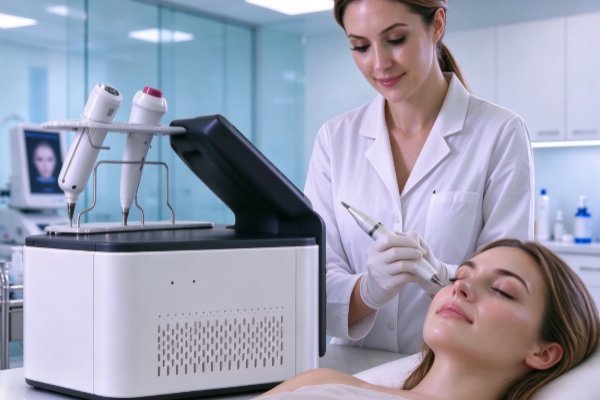
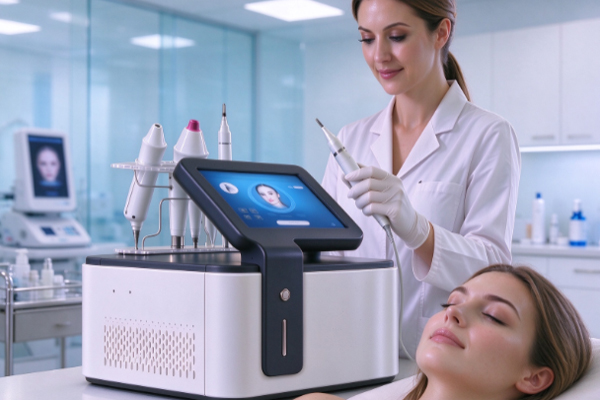
An RF microneedling machine is a professional aesthetic device that combines microneedling technology with radiofrequency (RF) energy. Its core feature is the use of needles to contact or penetrate the skin and deliver RF energy to targeted tissue according to the device’s design. The needles primarily determine the contact method, treatment depth, and energy delivery location, while RF energy produces a controlled thermal effect through electrical energy conversion. Together, these components support the device’s treatment process. For aesthetic clinics and medical aesthetic equipment buyers, understanding the specific functions of needles and RF energy helps evaluate the device’s technical features, intended applications, consumable requirements, and operating procedures. It also provides a clearer understanding of how the equipment works.
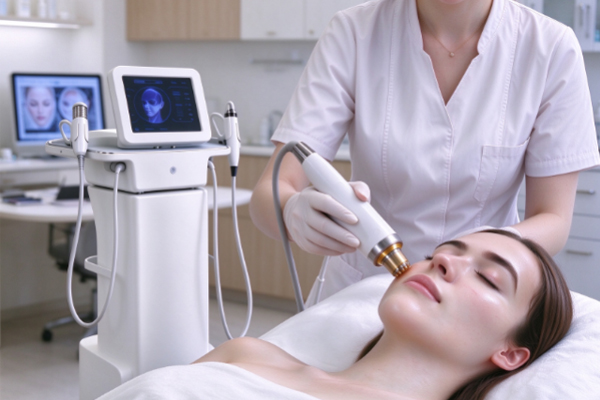
What Are the Main Functions of Needles in an RF Microneedling Machine?
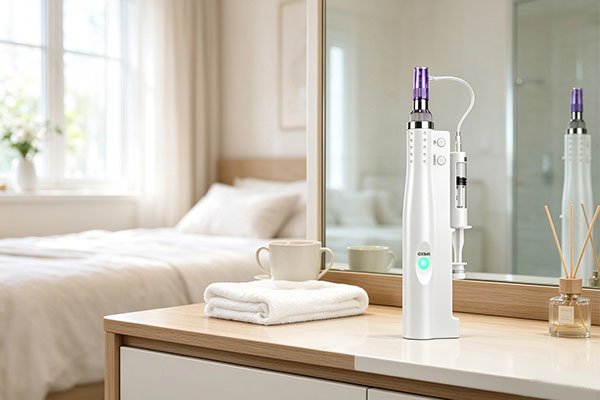
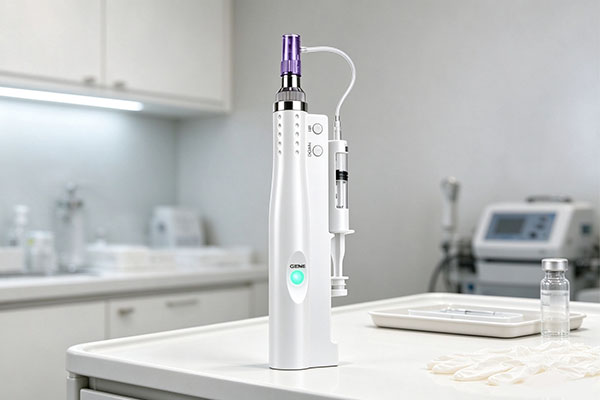
The needles in an RF microneedling machine are not merely components that contact the skin. They are also important structural elements that influence treatment depth, operational precision, and the way RF energy is delivered. Different devices may vary in needle quantity, arrangement, material, insulation design, and depth adjustment mechanism. These design differences affect how each device operates. Some systems use microneedles to penetrate the skin and deliver RF energy to a predetermined tissue area. The actual penetration depth and energy delivery capabilities must be verified against the device’s instructions and approved indications.
The main functions of the needles include the following:
- Creating treatment pathways: Depending on the device design, microneedles can penetrate the skin’s surface and reach a specified depth. Compared with RF devices that do not use needles, this approach changes the pathway through which energy is delivered.
- Controlling treatment depth: Some RF microneedling machines feature adjustable needle depth. Operators can select appropriate settings based on the treatment area, skin condition, and device specifications. Different depths affect where the energy is delivered, so settings must be selected following professional assessment.
- Supporting energy delivery: The needles and their electrode structures deliver RF energy according to the device’s design, allowing energy to reach the targeted tissue. Actual energy distribution is also influenced by electrode configuration, output settings, and tissue characteristics.
- Improving operational precision: Needle arrangement, spacing, and deployment mechanisms can affect the treatment area and consistency of application. Appropriate structural design helps trained professionals perform procedures according to established protocols.
- Determining consumable requirements: Many devices use replaceable needle cartridges. Buyers should confirm whether the cartridges are model-specific, whether they are intended for single use, and how reliably they can be supplied, as well as their replacement costs.
Needle selection is closely related to the device’s overall design. The number of needles or their external appearance alone cannot determine performance. Buyers should also examine needle materials, insulation structure, depth adjustment range, cartridge installation method, and the technical documentation provided by the manufacturer.
What Is the Role of Radiofrequency in an RF Microneedling Machine?
Radiofrequency is a key energy source in an RF microneedling machine. The device generates electrical energy at a specified frequency through an RF generation module and transfers it to the target tissue through an electrode system. Under the combined influence of tissue electrical properties and device output conditions, RF energy can produce a thermal effect. When appropriately controlled, this energy can create the intended tissue-heating effect for approved skin treatment applications. RF does not penetrate the skin through a mechanical action; instead, it interacts with tissue through electrical energy delivery. This gives RF a different function from the mechanical action of microneedles. The actual effects depend on the device type, energy settings, treatment depth, operating technique, and individual skin characteristics. RF output should not be treated as a direct measure of treatment effectiveness.
The primary functions of RF energy include the following:
- Generating a controlled thermal effect: RF energy produces heat in the target tissue. Temperature changes depend on energy settings, tissue impedance, needle structure, and exposure time. Professional operation must follow the device’s specifications to reduce the risk of excessive heating.
- Supporting skin remodeling: Under appropriate treatment conditions, the thermal effect produced by RF energy may stimulate tissue responses associated with skin remodeling. Collagen-related changes and visible results vary from person to person, and identical outcomes cannot be guaranteed.
- Working with microneedles for targeted delivery: When RF energy is delivered through needle electrodes, the device can direct energy to a particular depth according to its design. The actual treatment zone depends on electrode configuration, output mode, and needle depth settings.
- Influencing treatment parameter selection: Energy intensity, pulse duration, output mode, and needle depth are interrelated. Qualified professionals must select settings according to the device instructions and individual assessment rather than simply increasing energy levels in pursuit of more noticeable results.
The value of RF lies in delivering controlled energy, not merely in achieving higher output. The device should provide clear parameter specifications and operating instructions, and users should receive appropriate training before operation.
How Do Microneedles and Radiofrequency Work Together?
Microneedles and RF energy perform different but interconnected functions in an RF microneedling machine. The needles establish the intended mechanical contact or penetration points, while RF delivers energy according to the device’s design and generates a thermal effect. Their combined operation allows the machine to use both the mechanical action of microneedling and the energy-based action of radiofrequency. Compared with traditional microneedling devices, RF microneedling machines incorporate an RF energy module. Compared with RF aesthetic devices that do not use needles, they introduce a needle structure and corresponding depth-control mechanisms. However, needle designs, RF output modes, and approved applications vary between models, so all devices should not be assumed to operate in exactly the same way or offer identical treatment capabilities.
The interaction between needles and RF generally involves three key stages. The needles enter or contact the target area according to the selected settings. The electrode system then delivers RF energy based on the device’s structure. Finally, the controlled energy output produces a corresponding thermal effect in the tissue. Needle depth, RF intensity, and pulse duration must be configured together to avoid mismatched parameters. Operators should also monitor skin responses during treatment and follow the manufacturer’s instructions and professional protocols when adjusting the procedure. When device design, parameter settings, operating techniques, and safety management are appropriately coordinated, the treatment process and associated risks can be better controlled.
How Do Needle Design and RF Parameters Affect Device Performance?
The performance of an RF microneedling machine does not depend on a single feature, such as needle design or RF output. It is determined by the combined effects of mechanical structure, electrical energy delivery, control systems, and operating techniques. Needle design influences penetration, treatment depth, and the energy delivery pathway. RF parameters affect tissue heating, while the control system manages device operation according to the selected settings. For equipment buyers, understanding the relationship between these factors is more useful than comparing power ratings, needle counts, or promotional specifications alone.
When evaluating equipment, buyers should pay particular attention to the following features:
- Needle specifications and insulation design: Review needle quantity, material, arrangement, and whether insulated needles are used. Different designs affect energy distribution, so their intended applications should be verified through technical documentation.
- Needle depth adjustment: Confirm the supported depth range, adjustment precision, and operating method. Check whether these specifications match the intended applications.
- RF output control: Examine energy levels, pulse control, output modes, and relevant safety limits. Understand how the device helps prevent operation beyond its specified parameters.
- Control interface and operating alerts: Check whether the device clearly displays selected parameters, operating status, and fault alerts, helping operators follow the required procedures.
- Needle cartridges and after-sales support: Verify consumable availability, cartridge compatibility, usage restrictions, warranty terms, and technical training services to reduce uncertainty during long-term operation.
Equipment specifications should match the intended use. Before purchasing, request complete product instructions, technical specifications, approved indications, and maintenance requirements from the supplier. The device’s registration or regulatory compliance status should also be confirmed in accordance with the laws and regulations of the target market.
Safe Operation and Routine Maintenance of RF Microneedling Machines
Because needles and RF energy work together, safe device operation requires careful attention to infection control, parameter management, and the risk of thermal injury. Microneedles disrupt the skin barrier, and improper handling may increase the risk of infection. Inappropriate RF settings may cause burns, scarring, pigmentation changes, or other adverse effects. Whether a treatment is suitable for an individual should be assessed by a qualified professional who considers skin condition, medical history, medication use, and the device’s approved indications. Equipment cannot replace professional judgment, and it should not be operated without appropriate training.
The following measures can help support safe operation and effective equipment management:
- Handle needles according to instructions: Use needle cartridges in accordance with the product labeling and manufacturer’s instructions. Cartridges labeled for single use must not be reused and should be discarded according to applicable requirements.
- Inspect the equipment: Before each use, check the handpiece, cables, connectors, and needle cartridge for visible damage or abnormalities.
- Follow specified parameter limits: Do not arbitrarily increase RF energy or change needle depth. All settings must comply with the manufacturer’s instructions, professional assessment, and applicable regulations.
- Maintain proper cleaning and servicing procedures: Clean reusable components according to the device requirements and inspect equipment condition regularly. Contact authorized service personnel when repairs are necessary.
- Maintain operating records: According to the clinic’s management procedures, record the device model, consumable usage, parameter settings, operator details, and relevant observations to support traceability.
In an RF microneedling machine, the needles primarily determine the treatment location, mechanical contact, and energy delivery pathway, while RF supplies electrical energy that produces a controlled thermal effect. These components work together through the device’s structural design and parameter controls. When purchasing equipment, buyers should evaluate needle design, RF output capabilities, control systems, consumable costs, after-sales support, and regulatory requirements rather than judging the machine by a single specification.