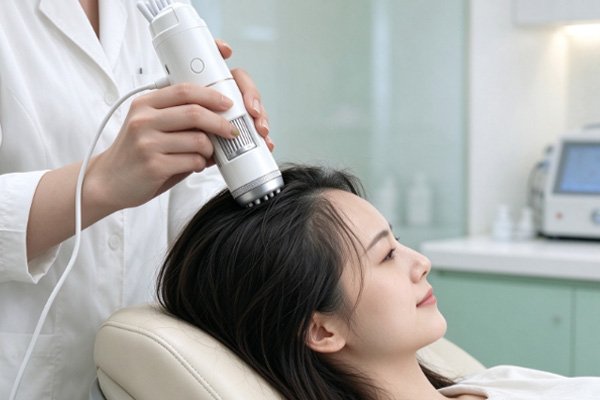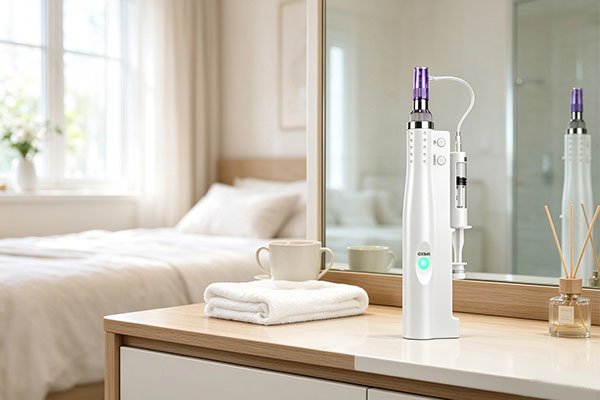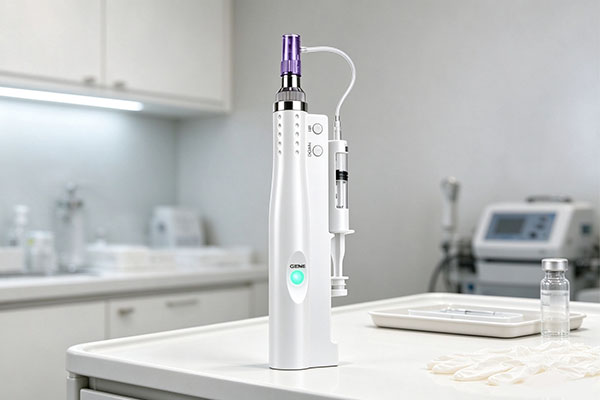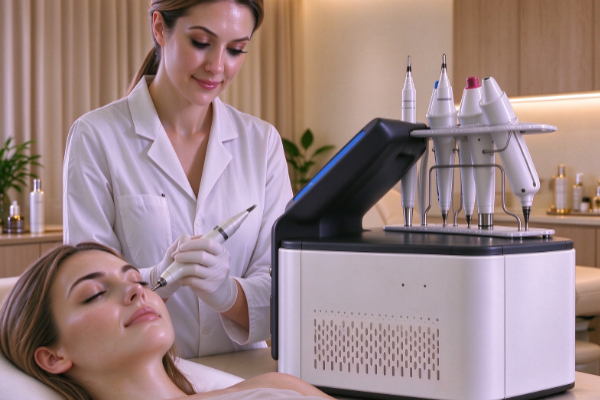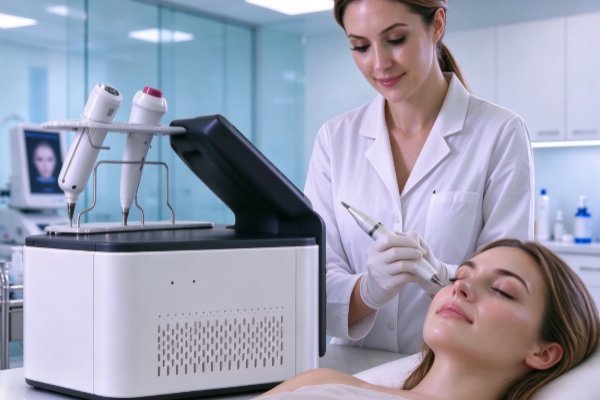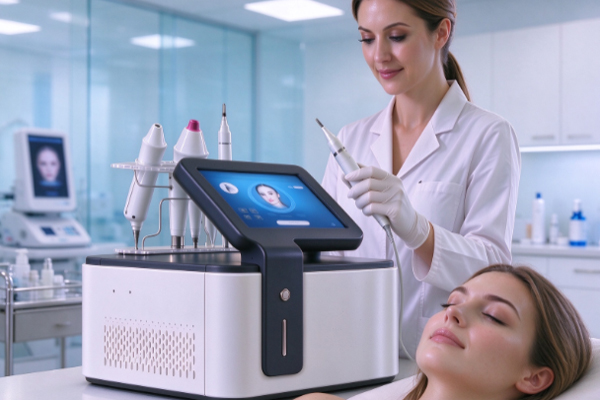
As demand for professional beauty equipment continues to grow, Fibroblast Plasma machines are attracting attention from beauty salons and aesthetic equipment buyers. Faced with different brands, models, and configurations of plasma beauty devices, salon owners need to evaluate their options based on business positioning, planned services, staff expertise, budget, and local regulations. A suitable device should come with clear technical specifications, standardized operating instructions, reliable quality documentation, comprehensive training support, and dependable after-sales service. Products on the market may differ in plasma generation methods, handpiece structures, energy controls, and intended applications. Their quality cannot be judged solely by product images, promotional claims, or selling prices. Understanding a device’s intended use, limitations, and operational requirements before purchasing can help beauty salons reduce procurement risks and establish clearer equipment management standards.
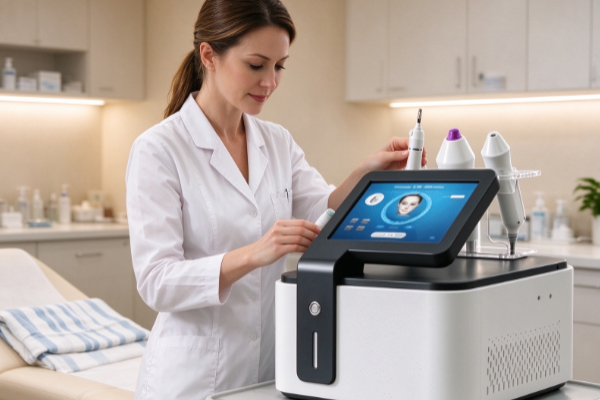
Define Your Business Needs Before Choosing a Fibroblast Plasma Machine
When purchasing a Fibroblast Plasma machine, a beauty salon should determine its intended applications based on its business model rather than simply pursuing more features or popular marketing trends. Customer needs, service procedures, staff experience, and daily appointment capacity vary between salons, so a device suitable for one business may not be appropriate for another. Owners should identify the services they plan to offer, verify whether the manufacturer explicitly supports those applications, and confirm whether local regulations permit the equipment to be used in the intended business setting. They should also assess whether staff can complete the required training, whether the salon has an appropriate operating environment, and whether maintenance activities could disrupt daily operations. If the team lacks relevant experience, training, standardized procedures, and risk management should be included in the purchasing plan. Once the actual requirements are clear, salon owners can screen suitable models, compare supplier proposals more effectively, and avoid paying extra for features they may not need.
Which Technical Specifications Should You Check When Choosing a Fibroblast Plasma Machine?
The technical configuration of a Fibroblast Plasma machine can influence operating procedures, equipment management, and maintenance requirements. Buyers should request technical documentation for the exact model and verify its key specifications rather than relying solely on descriptions on promotional webpages.
- Plasma generation system: Understand the device’s discharge method, output modes, and operating principles. Review the manufacturer’s technical documentation because different models may use different designs, and their performance should not be inferred from the product name alone.
- Energy output and adjustment functions: Check the parameter display, adjustment range, operating limits, and related instructions. Ensure that operators can understand the available settings. Higher numerical values or a wider adjustment range do not necessarily make a device more suitable for the salon’s needs.
- Handpiece and electrode design: Examine the handpiece ergonomics, electrode installation method, compatible consumables, and replacement requirements. Also review the recommended cleaning, maintenance, and storage procedures for these components.
- Operating interface and alerts: Evaluate the display, control buttons, menu layout, and warning indicators. Confirm that the user manual helps trained operators understand the operating process and respond appropriately to alerts.
- Maintenance and consumable availability: Review routine inspection requirements, recommended maintenance intervals, replacement procedures for wear-prone parts, and consumable availability. This helps prevent operational interruptions caused by unavailable accessories after purchase.
Technical specifications should correspond to the manufacturer’s documentation. Buyers can ask suppliers to explain the parameters, provide relevant test information where available, and confirm that the model being delivered matches the quotation and technical documents.
Prioritize Safety and Regulatory Compliance When Purchasing a Fibroblast Plasma Machine
Equipment purchasing should not focus solely on functions and price. Buyers should also verify the device’s intended use, risk warnings, contraindications, and compliance requirements in the relevant market. Regulations governing medical devices and beauty equipment, including classification, registration, sale, and use, may vary by location. Beauty salons should confirm the applicable documentation for the exact model under local regulations. Suppliers should provide clear instructions for use, product labeling, technical specifications, and relevant quality or compliance documents. Buyers should check that the model number and manufacturer details match the actual product. Fibroblast Plasma machines may use plasma discharge to produce localized energy or thermal effects. Improper operation may lead to burns, redness, pigmentation changes, infection, or scarring. Salons should ensure that operators receive training appropriate to the equipment and understand operating limitations, protective measures, and procedures for handling abnormal situations. Operators must not independently increase energy settings or use the machine on areas that the manufacturer has not explicitly identified as suitable. Sensitive areas, such as the eye area, should never be considered appropriate solely because a salesperson claims they are. If the product documentation does not adequately explain the intended use and safety requirements, buyers should proceed cautiously and seek advice from qualified professionals before use.
How Can You Evaluate a Fibroblast Plasma Machine Supplier’s Service Capabilities?
A reliable supplier should provide more than the equipment itself. The supplier should also support pre-purchase consultation, delivery inspection, operator training, and ongoing maintenance. During discussions, beauty salons can request complete product information, an equipment configuration list, an operating manual, warranty terms, and after-sales service details. They should confirm whether training covers device startup, parameter adjustment, routine inspection, cleaning, maintenance, and responses to abnormal operating conditions. For replaceable components such as handpieces, electrodes, and consumables, buyers should ask about lead times, pricing, and model compatibility to avoid maintenance difficulties later. Salon owners should also verify the supplier’s support channels, technical response procedures, repair process, and warranty coverage. Where necessary, important service commitments should be included in the purchase agreement. If a supplier focuses exclusively on cosmetic results but cannot answer questions about technical specifications, intended applications, maintenance requirements, or safety documentation, further verification is necessary. Choosing a supplier that communicates transparently, provides complete documentation, delivers clear training, and maintains dependable after-sales channels can support more effective long-term equipment management.
How Should Beauty Salons Develop a Purchasing and Management Plan for Fibroblast Plasma Machines?
After selecting suitable products, beauty salons should develop a purchasing and management plan that matches their operational requirements. The budget should account for more than the initial equipment price. Shipping, installation, training, consumables, scheduled maintenance, repairs, and staff learning time may also contribute to the total cost of ownership. Before purchasing, salons can create a comparison table to evaluate intended use, technical configuration, documentation completeness, warranty terms, spare-part availability, and supplier service for each model. When the equipment arrives, staff should check the model number, accessories, physical condition, and accompanying documents against the purchase agreement. Installation, acceptance checks, and necessary operator training should then be completed according to the manufacturer’s requirements. During routine use, salons should maintain records of equipment inspections, maintenance, consumable replacement, and abnormal incidents. All operators should follow consistent procedures. If a malfunction, unusual output, or other safety concern occurs, the device should be taken out of service and inspected by the supplier or a qualified technician. Staff should not attempt unauthorized repairs or bypass safety restrictions. Salons should also periodically review actual usage, maintenance expenses, and service needs to determine whether the equipment continues to meet business requirements. Through structured purchasing, clearly assigned responsibilities, and ongoing maintenance, salon owners can manage equipment costs more effectively and reduce operational risks associated with incomplete documentation, improper operation, or inadequate after-sales support.