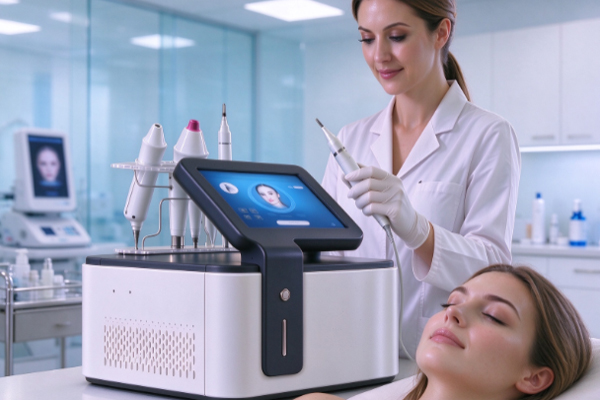
The performance of a microneedling pen depends largely on the combination of needle speed and needle depth. Speed affects the frequency of needle movement, while depth determines how deeply the needles penetrate the skin. These two parameters should be adjusted according to the treatment area, skin condition, device specifications, and intended application. Faster speed and greater needle depth do not necessarily produce better results. Understanding how to match microneedling pen speed with needle depth helps professional beauty clinics select suitable equipment and establish standardized operating procedures.
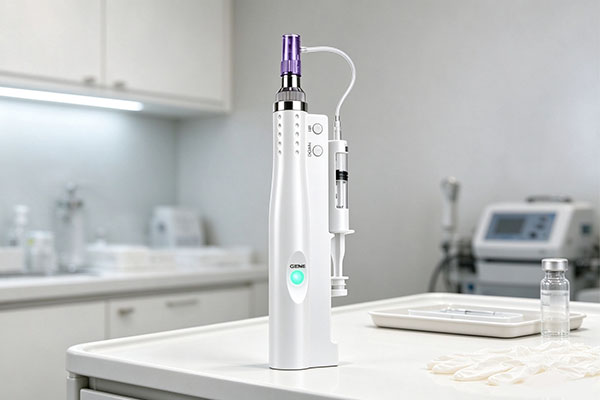
What Are the Functions of Microneedling Pen Speed and Needle Depth?
How Does Microneedling Pen Speed Affect Performance?
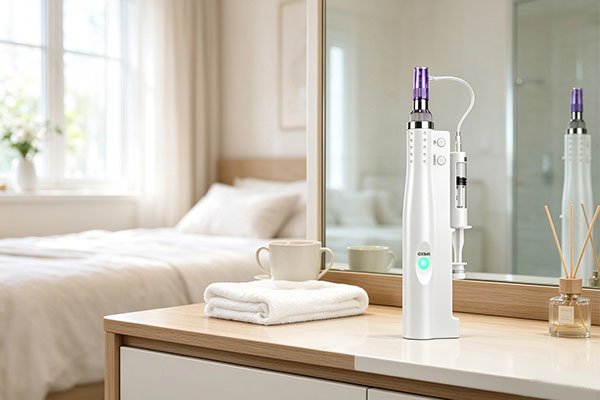
A microneedling pen typically uses a motor to drive the needles in rapid reciprocating movements. Depending on the device, speed may be adjusted through multiple speed settings or variable operating frequencies. An appropriate speed helps maintain consistent needle movement and reduces unnecessary dragging during operation.
If the speed is too low for the selected technique, repeated contact or skin pulling may occur. Excessively high speed does not necessarily improve results and may increase the risk of inconsistent operation, localized irritation, or discomfort. Speed selection should therefore take into account the manufacturer’s instructions, needle configuration, and intended application.
How Does Needle Depth Determine the Treatment Area?
Microneedling pen needle depth is generally controlled through an adjustable pen-tip mechanism. The available adjustment range varies between models. Different depth settings produce different levels of mechanical action on the skin, although the actual penetration depth may also be affected by skin elasticity, applied pressure, needle condition, and operating angle.
Needle depth should not be selected solely according to a particular skin concern. Skin thickness varies across facial areas, meaning the same settings may not be appropriate for the forehead, cheeks, and areas around the eyes. Qualified professionals should determine suitable settings based on device instructions, approved applications, and relevant professional requirements rather than automatically choosing deeper penetration.
How to Match Microneedling Pen Speed with Needle Depth
Prioritize Stability for Shallow Applications
For shallow applications within the device’s intended and permitted operating range, parameter selection should prioritize control and consistent performance. Operators should ensure that the needle cartridge is correctly installed, confirm that the device runs smoothly, and select a speed within the manufacturer’s recommended range.
Shallow operation does not eliminate the need for proper hygiene, nor does it justify repeatedly treating the same area without appropriate assessment.
Reassess Speed and Risk When Increasing Needle Depth
Deeper needle settings require greater attention to tissue injury, bleeding, pain, and infection risks. Increasing speed should not be used as a way to compensate for the resistance associated with deeper penetration. Similarly, reducing speed does not automatically guarantee safe operation.
Specific parameter combinations should be determined using validated device data and professional operating guidelines. A single speed-and-depth combination should not be applied universally to every individual or treatment area.
Different Treatment Areas Require Different Considerations
The face, body, and individual skin areas differ in thickness, sensitivity, and recovery characteristics. Sensitive areas, particularly around the eyes, require especially careful assessment.
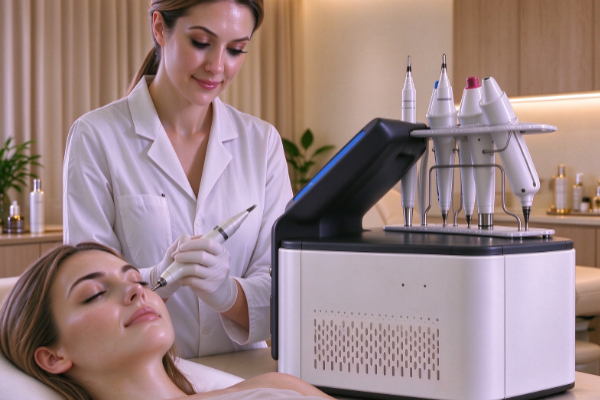
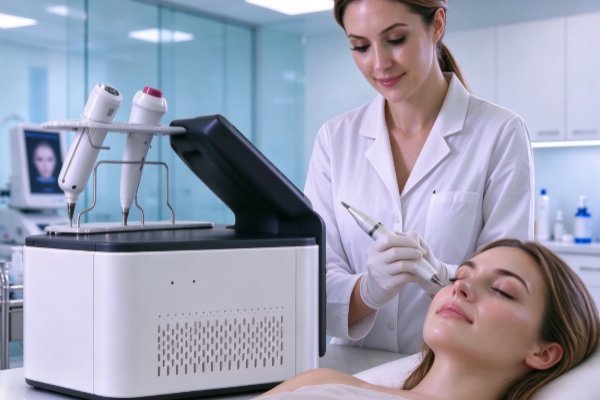
For therapeutic microneedling or procedures that penetrate living skin, treatment should be performed by appropriately qualified professionals in accordance with local regulations and the device’s intended use.
What Other Factors Should Be Considered When Selecting Microneedling Pen Parameters?
Motor Performance and Operating Stability
Motor output, consistency of needle movement, and stability under operating loads can all affect the user experience. When purchasing a microneedling pen, buyers should look beyond maximum speed and evaluate the adjustment mechanism, operating noise, needle compatibility, and relevant device testing standards.
Precise and stable parameter control is generally more useful than simply pursuing a higher speed rating.
Needle Cartridges and Depth Adjustment Mechanisms
The manufacturing precision of needle cartridges, installation method, and depth adjustment mechanism affect both usability and operating consistency. Professional clinics should confirm that cartridges meet the manufacturer’s requirements, determine whether they are designated for single use, and establish clear replacement and disposal procedures.
Needle cartridges labeled for single use must not be reused.
Operating Procedures and Skin Assessment
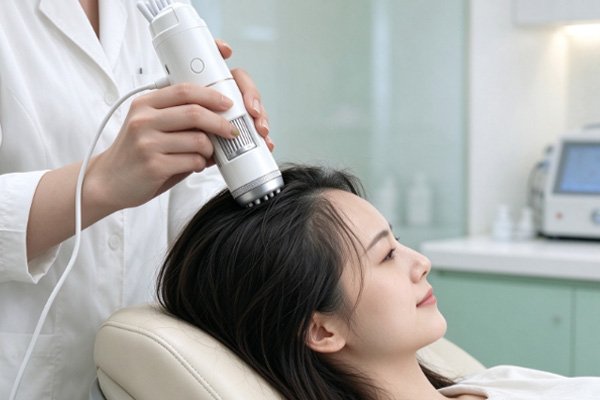
Before treatment, operators should assess the skin condition, relevant medical history, infection risks, and potential contraindications. If active infection, significant inflammation, or another condition makes microneedling inappropriate, treatment should be postponed and professional medical advice sought.
After treatment, appropriate aftercare should follow professional guidance. Unnecessary irritation should be avoided, and persistent swelling, significant pain, or signs of infection should receive prompt medical attention.
How to Choose a Microneedling Pen for Professional Beauty Clinics
When selecting a microneedling pen, professional buyers should evaluate speed adjustment precision, needle depth control, motor stability, cartridge quality, and after-sales technical support. Beauty equipment distributors and businesses seeking OEM/ODM services may also consider customization options for product structure, exterior design, functional configuration, and long-term accessory supply.
Aqual Beauty specializes in the development and supply of beauty equipment and provides product consultation and related support for customers with equipment purchasing and customization requirements.
When evaluating a microneedling pen, buyers should prioritize compliance with target-market regulations, intended applications, technical specifications, and the availability of compatible consumables. Maximum speed and maximum needle depth alone are not reliable indicators of overall product quality.
Conclusion
Matching microneedling pen speed with needle depth requires careful consideration of device specifications, skin conditions, and operating safety. Faster movement and deeper penetration do not automatically deliver better results.
By selecting a Microneedling Pen with stable performance, clear depth adjustment, and appropriate regulatory compliance, professional clinics can better balance equipment functionality, operational control, and user safety. All settings should follow the manufacturer’s instructions and applicable professional guidelines.