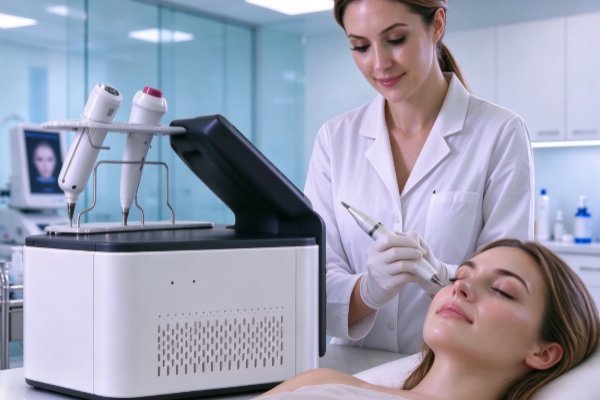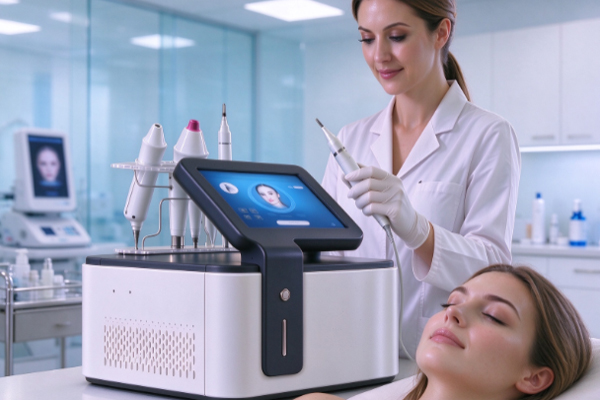
As skin becomes looser and fine lines around the eyes become more noticeable, many people start looking into skin tightening treatments. Fibroblast plasma is a cosmetic technology that has gained attention in recent years and is often used in localized skin tightening procedures. It works by using a specialized device to generate a plasma arc that delivers heat to targeted areas of the skin, triggering the body’s natural repair process. However, results are not immediate, and the treatment is not suitable for every skin type. For beauty clinics, choosing the right equipment involves more than looking at its advertised functions. Ease of operation, practical configurations, replacement accessories, and after-sales support are also important.
How Does Fibroblast Plasma Help Tighten Skin?
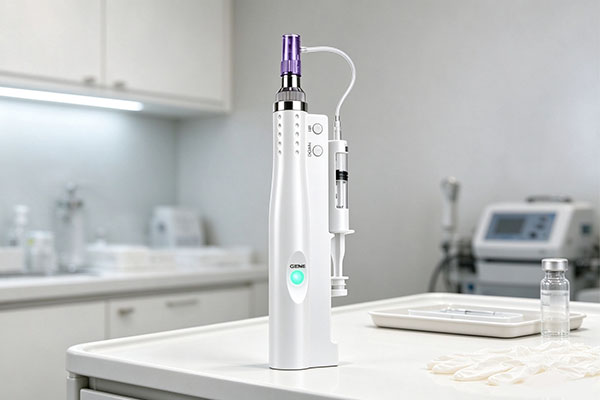
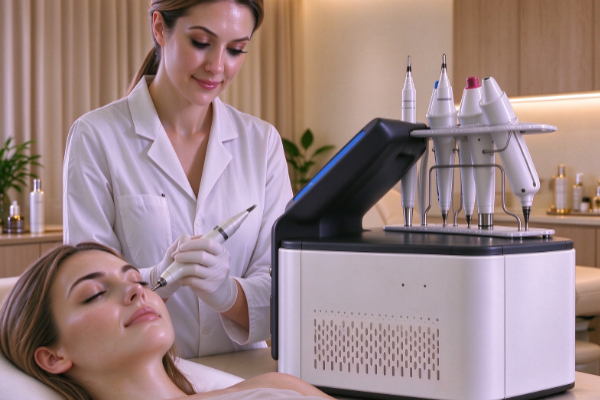
Fibroblast plasma treatments typically use a pen-shaped plasma device. During operation, the device generates a tiny electrical arc that delivers concentrated heat to the skin’s surface. In simple terms, controlled local stimulation triggers the skin’s natural repair process. The device does not directly inject fibroblast cells into the skin, and results vary from person to person.
- Applying localized heat: After the plasma arc acts on the skin, tiny marks may appear on the surface and gradually develop into small scabs.
- Triggering the skin’s repair process: The skin gradually heals, and some localized tissue contraction may occur.
- Supporting collagen-related repair: Fibroblasts play a role in collagen production and tissue repair, but this does not mean everyone will achieve noticeable skin tightening.
It is important to distinguish arc-based plasma devices from cold plasma devices. They work differently and may have different intended applications. When choosing equipment, look beyond the product name and check the actual technology and product specifications.
What Results Can Fibroblast Plasma Deliver? Which Skin Concerns Can It Address?
Many people are interested in this technology because they want to improve fine lines and localized skin laxity. However, real-world results are not always as impressive as promotional photos may suggest. Skin condition, treatment area, device type, and operating technique can all affect the outcome.
- Fine lines around the eyes: Some professional devices are used for treatments targeting the eye area. However, the skin around the eyes is delicate, and the risks are higher. The treatment is not suitable for everyone.
- Localized skin laxity: Heat stimulation may produce some tissue contraction, but people with significant skin laxity should not expect this treatment alone to deliver surgery-level results.
- Skin surface texture: Some products are promoted for improving skin texture, but this does not mean they can reliably address every concern, including acne scars and pigmentation.
Ultimately, whether fibroblast plasma is suitable should be determined through a professional assessment rather than a few before-and-after photos. People who are prone to scarring, have active skin infections, or are susceptible to pigmentation changes need to be particularly cautious.
How Long Does Recovery Take After Fibroblast Plasma Skin Tightening? Are There Any Risks?
After treatment, the skin may develop redness, swelling, mild discomfort, and small scabs, followed by a period of recovery. There is no single recovery timeline because the treatment area, device output, and individual skin condition all make a difference. Potential complications include hyperpigmentation, hypopigmentation, infection, and even scarring, so this should not be treated as an ordinary skincare procedure. During recovery, follow professional aftercare instructions, avoid picking at scabs, and do not use irritating skincare products too soon. If pain becomes increasingly severe, signs of infection appear, or the skin does not heal properly, seek medical attention promptly. Whether a device can be used for a particular procedure also depends on local regulations and its authorized intended use.
How to Choose a Fibroblast Plasma Device: Which Features Should You Check?
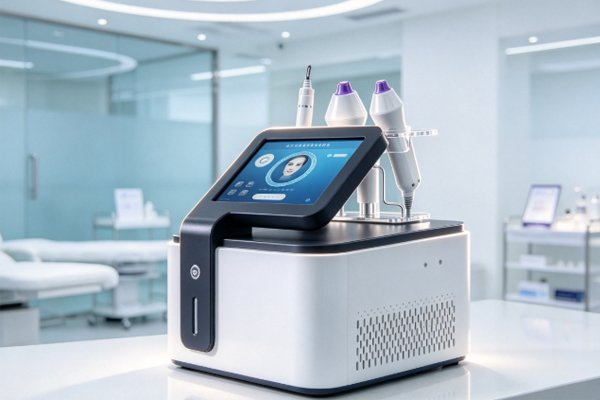
For beauty clinics and professional equipment buyers, choosing a device is about more than comparing prices. Whether it meets treatment requirements, offers clear parameter settings, and comes with readily available accessories can all affect long-term use. Here are some key details worth checking before making a purchase.
- What type of technology does it use? Confirm the plasma technology used by the device. Arc-based plasma and cold plasma should not be treated as interchangeable.
- Are the settings adjustable? Ask about output settings, control methods, and operating instructions to make sure the functions meet your needs.
- Are replacement accessories readily available? Check the specifications, replacement procedures, and supply options for handpieces, consumables, and other accessories.
- What after-sales support is provided? Clarify the warranty period, repair services, and technical training available so you know where to turn if a problem occurs.
- Is the product documentation complete? Check the regulatory requirements and permitted applications in your target market before planning how the equipment will be used.
If you are looking for a fibroblast plasma device for your beauty business, start by identifying your actual treatment requirements, then compare the features, accessories, and after-sales services of different models. Contact us to inquire about technical specifications, available configurations, and pricing. If you need bulk purchasing or customization, we can also discuss your requirements and help you identify a suitable configuration before you place an order.