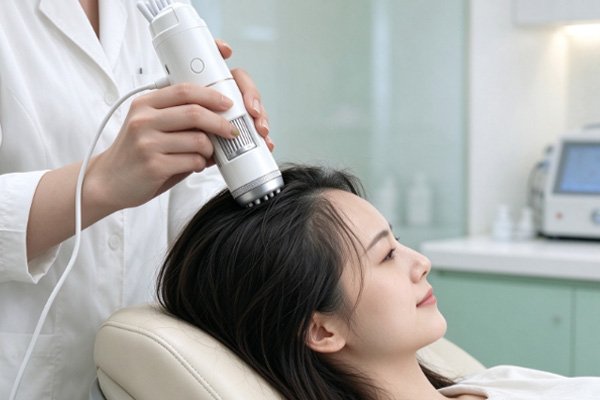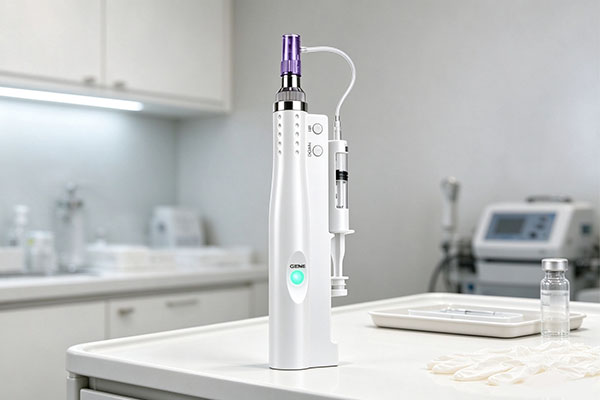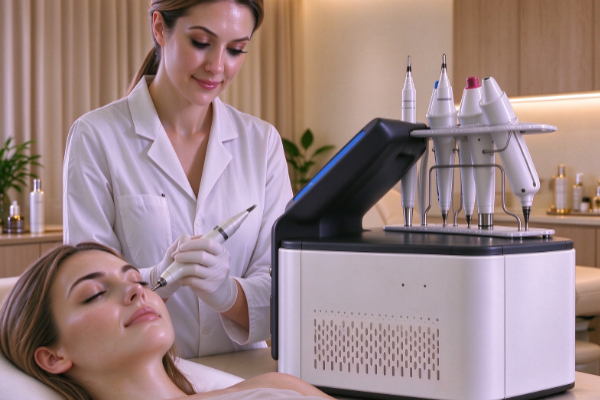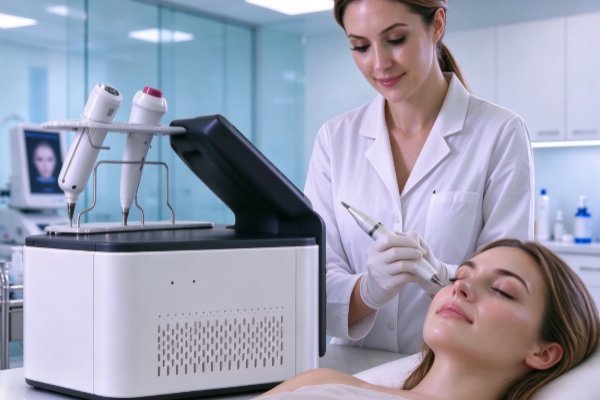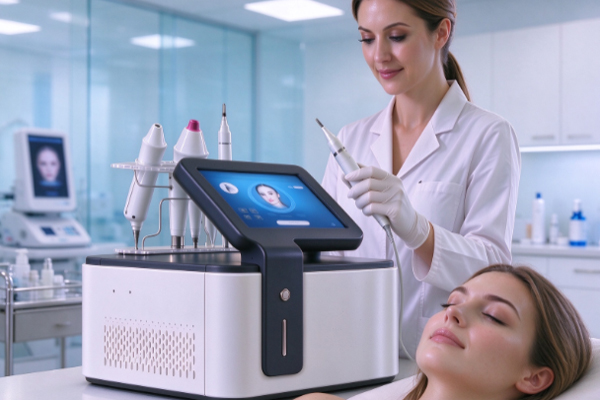
Acne scars are a common skin concern that may appear as red or brown marks, depressed areas, raised scars, or uneven skin texture after acne subsides. Different types of acne scars develop for different reasons and may require different skincare or treatment approaches. An RF microneedling machine combines microneedling technology with radiofrequency energy delivery. It uses controlled mechanical action and thermal effects to target specific skin tissues and is often considered when evaluating treatment options for atrophic acne scars. However, RF microneedling is not suitable for every type of acne scar, and its effectiveness depends on scar type, depth, skin condition, device design, and professional operating technique. For medical aesthetic clinics and equipment buyers, understanding the working principles, intended applications, and safety requirements of RF microneedling helps them evaluate the potential value of this technology.
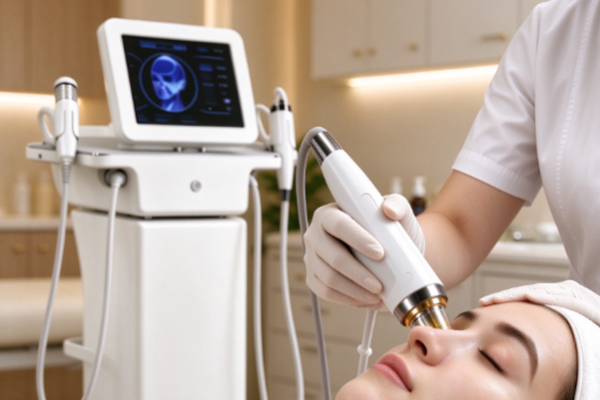
How Does an RF Microneedling Machine Work to Improve Acne Scars?
An RF microneedling machine uses microneedles to reach a selected skin depth and deliver radiofrequency energy to targeted tissue through an electrode system. The mechanical action of the needles and the controlled thermal effect generated by RF energy work together and may stimulate responses associated with tissue repair and collagen remodeling. Depressed acne scars are commonly associated with dermal damage caused by acne-related inflammation, changes in collagen structure, and fibrous tethering beneath the skin. Improving these scars therefore requires consideration of the underlying tissue structure rather than surface appearance alone. The potential benefit of RF microneedling lies in its ability to control needle depth and energy delivery according to the device’s design, allowing treatment to target a predetermined area. However, this does not mean that all acne scars can disappear completely or that everyone will achieve the same degree of improvement. Needle structures, RF output methods, and approved indications can vary significantly between devices. Before use, the manufacturer’s instructions, intended applications, and relevant clinical evidence should be reviewed, and a qualified professional should assess whether the treatment is appropriate.
Are Different Types of Acne Scars Suitable for RF Microneedling?
Acne scars can appear in different forms, including post-inflammatory hyperpigmentation, red acne marks, depressed scars, and raised scars. RF microneedling may help improve certain atrophic acne scars, but its role in treating pigmentation, persistent redness, and raised scars is different. The type of skin concern should be identified before treatment rather than treating every post-acne mark as the same condition.
Common acne scar types and their assessment considerations include:
- Depressed acne scars: These scars appear as indentations of varying depths and may be associated with dermal tissue damage and changes in collagen structure. RF microneedling may help improve some depressions and uneven skin texture, but results depend on scar shape, depth, and the treatment plan.
- Red acne marks: Red marks may be associated with vascular changes following acne-related inflammation and do not necessarily indicate atrophic scarring. Whether RF microneedling is appropriate should be determined according to the skin condition and the device’s approved indications.
- Brown acne marks: Brown marks are commonly associated with post-inflammatory hyperpigmentation. RF microneedling is not the preferred treatment for every pigmentation concern, and inappropriate skin stimulation may worsen pigmentation in some skin types.
- Raised acne scars: These scars may extend above the surrounding skin. Some patients may also develop keloids. These conditions require professional diagnosis and should not automatically be treated using the same approach designed for depressed acne scars.
- Mixed acne scars: Some individuals have depressed scars, red marks, and pigmentation at the same time. Each concern should be assessed separately, and a qualified professional may develop a combination treatment plan when appropriate.
Accurately identifying the type of acne scar helps guide treatment selection. People with significant inflammation, active acne, or skin infections generally need professional assessment and appropriate management before undergoing energy-based treatment.
How Long Does It Take to See Improvements in Acne Scars with RF Microneedling?
The speed and degree of improvement from RF microneedling vary between individuals, so a fixed treatment schedule cannot predict everyone’s results. Some people may notice changes in skin texture after treatment, but responses associated with tissue remodeling generally take time to develop. Changes in appearance shortly after a session do not necessarily represent the final outcome. The number of sessions, treatment intervals, and operating parameters should be determined according to scar type, skin tolerance, device instructions, and professional assessment rather than simply pursuing more sessions or higher energy levels. Deep depressions, scars with sharply defined edges, or scars involving subcutaneous tethering may require other targeted methods or combination treatments. During recovery, patients should also follow appropriate sun protection, gentle cleansing, and moisturizing practices while avoiding excessive friction and irritating products. For medical aesthetic clinics, equipment performance should be assessed using reliable clinical data and consistent photography conditions, including lighting, camera distance, and observation methods. Individual case studies or promotional before-and-after images do not represent the results every patient can expect. Setting realistic expectations helps reduce unnecessary treatment and misunderstandings.
What Factors Affect the Results of an RF Microneedling Machine?
The actual performance of RF microneedling depends on scar structure, skin condition, device technology, operating methods, and post-treatment care. Even when two people have similar-looking acne scars, the degree of dermal damage, the presence of subcutaneous adhesions, and the skin’s repair capacity may differ. Individual assessment is therefore essential before treatment, and parameters should not be selected solely according to scar area or appearance. For equipment buyers, understanding the factors that influence outcomes also helps determine whether a product’s technical documentation is complete and whether the device meets the clinic’s practical requirements.
The following factors should be considered during evaluation:
- Scar depth and shape: Shallow depressions and deep scars differ in treatment difficulty. Ice pick, boxcar, and rolling scars may require different treatment strategies.
- Needle design and RF technology: Needle structure, adjustable depth range, electrode design, and RF output mode affect how energy is delivered. These features should be evaluated using the manufacturer’s technical documentation.
- Parameter settings and operator expertise: Needle depth, energy intensity, and pulse duration must remain within the device’s specified limits. Trained professionals should select appropriate settings based on the individual’s skin condition.
- Individual skin characteristics: Skin sensitivity, susceptibility to pigmentation changes, a history of abnormal scarring, and overall health may influence treatment selection and recovery.
- Post-treatment care and sun protection: Following professional guidance on cleansing, moisturizing, and sun protection can support skin recovery and help prevent additional irritation or damage.
Device performance cannot be reliably determined by power output, needle count, or marketing claims alone. Product design, clinical evidence, approved indications, parameter control, and operator training support should all be considered.
Safety Requirements and Purchasing Recommendations for RF Microneedling Machines
An RF microneedling machine is an energy-based skin treatment device that requires professional operation. Microneedles disrupt the skin barrier, while RF energy can produce a thermal effect. Improper use may result in infection, burns, hyperpigmentation or hypopigmentation, scarring, and other adverse reactions. Before treatment, professionals should assess active acne, skin infections, open wounds, and other conditions that may affect safety. Medical history, medication use, and the device’s approved indications should also be considered when determining suitability. If persistent or worsening pain, significant swelling, blisters, signs of infection, or other unusual reactions develop after treatment, prompt medical assessment is recommended.
Medical aesthetic clinics purchasing RF microneedling equipment should review the following points:
- Regulatory compliance: Verify the device’s registration, listing, or other applicable compliance status in the sales market, and confirm that its approved indications cover the intended applications.
- Technical specifications and control systems: Review needle depth, RF output modes, parameter adjustment ranges, and safety features. Ensure that the technical documentation is complete and accessible.
- Consumables and infection control: Confirm needle cartridge requirements, compatibility, availability, and disposal procedures. Establish appropriate hygiene and infection-control protocols.
- Operator training and after-sales support: Determine whether the supplier provides equipment training, maintenance guidance, troubleshooting, and warranty services.
- Clinical evidence and outcome assessment: Review reliable clinical studies and the manufacturer’s technical documentation. Promotional images and individual case reports should not be treated as guarantees of typical treatment outcomes.
An RF microneedling machine may help improve certain types of depressed acne scars, but it cannot replace every treatment used for red acne marks, pigmentation, or raised scars. By accurately identifying scar types, selecting appropriate equipment, following professional operating protocols, and providing suitable post-treatment care, clinics can evaluate the practical value of RF microneedling more scientifically.