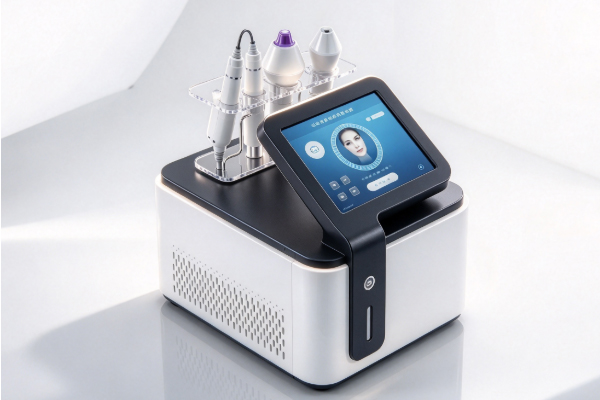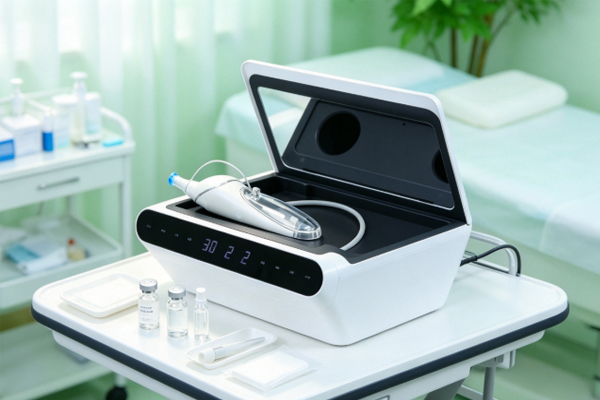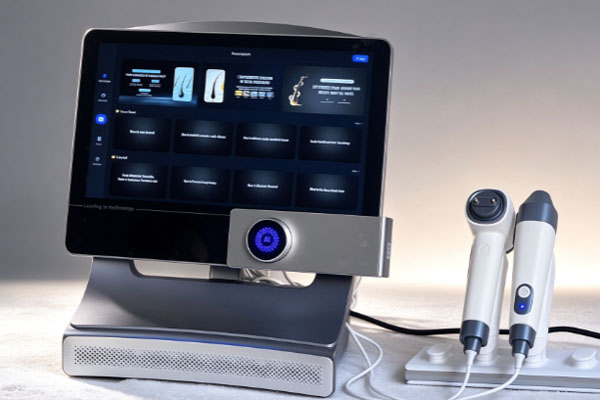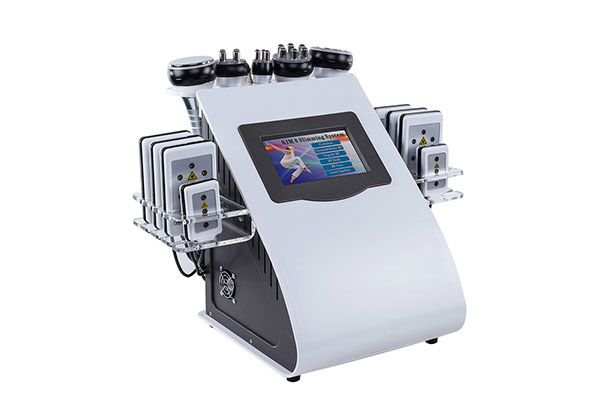
As beauty technology continues to advance, the Microneedling Pen has become an important device in professional aesthetic skin care. It uses fine needles to create controlled micro-injuries in the skin, triggering the body’s natural repair response. Under appropriate conditions, microneedling may help improve the appearance of certain acne scars, fine lines, and uneven skin texture. Understanding its common applications, potential benefits, and safety requirements can help beauty professionals develop more suitable treatment plans.
What Is a Microneedling Pen?
How Does a Microneedling Pen Work?
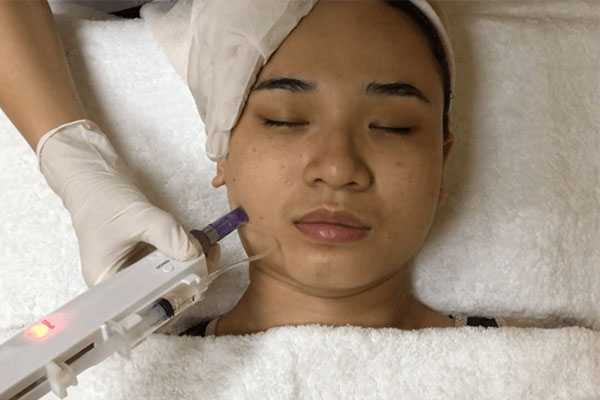
A Microneedling Pen is an electric beauty device that uses rapidly moving fine needles to create tiny channels or controlled micro-injuries in the skin. This process activates the skin’s natural healing response and supports processes associated with collagen production and tissue remodeling.
Key Features of a Microneedling Pen
Compared with traditional manual microneedling tools, electric microneedling pens may offer adjustable operating speeds, replaceable needle cartridges, and customizable settings, depending on the model. Professionals should select appropriate treatment parameters based on the manufacturer’s instructions, the device’s intended use, and the client’s skin condition.
Common Applications of Microneedling Pens in Beauty Treatments
Acne Scar Care and Skin Texture Improvement
Depressed acne scars can create visible indentations and uneven skin texture. For scars that have been professionally assessed and deemed suitable for microneedling, treatment may help improve their appearance by stimulating the skin’s repair response and supporting collagen remodeling.
Different types of acne scars respond differently to treatment. Deep or tethered scars may require other professional procedures, so microneedling should not be considered a universal solution for all acne scars.
Fine Lines and Skin Aging Care
As the skin ages, changes in collagen and other structural components can contribute to fine lines and uneven texture. Under appropriate conditions, microneedling may help improve the appearance of certain fine lines and make the skin look smoother.
Treatment outcomes depend on factors such as age, skin condition, device settings, and individual healing responses. Results vary, and the same outcome cannot be guaranteed for every client.
Visible Pores and Rough Skin Management
Many people are concerned about visible pores, rough skin, and uneven surface texture. For suitable skin conditions, professional microneedling may help improve the overall appearance of the skin.
However, pore visibility is also influenced by genetics, sebum production, and hair follicle structure. A Microneedling Pen cannot permanently shrink pores and should not replace basic cleansing, moisturizing, and other appropriate skin care practices.
Uneven Skin Tone and Sun-Related Skin Concerns
Some skin texture concerns are associated with prolonged sun exposure and skin aging. In selected cases, microneedling may form part of a professionally assessed treatment plan. However, not every pigmentation concern is suitable for microneedling.
Conditions such as melasma and post-inflammatory hyperpigmentation require careful assessment by a qualified professional. Improper treatment may worsen inflammation and pigmentation changes, particularly in individuals who are prone to hyperpigmentation.
How to Perform Microneedling Treatments Safely
Conduct a Pre-Treatment Skin Assessment
Before treatment, professionals should evaluate the client’s skin type, previous skin concerns, scarring history, and relevant risk factors. Microneedling should be avoided on areas with active infections, significant inflammation, or broken skin. Medical advice should be sought when necessary.
Follow Device Instructions and Hygiene Standards
Beauty clinics should choose a Microneedling Pen that complies with applicable local regulations and is suitable for the intended treatment. The device must be operated according to the manufacturer’s instructions.
Needle cartridges should be handled appropriately, and single-use cartridges must never be reused. Proper device cleaning, disinfection, and operator training are also essential for reducing the risk of contamination and complications.
Prioritize Post-Treatment Skin Care
Temporary redness, swelling, sensitivity, or discomfort may occur after microneedling. Clients should follow professional aftercare instructions, use appropriate gentle skin care products, and protect their skin from sun exposure.
If pain becomes progressively worse or unusual discharge or signs of infection develop, prompt medical attention is recommended.
Conclusion
Common applications of the Microneedling Pen in beauty treatments include improving the appearance of certain acne scars, addressing selected fine lines, managing uneven skin texture, and supporting the professional assessment of specific skin concerns. Its effectiveness depends on the skin condition, device specifications, treatment protocol, and individual response.
For beauty clinics, selecting a suitable Microneedling Pen involves more than evaluating device features and operating settings. Hygiene management, professional training, and risk control are equally important. With appropriate assessment and responsible treatment practices, beauty professionals can better address clients’ skin care needs while prioritizing safety.