Skin texture is an important factor in the overall appearance and feel of the skin. Visible pores, acne scars, fine lines, and rough patches can all affect skin smoothness. With the development of professional beauty devices, the Microneedling Pen has become a popular option in skin texture improvement treatments. It works by creating controlled micro-injuries in the skin, triggering the body’s natural repair process. Understanding how a microneedling pen works, its potential applications, and the precautions involved can help professionals develop more appropriate skin care plans.
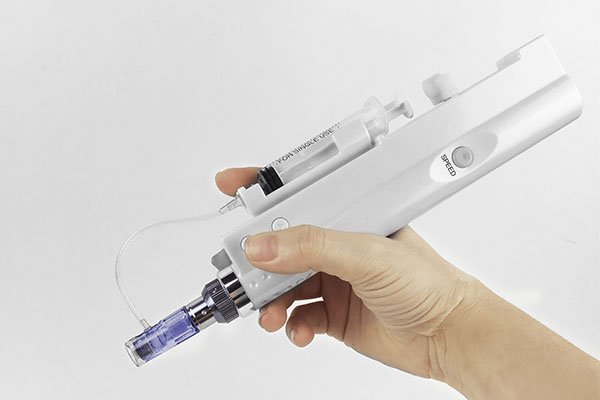
What Is a Microneedling Pen and How Does It Work?
The Basic Working Principle of a Microneedling Pen
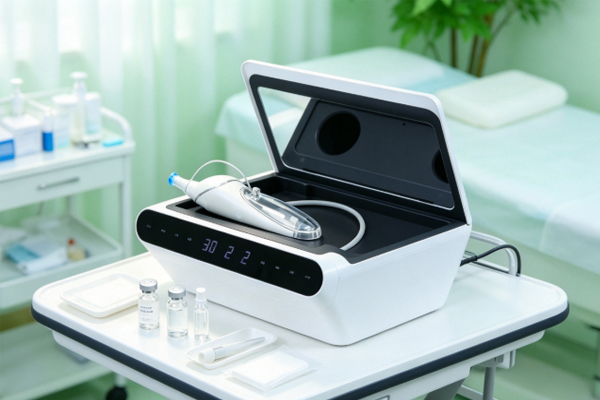
A microneedling pen is a beauty device that uses fine needles moving rapidly back and forth to treat the skin. Depending on the device design and treatment depth, the needles create tiny channels or controlled micro-injuries that stimulate the skin’s natural healing response.
Supporting the Skin’s Natural Repair Process
When the skin receives controlled stimulation, it activates a series of repair mechanisms, including processes associated with collagen production and extracellular matrix remodeling. Following appropriate assessment and professional treatment, microneedling may help improve the appearance of certain acne scars, fine lines, and uneven skin texture.
However, the degree of improvement depends on the skin condition, the type of concern, device settings, and individual response. A microneedling pen cannot guarantee the complete removal of scars or pores.
How Can a Microneedling Pen Improve Different Skin Texture Concerns?
Improving the Appearance of Depressed Acne Scars
Depressed acne scars can create uneven areas and visible indentations on the skin. For certain acne scars that have been professionally assessed and deemed suitable for microneedling, controlled stimulation may support collagen remodeling and help improve the appearance of uneven skin texture.
Different types of acne scars respond differently to treatment. Deep or tethered scars may require other professional treatment methods in combination with microneedling.
Improving Rough Skin and Uneven Texture
Rough skin may be associated with the condition of the outer skin layer, sun damage, acne scarring, or skin aging. Under appropriate conditions, a microneedling pen may help improve certain forms of uneven texture, making the skin appear smoother.
However, if roughness is primarily caused by a damaged skin barrier, eczema, or active inflammation, the underlying condition should be assessed before considering microneedling.
Reducing the Appearance of Certain Fine Lines
As the skin ages, changes in collagen and other structural components can contribute to the development of fine lines. Under suitable conditions, microneedling may help improve the appearance of certain fine lines and enhance skin texture.
Results generally take time to develop and vary from person to person.
Improving the Appearance of Visible Pores
Pore visibility is influenced by several factors, including sebum production, genetics, skin aging, and hair follicle structure. Microneedling may help address certain texture concerns associated with visible pores, but it cannot permanently shrink pores or replace regular cleansing and appropriate skin care.
How to Use a Microneedling Pen Appropriately
Develop a Treatment Plan Based on Skin Condition
Before microneedling, professionals should assess the individual’s skin type, acne scar characteristics, sensitivity, and relevant skin history. Needle configuration, treatment depth, and treatment frequency must be determined according to the specific device instructions and professional assessment. Increasing treatment intensity without proper guidance should be avoided.
Prioritize Professional Operation and Hygiene
Microneedling disrupts part of the skin barrier, making hygiene, proper handling of single-use needle cartridges, and operator training essential.
Treatment should be avoided on areas with active infections, significant inflammation, or damaged skin. Individuals with these concerns should consult an appropriate medical professional before considering treatment.
Follow Appropriate Aftercare and Sun Protection
After treatment, follow the aftercare instructions provided by the treating professional. Avoid excessive cleansing, irritating skin care products, and unnecessary friction. Sun protection is also important during the recovery period.
Temporary redness, sensitivity, or swelling may occur after microneedling. If pain becomes progressively worse or there are signs of unusual discharge or infection, seek medical attention promptly.
A microneedling pen uses controlled needle stimulation to activate the skin’s natural repair process. Under appropriate conditions, it may help improve the appearance of depressed acne scars, certain fine lines, and uneven skin texture. Actual results depend on the type of skin concern, device specifications, and the quality of professional treatment.For beauty clinics and aesthetic professionals, choosing the right Microneedling Pen requires consideration of device specifications, needle configuration, hygiene management, and operator training. Combining a scientifically informed skin assessment with appropriate aftercare helps manage treatment risks and supports the development of suitable treatment plans for different skin texture concerns.