
Facial skin analysis combines image capture, feature recognition, and result presentation to help users better understand the appearance of their skin. A 3D AI skin analyzer uses three-dimensional imaging to display facial contours and analyzes images to organize information about pores, wrinkles, and skin tone. Some devices also feature multispectral imaging to display skin characteristics under specific lighting conditions. Understanding the analysis process and the scope of device functions can help beauty businesses select suitable assessment tools and provide useful references for client consultations and skin condition records.
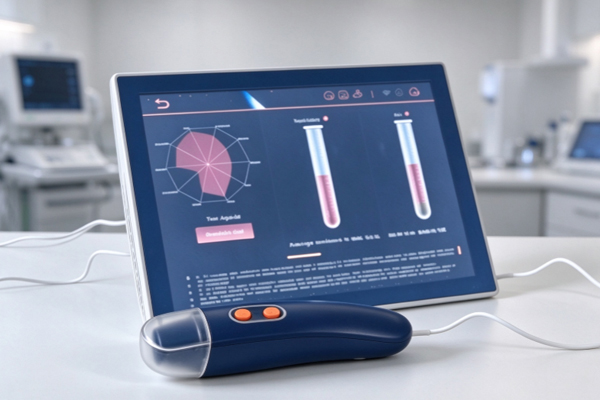
How Does a 3D AI Skin Analyzer Capture Facial Information?
Image capture is the foundation of facial analysis. Three-dimensional imaging and other imaging methods can provide different types of information, depending on the device configuration.
Presenting Facial Features Through 3D Imaging
Three-dimensional imaging primarily displays the spatial structure of the face, making it easier to examine contours and localized variations in surface elevation.
- Contour presentation: Displays the overall facial shape and spatial relationships between different areas.
- Surface observation: Helps examine certain wrinkles, depressions, and variations in skin texture.
- Three-dimensional viewing: Allows users to observe facial appearance from different angles through a 3D model.
Three-dimensional imaging supplements the structural information available in flat images, but it cannot independently determine deeper skin conditions.
Supplementing Skin Information Through Multispectral Imaging
Some devices use different light sources or imaging modes to display skin characteristics under specific conditions.
- Visible-light images: Used to observe skin tone and surface appearance under ordinary lighting conditions.
- Polarized-light images: Help examine certain texture details, reflections, and color differences.
- Ultraviolet images: When supported by the device, display specific fluorescence or UV-related characteristics.
Multispectral capabilities depend on the actual device configuration. The name “3D AI” alone does not indicate which imaging functions are available.
How Does AI Analyze Facial Skin Characteristics?
After facial images are captured, AI algorithms can identify image features according to the analysis functions supported by the device and organize the information into easy-to-read results.
Analyzing Pores, Wrinkles, and Skin Texture
Image recognition helps examine facial details and makes the visible characteristics of different areas easier to distinguish.
- Pore appearance: Identifies visible pore characteristics and their distribution in the images.
- Wrinkle characteristics: Displays the shape and distribution of certain fine lines.
- Texture differences: Helps compare surface characteristics across different facial areas.
These results help users understand the appearance of their skin, although the actual scope and accuracy of recognition depend on device performance.
Analyzing Skin Tone and Localized Appearance Characteristics
When a device supports the relevant image-analysis functions, it can identify and organize information about facial color and localized skin appearance. For example, it may help observe visible spots and color distribution, display reddish appearances in certain areas, and present relevant information through image annotations or analysis reports. Image annotations serve only as references for observing skin conditions and cannot independently establish the presence of a skin disease or infection.
How Can the Comparability of Facial Analysis Results Be Improved?
To compare skin conditions over time, image-capture conditions should be kept as consistent as possible, and assessments should consider both the images and the analysis results.
Maintaining Standardized Image-Capture Conditions
The capture environment and facial positioning can affect image appearance. Standardized procedures help improve the comparability of results taken at different times.
- Control lighting: Use the lighting and capture environment specified by the device.
- Maintain consistent positioning: Keep facial distance, camera angle, and head position as consistent as possible.
- Keep conditions stable: Try to maintain consistent facial expressions, imaging areas, and preparation procedures before each assessment.
Image-capture methods vary between devices, so users should follow the operating instructions for the specific product.
Interpreting Periodic Analysis Results Correctly
AI-generated scores, skin age estimates, and change trends generally depend on the algorithms and evaluation criteria used by the device.
- Review the images: Interpret the results alongside the original images rather than focusing on a single score.
- Compare the same parameters: Use the same analysis items and capture conditions whenever possible.
- Interpret scores carefully: Treat overall scores as supplementary references rather than absolute measures of skin health.
Periodic analysis can help document changes in skin appearance, but it should not serve as the sole proof of skincare effectiveness or a medical conclusion.
What Should You Consider When Choosing a 3D AI Skin Analyzer?
When selecting a device, consider its imaging configuration, analysis functions, and practical application requirements rather than judging its capabilities solely by its technical name.
Understanding Imaging Configuration and Analysis Scope
Hardware configurations and analytical capabilities may differ between devices. Specific functions should be confirmed before purchasing.
- 3D imaging: Understand the range of facial structures and details the device can display.
- Spectral configuration: Confirm which light-source types are supported and which analysis functions correspond to them.
- Report content: Check whether image annotations, data presentation, and record-keeping functions meet practical needs.
Understanding the device’s functional scope helps determine how well it fits into everyday workflows.
Focusing on Operation, Data Management, and Privacy
In addition to meeting assessment needs, a device should be convenient for daily use and support appropriate management of client information. For operation, understand the specific steps for image capture, result analysis, and report generation. For data management, store facial images and related records appropriately and prevent unnecessary access. When explaining results, clearly communicate their intended use and limitations to clients, avoiding exaggerated claims about the device’s capabilities.
A 3D AI skin analyzer can provide supplementary information for observing facial skin appearance through three-dimensional visualization, image recognition, and multispectral functions available on certain devices. When choosing a device, consider its actual configuration, analysis functions, image-capture requirements, and daily management needs, while interpreting AI scores and image annotations as reference information. Guangzhou Cosnext Technology Co., Ltd. provides beauty equipment products to support beauty businesses in selecting suitable devices.





