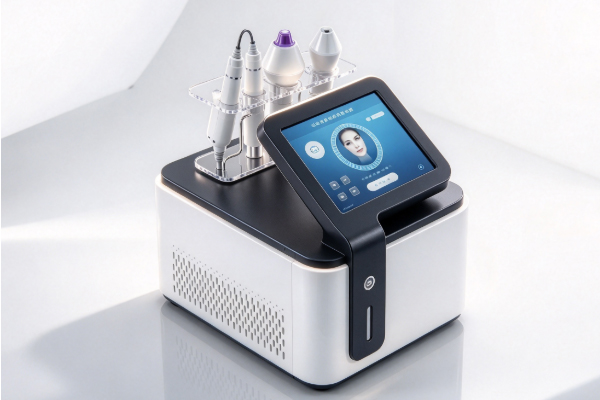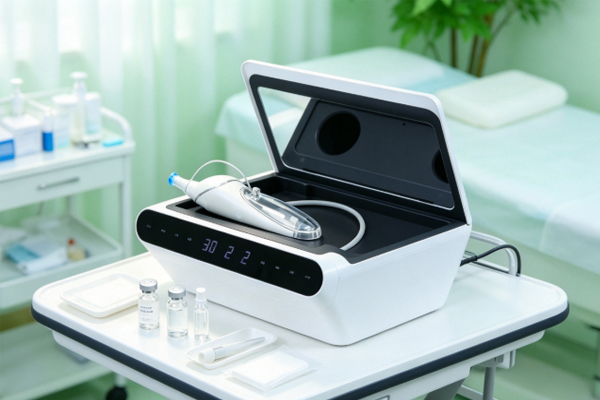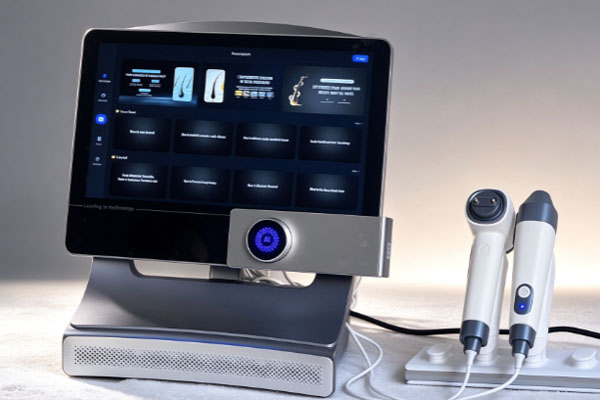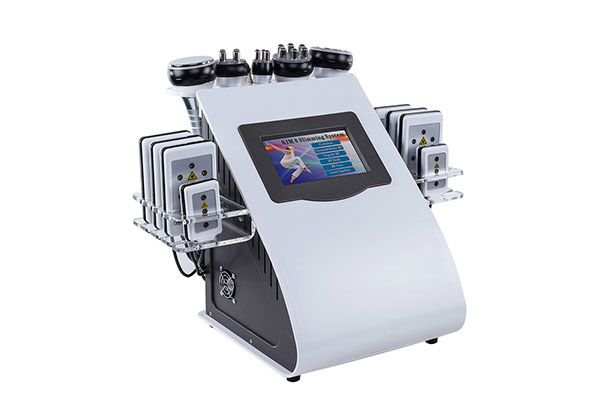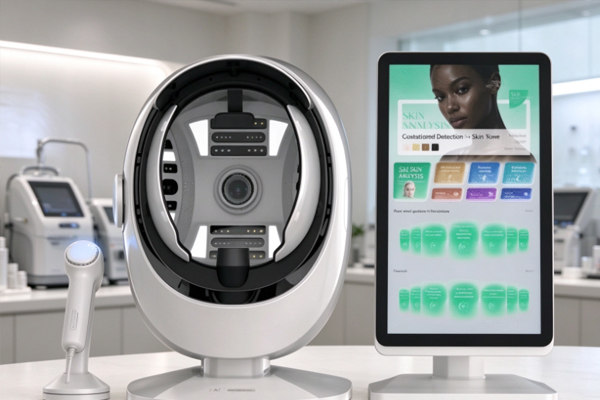
A hair analyzer is suitable for personal care, especially for people who want to regularly observe scalp conditions, understand changes in hair appearance, and record their daily scalp care routines. These devices typically use cameras, optical magnification, and image display technology to present details of the scalp and hair surfaces that are difficult to see with the naked eye. They help users observe visible features such as scalp oil, flakes, hair thickness, and hair distribution. Some devices also support image storage, video observation, and inspection record management, making it easier to compare images captured at different times.
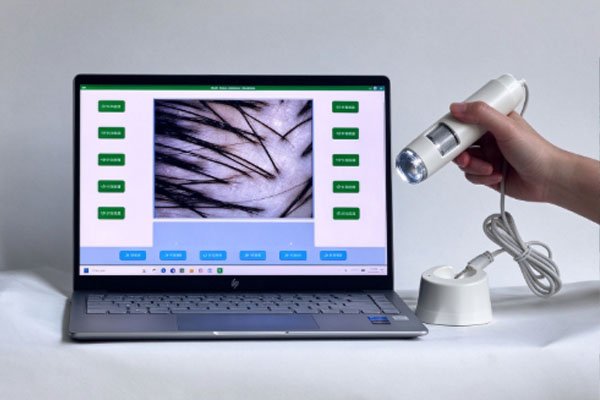
With the growing use of USB hair analyzers and portable scalp inspection devices, individuals can also perform basic hair observations at home without having to visit a professional care center every time. However, hair analyzers are primarily designed for image observation and condition recording. They cannot independently diagnose the causes of hair loss, follicular diseases, or scalp inflammation. When using these devices at home, users should learn the correct operating procedures, keep the lens clean, and capture images under similar lighting and shooting conditions whenever possible. Proper use of a hair analyzer can help users better understand visible changes in their scalp and hair, providing a reference for daily cleansing, hair care product selection, and professional consultation.
What Are the Practical Uses of a Hair Analyzer for Personal Care?
The primary value of a hair analyzer lies in magnified observation and image recording. An ordinary mirror usually reveals only part of the condition of the hair surface and scalp, whereas a hair analyzer can display localized details, helping users observe areas around the hair roots, the scalp surface, and hair arrangement more clearly. For people who want to understand their scalp conditions, these devices can serve as useful tools for daily care.
Observing the Scalp Surface and Oil Conditions
Scalp oil production, flake distribution, and surface texture are among the easiest features to observe when using a hair analyzer at home. By displaying magnified local images, the device helps users check for visible oiliness, noticeable flakes, or localized signs of dryness on the scalp.
Observing oil reflections: Check whether specific scalp areas appear noticeably shiny. However, the degree of reflection is also affected by light source brightness and shooting angle.
Checking visible flakes: Observe whether obvious white flakes are present on the scalp surface and record changes in appearance before and after washing and care.
Recording localized conditions: Save images of the crown, hairline, or other areas that require attention for future comparison.
These observations are suitable for daily records, but a single magnified image cannot determine whether a scalp condition is a disease. If persistent itching, redness, swelling, significant flaking, or pain occurs, consult a dermatologist promptly.
Who Is Suitable for Using a Hair Analyzer at Home?
Personal users do not necessarily need professional inspection knowledge to use a hair analyzer, but they should understand its intended purpose. For people who want to examine their scalp appearance, track hair changes, or improve daily care habits, portable devices offer practical value. When selecting a product, consider the frequency of use, observation requirements, and operating conditions to avoid purchasing a device with complex functions that are difficult to use.
Suitable for People Concerned About Scalp Cleanliness and Hair Changes
If you frequently experience an oily scalp or visible flakes, or want to record changes in the appearance of areas such as the hairline and crown, a hair analyzer can be used for regular observation. The device helps users examine details that are difficult to distinguish with the naked eye and incorporate the images into their personal care records. For people experiencing hair thinning, magnified images can assist in observing local hair distribution and differences in hair thickness. However, hair density may naturally vary between different areas, and shooting angles, hair parting methods, and lighting can also change the visual results. Therefore, the images displayed by the device alone cannot determine the severity of hair loss or whether hair follicles are normal.
Ease of Operation Should Be a Priority for Home Use
Personal care generally does not require complicated professional inspection procedures. Therefore, ease of connection, image clarity, and software usability are all important considerations.
USB connection and compatibility: Confirm whether the device can connect to a personal computer or another designated terminal, and verify the operating system and software requirements.
Magnification and illumination functions: Choose a device that clearly displays scalp and hair surface details, provides appropriate brightness, and allows convenient adjustments.
Image storage functions: If long-term records are needed, confirm whether the software supports image storage, categorization, and export.
For first-time users, devices with simple controls, easy-to-clean lenses, and stable illumination are generally easier to incorporate into daily care routines. Before purchasing, review actual imaging examples and confirm that the functions listed in the product specifications meet your personal needs.
How Can Individuals Use a Hair Analyzer Correctly?
The observation results of a hair analyzer depend not only on device specifications but also on how it is used. Scalp cleanliness, hair separation, the distance between the lens and skin, and light source and exposure settings can all affect the final image. Establishing a relatively consistent operating routine helps reduce variations between repeated observations.
Capture Images According to a Consistent Procedure
Before use, read the product instructions to understand the correct connection method, lens handling requirements, and cleaning procedures. When capturing images, choose an environment with stable lighting and keep the observation position, angle, and illumination settings as consistent as possible each time.
For personal use, follow these steps:
- Clean the parts of the device that come into contact with the skin and ensure that the lens surface is free of dust, oil, and residue.
- Connect the device to a computer or designated terminal according to the instructions, open the accompanying software, and check whether the image is clear.
- Part the hair as needed and slowly move the device over the scalp area being observed, avoiding excessive pressure on the skin.
- Save images of areas that require ongoing observation and record the capture date and relevant care routine at the time.
If the device needs to contact the scalp, follow the manufacturer’s hygiene requirements and do not share contact components with others unless they have been properly cleaned and disinfected. Avoid repeated contact with irritated areas if the skin is broken or there is noticeable redness, swelling, or pain.
Frequently Asked Questions
Q1: Is It Necessary to Use a Hair Analyzer Every Day to Observe the Scalp?
Daily checks are generally unnecessary. For routine personal care records, images can be captured periodically according to individual needs, provided that observation conditions remain consistent. Checking subtle changes too frequently can lead to misleading impressions caused by differences in lighting, shooting positions, and hair distribution. If persistent or noticeable abnormal changes occur, seek professional assessment rather than simply increasing the inspection frequency.
Q2: Can a Home Hair Analyzer Identify the Cause of Hair Loss?
No, not on its own. A hair analyzer can help users observe hair appearance, local distribution, and scalp surface characteristics. However, hair loss may be associated with factors such as genetics, hormonal changes, nutritional status, medication use, or scalp diseases. Images from the device provide only limited visual information and cannot replace a doctor’s consultation, physical examination, or necessary medical tests.
Q3: What Should You Focus on When Purchasing a USB Hair Analyzer?
Pay particular attention to actual image clarity, magnification range, light source configuration, software compatibility, and image storage functions. If you need to record scalp conditions over an extended period, also confirm whether the device can capture images consistently and whether the software supports convenient file management. For personal care, there is no need to pursue the highest possible magnification alone. The ability to observe the target area clearly and operate the device conveniently is usually more important.
A hair analyzer is suitable for daily personal care because it helps users observe the scalp surface, visible flakes, oil reflections, and hair distribution while recording changes in appearance over time through image storage. For people concerned about scalp cleanliness, hair conditions, and daily care habits, home-use or USB hair analyzers can provide a practical visual aid. When selecting a device, consider image clarity, light source stability, connection methods, software functions, and cleaning requirements according to your needs. During use, keep image capture conditions as consistent as possible. Remember that a hair analyzer is an observation aid and cannot replace medical diagnosis. If persistent hair loss, scalp redness, significant itching, or other abnormal symptoms occur, seek professional medical assistance promptly.