The light source type of a hair analyzer directly affects image clarity, color reproduction, detail presentation, and the ability to observe scalp conditions. Hair analyzers typically use optical magnification and image capture technology to help users examine hair shaft morphology, follicle distribution, scalp surface conditions, and hair density. Different light sources vary in brightness, color temperature, illumination coverage, and reflection control. Even when the same camera and magnification are used, different light sources may produce different visual results.
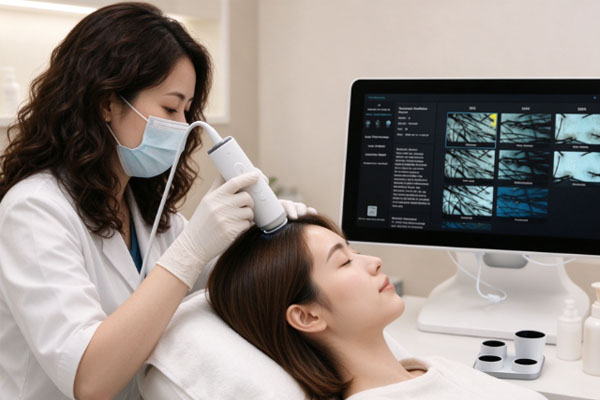
In beauty care institutions, scalp care centers, and professional hair analysis settings, a light source does more than provide illumination. It also affects the stability of image capture. For example, excessive light may cause strong reflections on the scalp surface, making local details difficult to distinguish. Insufficient light may blur hair edges and reduce image readability. Therefore, when selecting a hair analyzer, users should consider not only magnification, camera resolution, and software functions but also the light source type, illumination modes, and brightness adjustment capabilities. A suitable lighting configuration helps produce clearer and more consistent images, providing a reliable visual reference for scalp observation, hair condition records, and comparisons before and after care.
What Are the Common Light Source Types Used in Hair Analyzers?
Hair analyzers commonly use LED light sources. Some devices also combine different illumination colors, polarization structures, or switchable lighting modes to accommodate the observation needs of the scalp and hair. Different light source types can produce variations in image brightness, color, and surface texture. The appropriate option should be selected according to the intended inspection purpose.
White LED Light Sources
White LED light sources offer relatively stable brightness, low energy consumption, and limited heat generation, making them a common lighting solution for hair analyzers. Their primary function is to provide visible illumination so that hair, scalp surfaces, and structures around hair follicles can be captured by the camera.
Observing hair morphology: Helps identify hair shaft thickness, arrangement, and certain surface characteristics.
Examining the scalp surface: Assists in observing scalp color, flakes, oil reflections, and local textures.
Supporting routine inspections: Suitable for image capture before scalp care, basic condition recording, and visual comparisons after care.
The actual performance of a white LED light source also depends on color temperature, color rendering performance, illumination uniformity, and camera white balance. Higher brightness does not necessarily mean clearer images.
Polarized Light Sources
Some professional hair analyzers use polarized illumination or cross-polarization structures to reduce specular reflections caused by scalp oils, moist skin areas, and other surface conditions. Compared with ordinary illumination, an appropriate polarization configuration can make certain textures that would otherwise be obscured by reflections easier to distinguish. However, polarized light does not eliminate all reflections, nor can it independently improve the actual optical resolution of a device. Its effectiveness depends on the polarization configuration of the light source and lens, the condition of the observed surface, and the optical design of the device. When purchasing equipment, users should confirm whether the device has the relevant polarization function rather than judging image quality solely by optical terminology used in product descriptions.
How Do Different Light Sources Change the Image Quality of Hair Analyzers?
A light source determines not only whether an image is sufficiently bright but also how light reflected from an object’s surface enters the lens. For devices designed to observe fine hair structures, illumination uniformity, color stability, and reflection control are equally important. If images captured at different times use different brightness or color settings, visual differences may occur and affect comparisons of hair conditions.
The Importance of Brightness and Uniformity
When a light source is insufficiently bright, images may show unclear details in dark areas, increased noise, or indistinct hair edges. Excessively strong local illumination may create overexposed areas that obscure some scalp textures. Uneven illumination can also cause brightness differences between the center and edges of an image, reducing comparability between different areas.
When selecting a hair analyzer, users can focus on the following points:
- Whether the light covers the main observation area and whether the image edges become noticeably darker.
- Whether details such as overlapping hair strands and areas around the hair roots are clearly visible.
- Whether brightness can be adjusted appropriately according to scalp conditions and ambient lighting.
- Whether image brightness remains stable when the same area is captured repeatedly.
For institutions that need to record inspection results over time, consistent illumination is more practical than simply pursuing high brightness.
The Relationship Between Color Temperature and Color Reproduction
Light sources with different color temperatures may change the visual tones of the scalp and hair in captured images. A warm light source may give images a yellowish appearance, while a cool light source may make them look bluish. Camera white balance, image processing algorithms, and display settings also affect the final colors. When a hair analyzer is used to observe scalp color, hair shaft color, or localized skin conditions, users should pay attention to color consistency between the light source and the imaging system. If the device supports fixed white balance or standardized image settings, these features can help reduce color variations between images captured at different times. However, image color can only serve as a visual reference. Color differences alone cannot determine hair follicle health, skin diseases, or the specific causes of hair problems. When medical assessment is required, qualified professionals should evaluate the condition alongside other examination findings.
How Can You Choose the Right Light Source for a Hair Analyzer Based on Your Needs?
The lighting configuration should correspond to the device’s primary purpose. Equipment used for routine scalp care generally requires clear, natural images that can be captured consistently. Devices used for detailed observation or professional inspection may place greater emphasis on reflection control, switchable illumination modes, and image standardization capabilities.
Determine Lighting Requirements Based on Inspection Needs
If the primary purpose is to observe the scalp surface, hair arrangement, and reflections caused by scalp oils, consider LED light source equipment with uniform illumination and adjustable brightness. If the work frequently involves examining scalp areas with noticeable reflections, further investigate whether polarized illumination can improve image presentation.
Beauty salons and hair care institutions: Focus on ease of operation, image clarity, and consistent performance during routine use.
Scalp care centers: Focus on reflection control, image storage functions, and consistency between images captured before and after care.
Equipment purchasers and distributors: Focus on lighting configurations, camera specifications, software compatibility, accessory availability, and after-sales support.
Evaluate Device Performance Through Actual Imaging Tests
Product specifications can help with preliminary screening, but different devices use different lenses, sensors, light source layouts, and image processing methods. Therefore, image quality cannot be determined solely by the light source name or the number of LED beads. Before purchasing, ask the supplier to demonstrate the device in operation and compare images captured under similar observation conditions. During testing, check whether hair edges are clear, whether large areas of the scalp appear overexposed, whether image colors look natural, and whether illumination is uniform across different areas. If the device is intended for long-term monitoring, also check image consistency across repeated captures and confirm whether the software can save images and related inspection records. For USB hair analyzers that connect to a computer, verify driver availability, software compatibility, lighting control methods, and image export functions to ensure that the light source, camera, and software work together effectively.
Frequently Asked Questions
Q1: Does a Brighter Light Source Always Provide Better Observation Results with a Hair Analyzer?
Not necessarily. Moderately bright, evenly distributed light is more conducive to displaying details. Excessive brightness may cause reflections or localized overexposure, making some textures difficult to distinguish. When selecting a device, consider the brightness adjustment range, illumination uniformity, and camera exposure control capabilities together.
Q2: Can an Ordinary LED Light Source Meet Routine Scalp Inspection Needs?
For routine scalp observation, hair arrangement recording, and basic image capture, a properly configured white LED light source can generally meet the requirements. However, if inspections require reduced surface reflections or more consistent image comparisons, consider equipment with polarized illumination or multiple lighting modes.
Q3: Why Do Image Colors Change After Replacing the Light Source of a Hair Analyzer?
Replacing the light source may change the spectral distribution of the light illuminating the scalp and hair, resulting in different image tones. Camera white balance, exposure settings, and software processing may also contribute to these differences. Before conducting inspections, keep the light source mode, brightness, and capture settings as consistent as possible to avoid mistaking changes in illumination for changes in scalp conditions.
The light source type of a hair analyzer does affect image quality, particularly in terms of image brightness, illumination uniformity, color reproduction, surface reflection, and detail visibility. White LED light sources are suitable for routine hair and scalp observation, while polarized illumination can help reduce certain surface reflections. However, the final performance still depends on the combined design of the light source, lens, camera, and software. When selecting equipment, consider the intended inspection purpose, actual imaging performance, brightness adjustment capabilities, image recording functions, and after-sales service. If you need to purchase a USB hair analyzer or professional scalp inspection equipment, consult the supplier about the light source type, polarization functions, magnification, software compatibility, and sample testing conditions before selecting a configuration that meets your actual requirements.