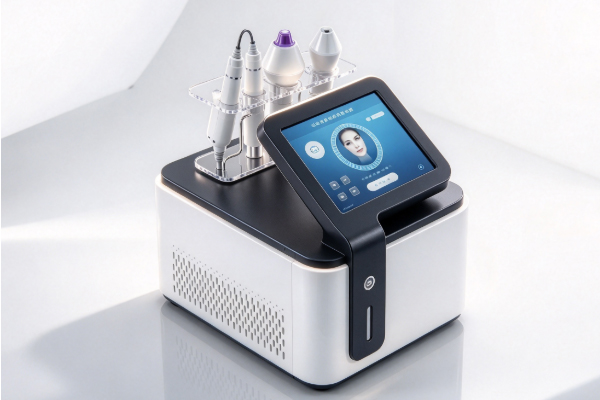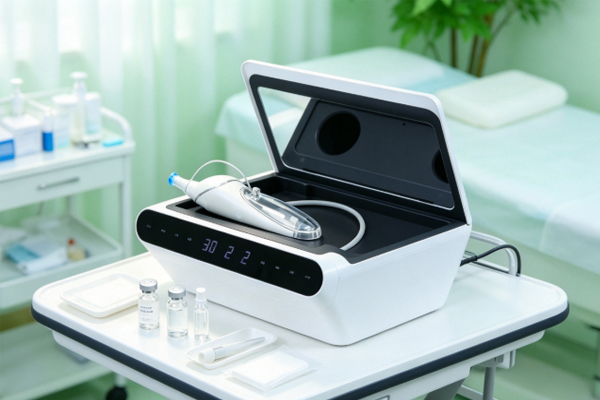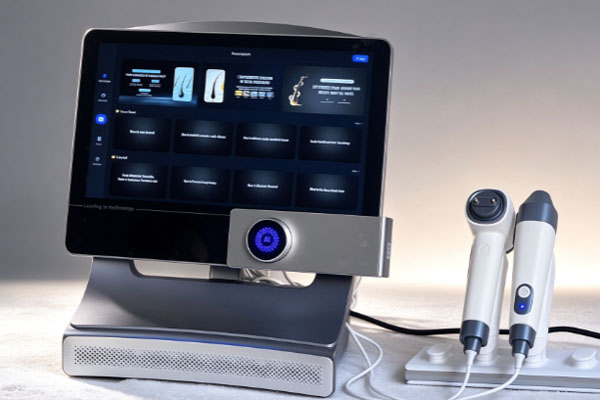
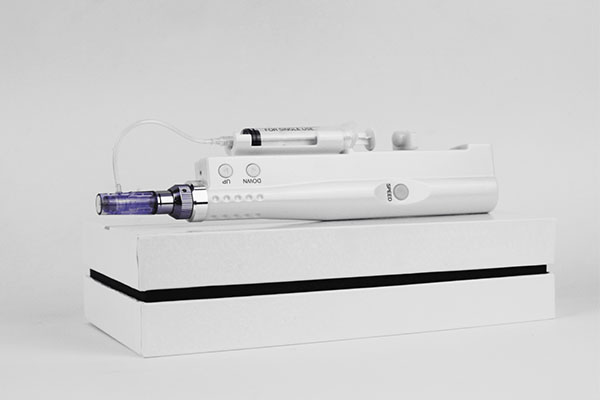
A microneedling pen is a beauty device that uses fine needles to create controlled micro-injuries in the skin. It is commonly used in professional aesthetic and skin care settings. Depending on the device type, needle configuration, and treatment protocol, microneedling may help improve the appearance of certain acne scars, fine lines, and uneven skin texture.However, different facial areas vary in skin thickness, sensitivity, and treatment requirements. Understanding which areas may be suitable for microneedling can help professionals develop more appropriate treatment plans.
Which Main Facial Areas Can a Microneedling Pen Treat?
Cheeks: Acne Scars and Skin Texture Improvement
The cheeks are among the most common areas considered for microneedling treatments. Following a professional assessment, microneedling may help improve the appearance of certain acne scars and uneven skin texture.
For individuals with depressed acne scars or irregular skin texture, a qualified professional can evaluate the type of scarring, current skin condition, and device specifications before recommending treatment.
However, microneedling is not suitable for every type of acne-prone skin. Treatment should be avoided on areas with active inflammation, infection, or significant skin damage.
Forehead: Fine Lines and Uneven Skin Texture
The forehead may develop expression lines, rough texture, and other visible signs of skin aging. When appropriate for the device and the individual’s skin condition, microneedling may help improve the appearance of certain fine lines and textural irregularities.
Different parts of the forehead may have different treatment requirements. Areas near the hairline and between the eyebrows also require careful handling. Professionals should follow the device manufacturer’s instructions when selecting needle settings and treatment parameters.
Nose: Pore Appearance and Skin Texture Management
The nose typically has active sebaceous glands, and many people are concerned about visible pores and uneven texture around the nose and nostrils. However, enlarged pores do not automatically indicate that microneedling is appropriate. Suitability depends on the underlying concern and the individual’s skin condition.
The nasal tip and creases around the nostrils can be challenging to treat because of their contours and limited working space. Hygiene, precision, and careful monitoring of skin reactions are essential. A microneedling pen should not be considered a universal solution for blackheads or every type of pore-related concern.
Chin: Localized Skin Texture and Acne Scar Care
The chin may develop acne scars, uneven skin texture, and other visible skin irregularities. For suitable acne scars, a qualified professional can assess whether the chin should be included in a broader facial treatment plan.
If the chin has inflamed pimples, broken skin, or an active infection, the underlying condition should be addressed before considering microneedling.
Perioral Area: Fine Line Care
The skin around the mouth is frequently affected by facial movements and may develop fine lines and textural changes. Under appropriate conditions, microneedling may help improve the appearance of certain wrinkles, but not every concern around the mouth is suitable for this treatment.
Because this area can be sensitive, treatment must avoid the oral mucosa, active cold sores, and damaged skin. Professionals should follow the device’s approved treatment areas and operating instructions.
Can a Microneedling Pen Be Used Around the Eyes?
The Eye Area Requires Extra Caution
The skin around the eyes is relatively delicate and lies close to the eyeballs and other sensitive structures. Although certain professional microneedling devices may be indicated for specific facial wrinkles, this does not mean that every microneedling pen is suitable for the eye area.
The eyelids should never be treated simply because a device is designed for facial use.
Avoid Self-Treatment on the Eyelids and Under-Eye Area
Do not use a microneedling pen on the eyelids, directly along the lash line, or close to the eyeball without specific professional authorization and an appropriate device indication.
Treatment around the eyes should be assessed and performed by a suitably qualified professional who has received relevant training and follows the manufacturer’s instructions.
How to Choose a Microneedling Treatment Plan for Different Facial Areas
Match the Treatment Area to the Skin Concern
Different skin concerns require different approaches. Acne scars, fine lines, and uneven skin texture should be assessed individually rather than treated by simply increasing the number of passes or needle depth.
A professional assessment helps determine whether microneedling is appropriate and whether alternative treatments may be more suitable.
Follow Device Specifications and Professional Guidance
Microneedling pens vary in needle configuration, operating depth, and approved treatment areas. Before use, check the manufacturer’s instructions, intended purpose, and applicable regulatory requirements.
Settings designed for one device should not automatically be applied to another model. Treatment parameters must be selected according to the specific device and individual assessment.
Prioritize Pre-Treatment Assessment and Aftercare
Individuals with active infections, inflammatory skin conditions, significant skin damage, or a history of keloid scarring should consult an appropriate medical professional before considering treatment.
After microneedling, follow professional guidance on skin recovery, sun protection, and other aftercare requirements. Single-use needle cartridges must never be reused, and skincare products should not be introduced into the skin during microneedling unless their suitability for that specific procedure has been established.
Choosing the Right Facial Areas for Microneedling
A microneedling pen may be used under appropriate conditions to address specific skin concerns on the cheeks, forehead, nose, chin, and selected areas around the mouth. However, suitability depends on the individual’s skin condition, the device’s approved applications, and professional assessment. Sensitive areas, particularly around the eyes, require additional caution.
For beauty clinics and aesthetic professionals, selecting a suitable microneedling pen involves more than evaluating device performance and needle configurations. Hygiene management, operator training, and compliance with applicable treatment guidelines are equally important.
With appropriate treatment planning and risk management, professionals can provide more targeted care for different facial areas while prioritizing skin safety.