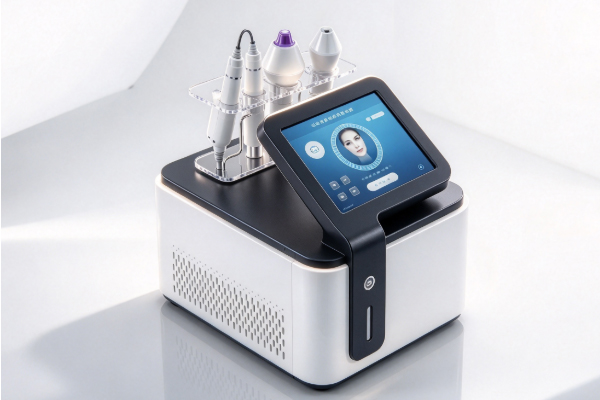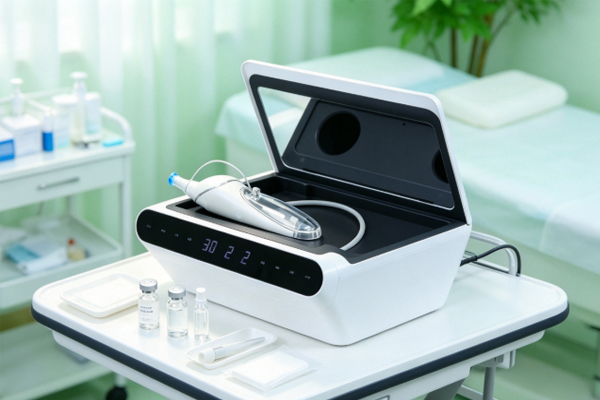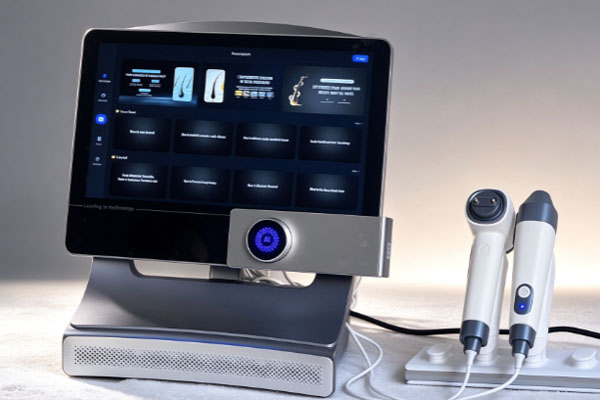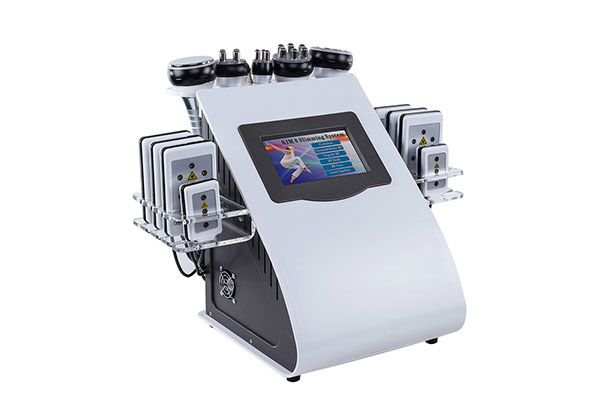
A Plasma Pen is a beauty device that uses plasma discharge technology to perform procedures on the skin’s surface. It is commonly referred to as an aesthetic plasma pen or plasma beauty device. In the beauty equipment market, these products are often associated with procedures intended to improve certain aspects of skin appearance. Their operating principles, energy output, and permitted applications vary depending on the device model. A Plasma Pen typically uses a pen-shaped handpiece to generate localized plasma discharge through electrical energy, producing a controlled thermal effect on the skin’s surface. Because the device involves energy delivery and potential risks to skin tissue, buyers need to understand more than its basic working principle. Device construction, operating requirements, intended use, compliance documentation, and safety management are also important considerations. For aesthetic clinics and beauty equipment distributors, understanding the technical characteristics of Plasma Pens helps determine whether a product meets their operational requirements.
What Is a Plasma Pen and How Does It Work?
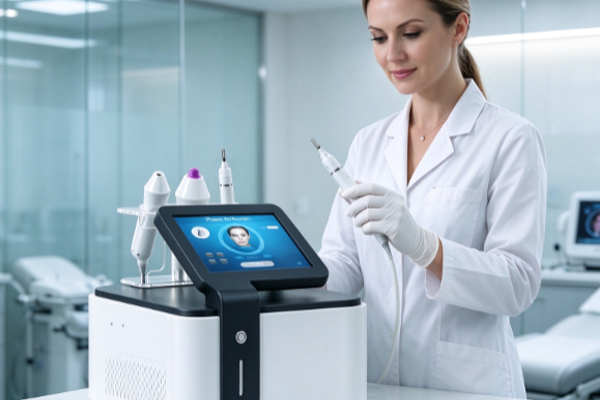
A Plasma Pen is a handheld device that generates plasma discharge using electrical energy. Plasma is commonly described as the fourth state of matter. Under specific electrical field conditions, some particles in a gas become ionized, creating a state containing charged particles. Certain Plasma Pen devices generate localized discharge between the handpiece tip and the skin, producing a thermal effect on the targeted area. The specific discharge mechanism, output parameters, and operating method depend on the device design, so not all products use exactly the same technology.
These devices must be operated according to the parameters and procedures specified by the manufacturer. Localized discharge may cause small areas of thermal injury on the skin’s surface, and some products may leave visible pinpoint marks or scabs in treated areas. The degree of skin response depends on the device’s output, operating distance, exposure time, skin condition, and operator skill. Users should not judge a device’s energy intensity or safety solely by its name, nor should plasma technology automatically be considered non-invasive skincare. Before purchasing a device, buyers should review the technical documentation for the specific model and confirm its intended use, operating limitations, and manufacturer-defined safety requirements.
What Are the Common Cosmetic Applications of Plasma Pens?
Plasma Pens are frequently associated with cosmetic procedures intended to improve skin appearance. However, their actual applications must be determined by the specific device design, manufacturer instructions, and applicable local regulations. Different products may have significantly different energy outputs, handpiece structures, and permitted treatment areas. Buyers should not assume that every Plasma Pen is suitable for the same cosmetic procedures. For aesthetic clinics, understanding the device’s officially documented intended use is more important than relying solely on promotional materials.
Common applications described in the market include:
- Skin appearance improvement: Some devices are marketed for improving localized skin appearance. Their actual indications and expected results must be evaluated against product documentation and applicable regulatory requirements.
- Fine-line appearance: Certain products are promoted for cosmetic procedures targeting the appearance of fine lines. Results vary between individuals, and treatment may involve a recovery period and potential adverse reactions.
- Localized skin-tightening procedures: Some devices associate localized thermal effects with skin-tightening services. However, these claims do not guarantee collagen production, long-term tightening, or specific treatment outcomes.
- Professional aesthetic equipment training: For facilities legally permitted to perform the relevant procedures, operator training, risk recognition, and post-procedure care knowledge are important parts of establishing standardized service protocols.
Plasma Pens are not suitable for every skin type or every treatment area. Sensitive areas, particularly around the eyes, require special consideration. Whether a device can be used in these areas must be determined by its authorized intended use, explicit manufacturer instructions, and professional operating protocols. Buyers should not use a device for areas or procedures that are not covered by its instructions merely because a sales representative recommends it.
How Is a Plasma Pen Different from Conventional Beauty Devices?
Plasma Pens differ significantly from common cleansing devices, skin infusion devices, and low-energy skincare equipment. Conventional beauty devices may use cleansing, vibration, light, or other energy-based methods, whereas Plasma Pens primarily rely on plasma discharge to produce localized effects. Some devices may cause thermal injury to the skin’s surface and result in scabbing and a recovery period. As a result, their risk management, operating requirements, and usage restrictions generally require careful evaluation.
When purchasing equipment, buyers should not judge technical quality solely by appearance, price, or product name. Plasma Pens from different brands may use different power supply designs, output control methods, handpiece structures, and safety protection mechanisms. Buyers should confirm that technical specifications are clearly documented, appropriate control and protection features are provided, and the manufacturer supplies complete operating instructions, maintenance guidelines, and risk warnings. It is also important to understand the device’s regulatory classification and permitted applications in the target market, as requirements for aesthetic equipment vary between countries and regions. Devices supported by reliable technical documentation and clearly defined service arrangements are generally easier to evaluate and manage over time.
What Safety Precautions Should Be Followed When Using a Plasma Pen?
Plasma Pens involve localized discharge and thermal effects. Improper operation may cause skin burns, hyperpigmentation or hypopigmentation, infection, persistent redness, and scarring. Recovery depends on skin condition, treatment location, energy settings, operator technique, and post-procedure care. Even when a device includes output control features, operating risks cannot be completely eliminated. Users should therefore receive the necessary training in accordance with manufacturer instructions and applicable regulations, and they should understand the product’s intended use and associated risks before performing procedures.
Important safety measures include:
- Verify the intended use: Before operation, confirm the device’s authorized or permitted applications, suitable treatment areas, contraindications, and operator requirements. Do not use the device beyond its specified scope.
- Assess skin condition: Evaluate the skin and potential risks according to the device instructions and professional requirements. If infection, open wounds, or other unsuitable conditions are present, seek an assessment from a qualified professional before proceeding.
- Follow operating protocols: Use the device strictly according to the manufacturer’s specified parameters, operating distance, exposure time, and protective measures. Do not experiment with unvalidated settings.
- Maintain hygiene and equipment condition: Clean and maintain the device and associated accessories according to the instructions, follow applicable infection-control requirements, and regularly inspect the handpiece, power supply, and connection components.
- Follow post-procedure care instructions: Provide appropriate skin care under professional guidance and avoid picking or removing scabs. Seek medical assessment promptly if severe pain, significant swelling, signs of infection, or unusual persistent reactions occur.
A Plasma Pen should not be treated as an ordinary home beauty tool that can be operated casually. If the device is intended for medical use or specific skin procedures, it should be operated by professionals who meet applicable local regulatory requirements and follow relevant safety protocols.
How Should Buyers Choose a Plasma Pen Device?
For beauty equipment purchasers, aesthetic clinic operators, and distributors, choosing a Plasma Pen requires a comprehensive evaluation of product documentation, quality management, operational safety, after-sales service, and market access requirements. Price is a useful reference point, but it should not be the sole selection criterion. Device configuration, output control, manufacturer technical support, accessory availability, and maintenance costs can all affect long-term use. Distributors entering a new market should also verify the documentation required for importing, selling, and advertising the product before purchasing it. This helps reduce the risk of discovering compliance problems after delivery.
Before placing an order, buyers should review the following items:
- Manufacturer information: Verify the manufacturing company, brand ownership, actual supplier, and party responsible for after-sales service. Ensure that the product’s origin and contractual responsibilities are clearly defined.
- Technical documentation: Request the user manual, technical specification sheet, maintenance guide, and risk warnings. Confirm that all documents correspond to the exact model being purchased.
- Quality and compliance documents: Depending on the device classification and target market, check applicable registrations, certifications, or conformity documents and verify their validity and scope.
- Training and after-sales support: Confirm the availability of equipment operation training, troubleshooting assistance, warranty service, and replacement accessories. Include important commitments in the purchase agreement.
- Compatibility with actual needs: Select a model according to the planned services, operating environment, staff capabilities, and budget. Avoid paying extra for features that are not required.
A Plasma Pen is a beauty device that uses plasma discharge technology to produce localized effects. Its specific functions and risks depend on its design, intended use, and operating method. For buyers, understanding the basic working principle, verifying product documentation, prioritizing safety training, and confirming regulatory requirements are more important than focusing exclusively on promotional claims. Choosing a supplier with clear technical documentation, reliable quality management, and ongoing support helps establish a more standardized equipment purchasing and operating process.