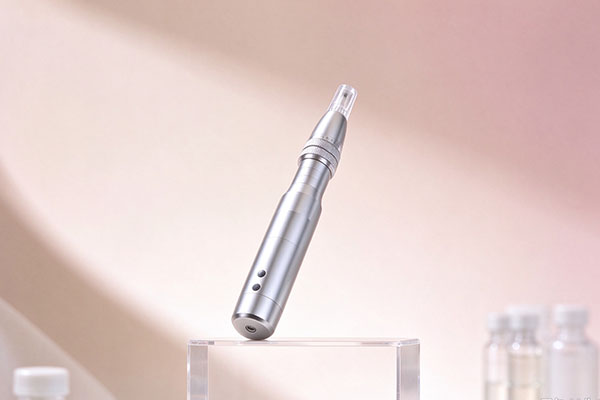
A microneedling pen is a commonly used device in professional beauty treatments. Its adjustable needle depth allows practitioners to select different operating settings according to the device design and intended application. Proper needle depth adjustment helps control the level of skin stimulation and improve treatment consistency.For beauty salons, skincare professionals, and beauty equipment buyers, understanding how to adjust needle depth, evaluate device specifications, and follow safety requirements is essential for using microneedling equipment appropriately and selecting products that meet different treatment needs.
How Do You Adjust the Needle Depth of a Microneedling Pen?
Understand the Device’s Depth Adjustment Mechanism
Different microneedling pen models may feature a rotary adjustment ring, a graduated dial, or an electronic control system. Some devices change the needle extension by rotating an adjustment ring on the pen body, while others allow users to configure the relevant settings through a control panel.
Before operating the device, carefully read the manufacturer’s instructions to understand the depth markings, available adjustment range, and correct adjustment procedure. Device structures and specifications may vary, so the adjustment method for one model should not automatically be applied to another.
Adjust the Settings According to the Manufacturer’s Instructions
For microneedling pens with mechanical adjustment rings, turn the ring slowly in the direction specified in the instructions and observe the changes in the markings. For devices with electronic controls, select the permitted settings through the designated interface.
Before making adjustments, ensure that the needle cartridge is installed correctly and that the device is in the safe state specified by the manufacturer. Avoid forcing any adjustment component. If the mechanism becomes stuck, the markings appear abnormal, or the cartridge feels loose, stop using the device and inspect it before proceeding.
It is also important to understand that the displayed needle depth does not necessarily equal the actual penetration depth. Skin thickness, contact pressure, and operating technique can all affect the actual penetration.
How Should You Select Needle Depth for Different Treatment Needs?
Basic Skin Texture Treatments
For professional treatments intended to improve rough skin texture, the appropriate setting should be selected according to the device’s intended application, the individual’s skin condition, and the manufacturer’s guidance. Shallower settings generally involve less penetration, but they do not eliminate all potential risks.
Do not select settings based solely on personal experience or assume that one specific depth is suitable for everyone.
Treatments for Fine Lines and Acne Scars
When addressing fine lines, uneven skin texture, or acne scars, practitioners should consider the type of skin concern, treatment area, skin thickness, and potential risks. Different concerns may require different treatment approaches, and simply increasing needle depth does not guarantee better results.
Procedures involving deeper penetration or scar treatment should be assessed and performed by appropriately qualified and trained professionals in accordance with applicable regulations.
Use Greater Caution in Sensitive Areas
The skin around the eyes and nose differs from that of the cheeks. The same settings should not automatically be applied to every area. For delicate, sensitive, or inflamed skin, practitioners should first determine whether microneedling is appropriate and follow all restricted-area and operating instructions provided by the manufacturer.
Microneedling should not be performed directly on areas affected by active acne, skin infections, open wounds, or significant inflammation.
What Should You Consider When Adjusting a Microneedling Pen?
Avoid Increasing Needle Depth Without Proper Assessment
A greater needle depth does not necessarily produce better treatment results. Excessive penetration may increase the risk of pain, bleeding, infection, inflammation, and pigmentation changes.
Needle depth should be selected according to the intended application, professional assessment, and safety requirements rather than the desire to achieve more intensive stimulation.
Inspect the Needle Cartridge and Device Condition
Before each treatment, check that the needle cartridge is compatible with the device model and that its packaging is intact and its sterile status is appropriate for use. Install the cartridge according to the manufacturer’s instructions.
Single-use sterile needle cartridges must never be reused, as reuse may increase the risk of cross-contamination and infection.
If the needles are bent, the cartridge is damaged, or the device operates abnormally, stop using the equipment immediately.
Follow Proper Treatment Procedures
Appropriate hygiene and infection prevention procedures should be followed before and after microneedling. After treatment, the skin may temporarily become red, dry, or sensitive. Moisturization, sun protection, and skin barrier care should follow professional guidance.
If persistent pain, significant swelling, unusual discharge, or other concerning symptoms develop, seek medical evaluation promptly.
What Specifications Should Buyers Consider When Choosing a Microneedling Pen?
For beauty salons, distributors, and professional beauty equipment buyers, selecting a microneedling pen involves more than checking its maximum needle depth. The following factors should also be evaluated:
- Depth adjustment precision: Clear markings and an intuitive adjustment mechanism.
- Operating stability: Consistent device performance that meets the manufacturer’s stated specifications.
- Needle cartridge quality: Confirmed compatibility, reliable manufacturing quality, and appropriate sterile packaging.
- Ergonomic design: Comfortable handling and an adjustment mechanism that is convenient for trained professionals.
- After-sales support: Product documentation, operating guidance, maintenance instructions, and a reliable supply of compatible accessories.
Aqual Beauty specializes in the development and manufacturing of beauty equipment and offers OEM/ODM cooperation services. Buyers can evaluate microneedling pen solutions according to their target markets, intended applications, needle configurations, and applicable regulatory requirements.
Conclusion
Adjusting the needle depth of a microneedling pen requires an understanding of the device’s design and operating instructions, followed by careful parameter selection based on the intended application, skin condition, and professional assessment. Adjustment methods and specifications vary between models, so a universal needle depth should not be used to guide every device or treatment scenario.
For professional beauty businesses, proper equipment operation, appropriate needle management, and well-established treatment procedures are just as important as depth settings. When purchasing a microneedling pen, evaluating adjustment precision, operating stability, cartridge quality, and manufacturer support can help improve operational consistency and safety.