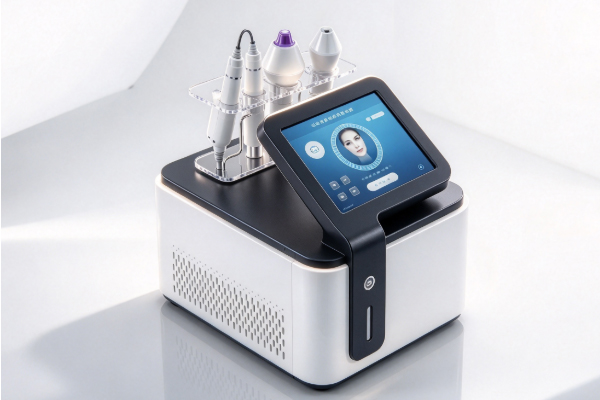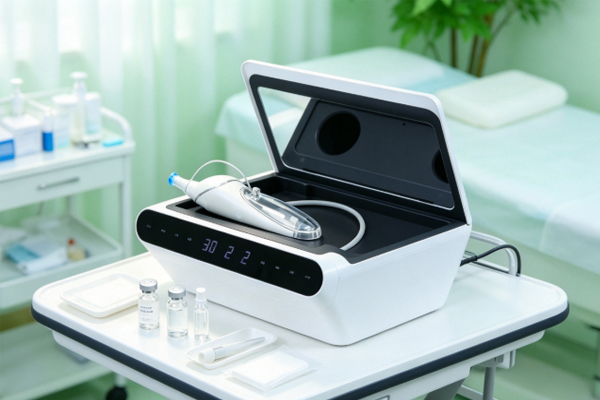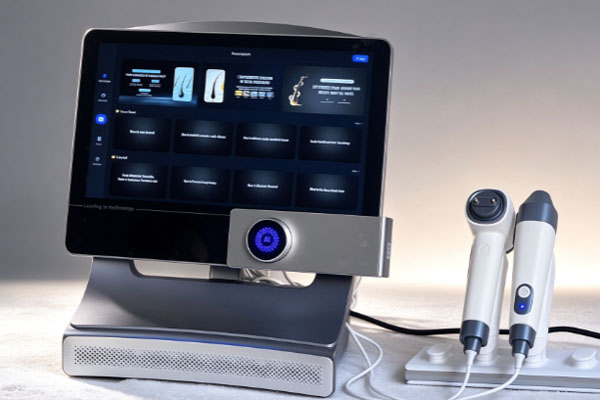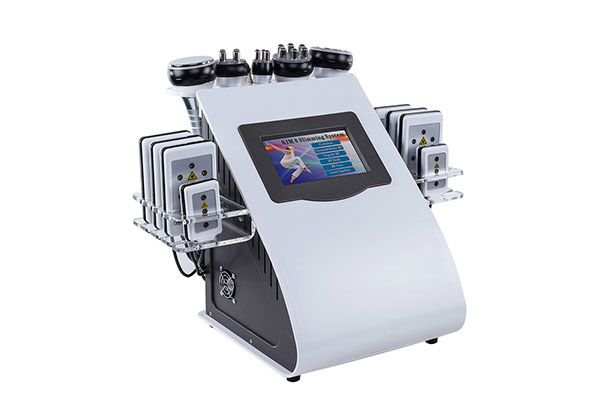
Why are fibroblast plasma devices attracting attention in the beauty industry? Their appeal lies in the energy technology they use and how that energy interacts with the skin. Common arc-based plasma pens use electrical discharge to create localized heat, while cold plasma devices rely on different technologies. These devices should not be treated as interchangeable. For beauty clinics considering this type of equipment, it is important to understand not only how the technology works but also energy control, probe design, operating safety, and after-sales support. Advanced features are only useful when the specifications are clear, the device can be operated properly, and its capabilities match the intended treatments.
How Do Fibroblast Plasma Devices Work?
Common arc-based plasma pens use electrical discharge technology. When the device is activated, the electric field ionizes the gas near the tip, creating a small discharge and localized heat.
- Electrical discharge: The device generates an electric field through its internal circuitry, producing a discharge near the tip.
- Localized thermal effects: A small arc can create a concentrated treatment point on the skin’s surface. The actual effect depends on the device design and output settings.
- Skin repair response: Following stimulation, the skin initiates a repair process. Fibroblasts participate in producing and remodeling collagen and other components of the extracellular matrix.
It is important to understand that the term “fibroblast” in a device’s name does not mean the equipment directly delivers fibroblast cells into the skin. Actual results depend on the device type, operating technique, and individual skin condition. The product name alone cannot determine its effectiveness.
What Is the Difference Between Fibroblast Plasma Pens and Cold Plasma Devices?
Although both types of equipment use the term “plasma,” their operating principles, energy characteristics, and intended applications may differ. Before purchasing, confirm which technology the product actually uses.
- Arc-based plasma pens: Use a small electrical arc to create localized thermal effects. They may cause superficial skin injuries and require professional assessment and controlled operation.
- Cold plasma devices: Use different plasma-generation methods and are generally designed to reduce thermal load. Their actual effects still depend on device design and operating parameters.
- Ozone-related devices: Some products incorporate ozone generation or related functions. Verify the exact configuration, intended use, and safety requirements before purchasing.
- Microneedling devices: Use fine needles to create microchannels in the skin. This is a different technology from plasma devices that operate through electrical discharge.
If a product advertises cold plasma, ozone, or arc discharge functions, do not assume these modes are interchangeable. Reviewing the technical specifications and user manual is more reliable than comparing marketing names alone.
What Beauty Treatments Are Fibroblast Plasma Devices Suitable For?
The intended applications depend on the specific model, product instructions, and local regulations. Some arc-based devices are used for certain superficial cosmetic procedures, but not every model is suitable for the same treatment areas or skin concerns. Before introducing a device, beauty clinics should confirm its intended use, operator qualifications, and relevant safety requirements.
Improper operation may cause burns, pigmentation changes, infection, or scarring. Sensitive areas, particularly around the eyes, require especially careful assessment. When evaluating a device, do not focus only on its energy output. Check whether the settings are controllable, the instructions are complete, and appropriate training and maintenance support are available.
How to Choose a Fibroblast Plasma Device: Which Specifications Matter?
Prices and configurations can vary considerably between devices. Rather than choosing a product simply because it offers more features, beauty clinics should verify the technology, practical requirements, and long-term operating costs.
- Energy output and control: Review the output parameters, adjustment methods, and operating instructions to ensure the settings are clearly explained.
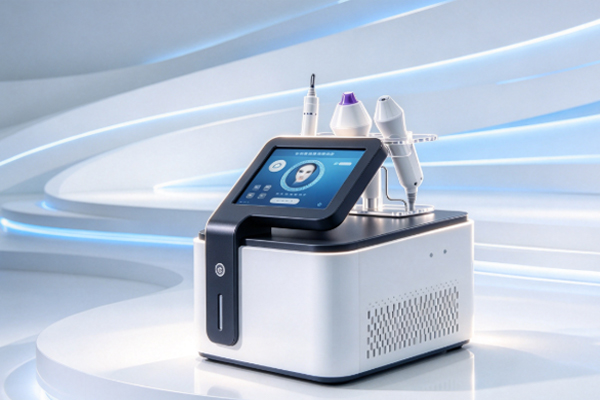
- Probe design: Ask about probe specifications, replacement procedures, maintenance requirements, and accessory availability.
- Safety features: Check the electrical safety design, fault indicators, and completeness of the operating instructions.
- Clearly defined intended use: Confirm whether the product uses arc-based plasma, cold plasma, or another technology to avoid choosing the wrong device based on similar product names.
- Reliable after-sales support: Check warranty coverage, technical training, repair services, and replacement part availability to reduce equipment management difficulties after purchase.
When selecting professional beauty equipment, it is worth carefully reviewing both the underlying technology and the actual configuration. If you are choosing a device for a beauty clinic, start by identifying the treatments you plan to offer, then ask for detailed specifications, operating requirements, consumable information, and after-sales support.
Keep in mind that fibroblast plasma devices and mesotherapy guns are different types of equipment. Their technologies should not be considered equivalent simply because both are used in the beauty industry. If you are also evaluating professional injection devices, ask about the injection mechanism, dosage and speed controls, and accessory compatibility to help identify a product that better matches your business needs.