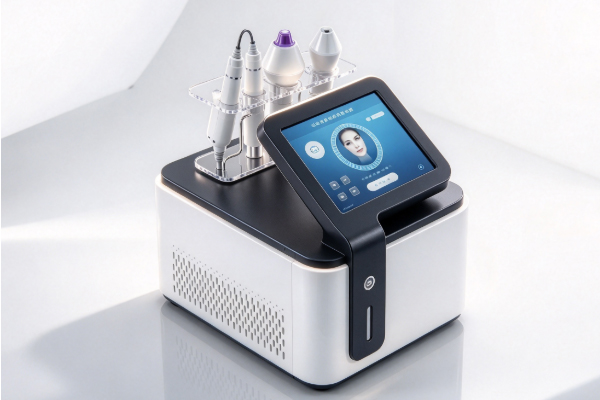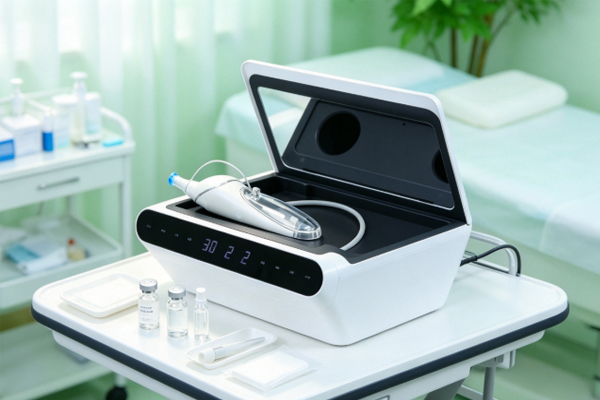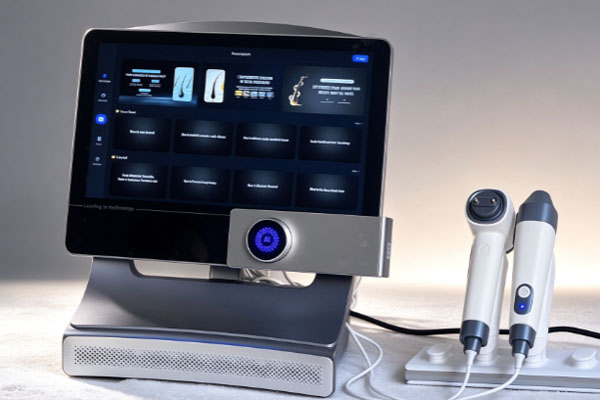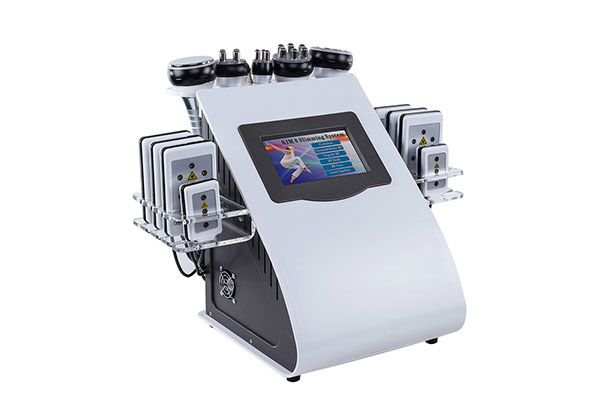
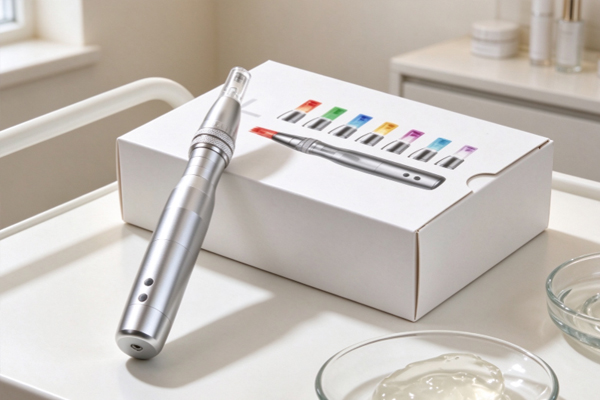
Microneedling pen treatments affect the skin barrier, and repeatedly treating the same area may increase local irritation and the risk of skin damage. To minimize unnecessary repetition, a standardized process should cover pre-treatment assessment, area planning, equipment management, and post-treatment observation. Invasive microneedling procedures used for medical aesthetics should be performed by appropriately qualified professionals in medical institutions that comply with local regulations. Ordinary beauty salons must not perform procedures beyond their permitted scope. Clearly defining the management requirements for each stage helps reduce procedural risks and improve consistency and traceability.
How Should Safety Preparations Be Made Before Using a Microneedling Pen?
Preparation affects both skin safety and the accuracy of subsequent area management. Clarifying the procedure’s scope and completing the necessary checks can reduce the need for adjustments during treatment.
Assess Skin Condition and Treatment Suitability
The skin should be carefully assessed before treatment to avoid performing procedures under unsuitable conditions.
- Check skin integrity: Examine the skin for damage, significant inflammation, or signs of infection. If any abnormalities are found, an appropriately qualified professional should assess whether treatment can proceed.
- Review relevant information: Consider the client’s previous treatments, skin sensitivity, and other factors that may affect recovery when determining suitability according to professional requirements.
- Define treatment goals: Develop an appropriate plan based on the client’s needs. Do not arbitrarily increase the number of passes over a specific area to pursue more noticeable immediate results.
Assessing suitability provides a clear basis for subsequent treatment and helps prevent unnecessary skin irritation.
Follow Hygiene Procedures and Check Consumables
Invasive procedures require strict contamination control, with hygiene management maintained throughout the treatment process.
- Prepare the environment: The treatment area should meet applicable medical hygiene requirements, with environmental cleaning and necessary aseptic measures carried out according to institutional protocols.
- Prepare the skin appropriately: Qualified personnel should prepare the skin in accordance with applicable standards and product instructions, avoiding unsuitable disinfection methods.
- Inspect needles and consumables: Confirm that needle packaging is intact and the products meet usage requirements. Single-use needles must never be reused. Do not use products with damaged packaging or other defects.
- Prevent cross-contamination: Manage equipment contact surfaces, treatment supplies, and waste appropriately to prevent contaminated items from coming into contact with areas awaiting treatment.
Proper hygiene preparation reduces contamination risks and establishes an essential safety foundation for the procedure.
How Can Repeated Coverage of the Same Area Be Reduced During Microneedling?
After completing safety preparations, practitioners should follow a predetermined treatment plan. Clear area boundaries and a consistent workflow can help prevent unplanned overlaps and unnecessary backtracking.
Plan Treatment Areas and Movement Routes in Advance
Clearly defining the treatment area helps prevent confusion. Divide the skin into areas according to the treatment scope and facial anatomy, and follow the professional treatment plan rather than changing the sequence arbitrarily. Plan the boundaries between adjacent areas in advance to avoid repeatedly passing over the same location. Where required by institutional procedures, use an area diagram or treatment record to mark completed sections and reduce the risk of losing track after an interruption. Clear planning supports a more consistent workflow and helps minimize unnecessary repetition.
Maintain a Consistent Workflow and Avoid Unplanned Additional Passes
Unexpected pauses and unplanned backtracking during treatment may increase the likelihood of repeatedly treating the same area.
- Become familiar with the equipment controls: Check the equipment’s operating status and control functions before treatment to reduce frequent pauses caused by unfamiliarity with the device.
- Verify incomplete areas: If treatment progress is unclear after an interruption, review the records and reassess the situation rather than immediately treating an area that may already have been completed.
- Follow operating requirements: Needle penetration depth, treatment technique, and treatment boundaries should be determined according to the equipment instructions, professional assessment, and applicable standards. Universal settings should not be applied indiscriminately.
Practitioners should prioritize standardized procedures and skin safety rather than simply aiming to finish more quickly.
How Can Process Management Reduce the Risk of Repeated Stimulation?
Clear treatment records help institutions track procedure progress and resume work accurately after interruptions. Process management should focus on information accuracy, clear responsibilities, and reliable equipment status.
Maintain Complete Treatment Records
Standardized documentation reduces reliance on individual memory and minimizes information gaps during handovers.
- Record key information: Document the treatment areas, significant events during the procedure, and skin responses according to institutional requirements. These records support subsequent assessments.
- Document interruptions and handovers: If treatment is paused for equipment checks or other reasons, record the current progress and the reason for the interruption. Confirm the remaining treatment areas before resuming.
- Protect client information: Store treatment records securely and manage personal information in accordance with applicable requirements. Prevent unauthorized access or disclosure.
Clear, timely records improve the traceability of the treatment process.
Strengthen Equipment Maintenance and Staff Training
Equipment condition and practitioner proficiency can affect treatment consistency, making ongoing management essential. Inspect and maintain equipment regularly according to the product instructions, and stop using it if abnormalities are detected. Manage the storage, use, and disposal of consumables properly to prevent interruptions caused by insufficient supplies or defective products. Provide training so personnel understand equipment requirements, area management procedures, and how to handle abnormal situations. Equipment maintenance and standardized training can help reduce workflow interruptions and unnecessary repeated treatment.
How Should Skin Be Monitored and Procedures Improved After Microneedling?
After treatment, the skin’s appearance should be assessed alongside the procedure records. Identifying abnormalities promptly and reviewing the treatment process can reveal potential risks and help prevent unnecessary additional stimulation.
Monitor Skin Responses and Provide Aftercare Guidance
Post-treatment monitoring should focus on skin recovery rather than judging results solely by local appearance.
- Observe local changes: Monitor redness, swelling, pain, and other unusual symptoms, and arrange a professional assessment based on the treatment circumstances.
- Avoid additional stimulation: If the skin’s appearance differs from expectations, do not attempt to correct it by treating the area again. An appropriately qualified professional should determine the next steps.
- Explain aftercare requirements: Provide guidance on suitable cleansing, skincare, and follow-up arrangements. If symptoms continue to worsen or signs of possible infection appear, the client should seek medical assessment promptly.
Appropriate aftercare guidance helps clients understand the precautions required during recovery and reduces risks associated with improper care.
Review Procedures and Make Continuous Improvements
Reviewing the treatment process helps institutions identify the causes of repeated coverage and improve weak points in their management systems.
- Identify the causes: Determine whether repetition resulted from unclear area boundaries, incomplete progress records, equipment problems, or insufficient training.
- Improve workflow requirements: Refine treatment documentation, equipment inspection, and procedures for handling abnormal events to ensure responsibilities are clearly defined.
- Maintain safety as the priority: Any changes to treatment parameters or techniques should be determined by appropriately qualified professionals in accordance with equipment instructions and applicable standards, rather than personal experience alone.
Regular reviews help improve process management and make standardized procedures easier to implement.
Avoiding repeated stimulation of the same area when using a microneedling pen requires an integrated approach involving skin assessment, hygiene management, area planning, progress records, and post-treatment monitoring. Area markings can help control treatment coverage, but they cannot replace professional judgment or infection control measures. Guangzhou Cosnext Technology Co.;Ltd can provide relevant product information and equipment selection support for organizations interested in beauty equipment, with all applications required to comply with product instructions and applicable regulations.