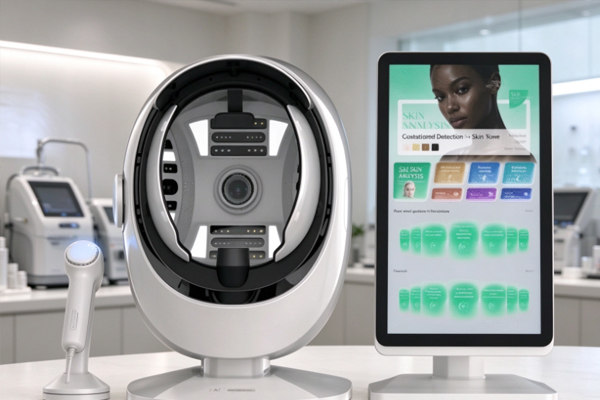
Skin condition involves multiple aspects, including skin tone, pigmentation distribution, pores, fine lines, and surface texture. Different features require corresponding methods of observation. AI skin analyzers combine image capture with intelligent recognition to convert visible facial features into structured analysis results, helping beauty clinics better understand the skin concerns of their clients. This process depends not only on algorithms but also on the imaging system, image quality, and software functions. Understanding how AI analysis works helps users assess a device’s actual capabilities and provides a reference for product selection and daily use.
How Does an AI Skin Analyzer Capture Skin Images?
AI algorithms require images as input, while the imaging system captures facial information and provides the foundation for subsequent recognition.
Capturing Facial Information Through the Imaging System
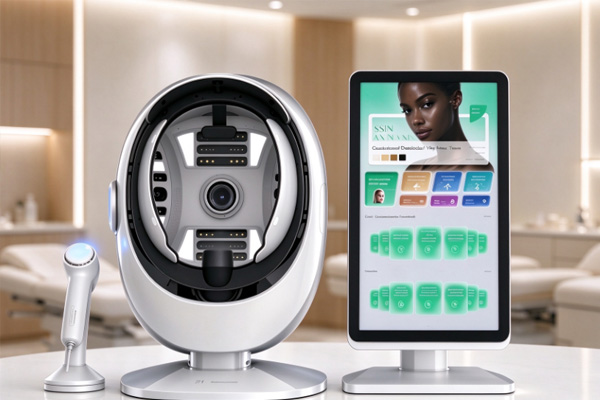
Skin analyzers use cameras and lighting systems to capture facial images, and some devices also support multiple imaging modes. Full-face imaging helps observe the appearance of different facial areas, while close-up imaging can enlarge or locate specific regions to support the analysis of pores, fine lines, and other features. Mode selection allows the device to capture different types of skin images according to its light source or spectral configuration. The imaging configuration determines the range of information available for algorithmic processing, and specific functions depend on the device’s actual specifications.
Preprocessing Raw Images
After image capture, the software performs necessary processing to reduce the impact of variations in shooting conditions on the recognition process.
- Image Correction: Adjusts image position, brightness, or color presentation to improve consistency in analysis conditions.
- Facial Localization: Identifies facial contours and target areas to establish a basis for subsequent regional analysis.
- Quality Inspection: Detects image issues such as blurring and obstruction, reducing their impact on analysis results.
Once image quality meets the device’s requirements, the AI model can extract relevant features more effectively.
How Do AI Algorithms Recognize Skin Features?
After image processing, the AI model identifies supported skin appearance features based on learned patterns and organizes information about the relevant areas.
Analyzing Pigmentation, Pores, and Fine Lines
Different skin features vary in color, shape, and texture. Algorithms can use these characteristics to assist with recognition.
- Pigmentation Features: Identifies spots and areas of uneven skin tone in images to help observe their distribution.
- Pore Features: Analyzes the appearance of visible pores and their local density.
- Texture Features: Uses surface lines and details to assist in identifying fine lines and rough areas.
The features that can be recognized depend on the algorithm design and device configuration. Not all products offer the same analytical capabilities.
Locating and Classifying Facial Areas
After recognizing skin features, the algorithm can associate relevant information with specific facial areas, making the results easier for staff to review. It can divide the face into areas such as the forehead and cheeks to facilitate comparisons of local differences, use image markers to display identified target areas, and classify results according to the analysis items supported by the device. This improves the readability of the results. Regional segmentation helps users review the analysis more clearly, but the findings still need to be interpreted in the context of image quality.
How Do AI Algorithms Generate Analysis Reports?
After feature recognition is complete, the software organizes the relevant data and presents the analysis results through images, metrics, and reports.
Calculating Metrics and Displaying Results
Some devices can calculate or summarize corresponding metrics based on recognized features, helping users review the characteristics of different facial areas.
- Data Summary: Displays the number of supported features, distribution areas, or other relevant metrics.
- Image Visualization: Combines analysis results with facial images to help users locate specific areas.
- Categorized Results: Presents findings by analysis category, helping staff organize the skin concerns raised by clients.
The definitions and calculation methods of individual metrics should be based on the device’s documentation. Scores generated by different devices should not be compared directly without considering their respective methods.
Generating Reports and Saving Records
Report functions consolidate analysis information, making client communication and subsequent recordkeeping more convenient.
- Report Compilation: Combines images, analysis metrics, and regional markers into a single report.
- Record Storage: Saves client images and analysis records according to the software’s capabilities for future reference.
- Change Comparison: Compares images and relevant metrics from different periods when capture conditions are similar.
Analysis reports are primarily intended to support the understanding of visible skin characteristics. They cannot, on their own, serve as proof of a medical diagnosis or skincare effectiveness.
What Factors Affect AI Skin Analysis Results?
The quality of AI analysis depends on image capture conditions, model capabilities, and device functions. These factors should all be considered when purchasing and using a device, rather than focusing solely on the name of its algorithm.
Image Capture and Device Configuration
Consistent image capture conditions help reduce image variations and improve the reference value of analysis results.
- Lighting Conditions: Changes in brightness, shadows, and reflections may affect the presentation of colors and details.
- Shooting Conditions: Variations in facial angle, expression, and posture may affect regional localization and comparisons between different sessions.
- Imaging Configuration: Camera performance, lighting methods, and available imaging modes influence the information that the algorithm can process.
Maintaining a consistent capture procedure and checking the device’s imaging specifications can improve the stability of daily use.
Algorithm Capabilities and the Scope of Results
Different devices may use different algorithm models and target different types of analysis. Their functional limitations should be understood before use.
- Analysis Items: Verify the categories of features supported by the device instead of assuming that unconfigured functions are available.
- Technical Documentation: Review the product’s performance specifications, intended scope of use, and relevant validation information.
- Interpreting Results: Treat AI outputs as supplementary references. For persistent or unusual skin concerns, seek an assessment from a qualified healthcare professional.
Understanding what an algorithm can analyze and what it cannot determine directly helps users apply the device appropriately.
AI skin analyzers convert visible facial features into more accessible analysis information through image capture, preprocessing, feature recognition, and report generation. This supports client communication and skin recordkeeping in beauty clinics. When selecting a device, buyers should evaluate imaging quality, recognition capabilities, reporting functions, and data management features according to their actual needs, while ensuring that the product’s technical documentation is clear and complete. Guangzhou Cosnext Technology Co., Ltd. provides beauty industry clients with relevant device information to help them understand product configurations and purchasing requirements.