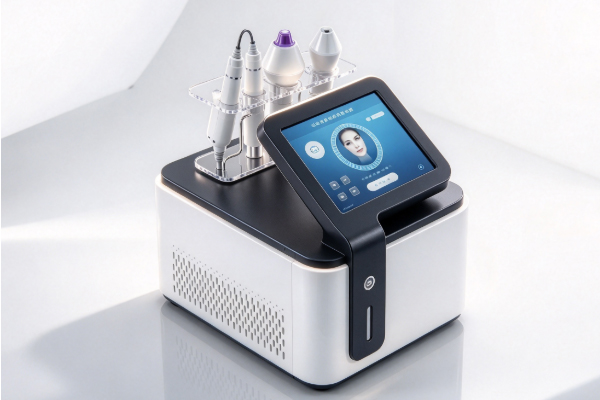
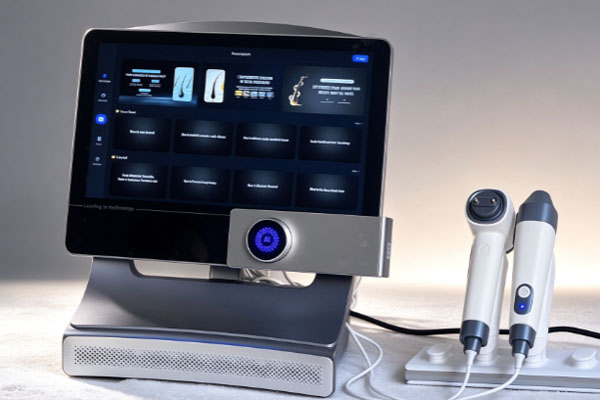
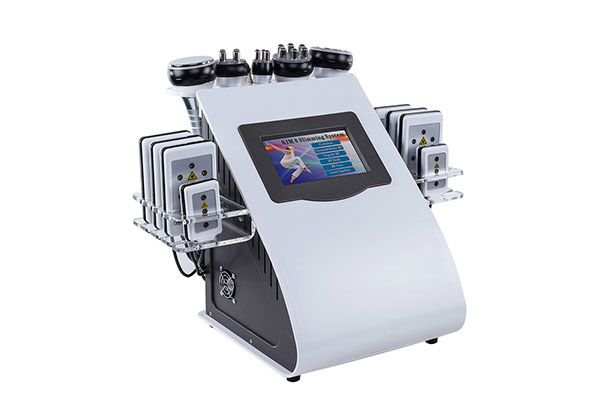
When choosing a mesotherapy gun, many beauty clinics are drawn to devices with numerous functions, assuming that more modes and complex settings mean better performance. In daily use, however, what really matters is whether dosage control is clear, needles and syringes are compatible, settings are easy to adjust, and replacement accessories are readily available. Even a well-designed device can create unnecessary problems if the controls are complicated or the consumables do not fit. For clinics planning to purchase or upgrade their beauty equipment, it makes more sense to identify the features that genuinely support daily operations rather than pay for functions they may never use.

What Are the Most Important Features of a Mesotherapy Gun?
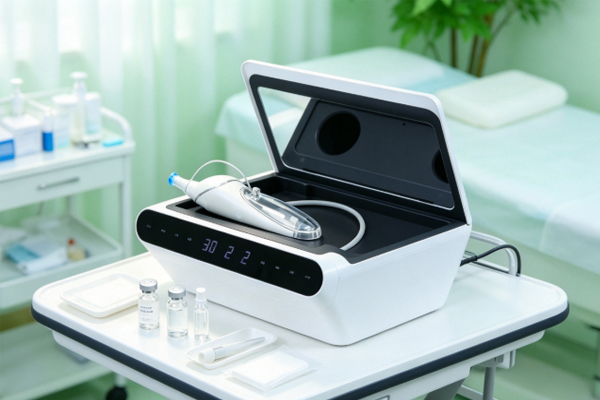
A mesotherapy gun uses a mechanical drive system to assist with injection. Some models also offer vacuum-assisted suction and dosage adjustment. Since device structures, control methods, and compatible consumables vary, it is worth paying close attention to the following core features.
- Dosage control: The ability to set the amount of liquid delivered during each operation is an important indicator of usability. Clear displays and straightforward adjustments help qualified professionals follow an established treatment protocol.
- Needle drive system: A stable drive mechanism can help standardize the operating process. However, the insertion method, depth range, and movement modes depend on the specifications of the individual device.
- Vacuum-assisted suction: Some models use vacuum suction to help hold the skin in place and position the device over the treatment area. This feature is not available on every mesotherapy gun, so it should be selected according to actual requirements.
- Operating mode adjustment: If a device supports different speeds or operating modes, easy switching can make daily use more convenient. However, having more modes does not automatically mean better performance.
When evaluating device features, do not rely solely on the names listed on a product page. Check whether each function is adjustable, what it is designed to do, and whether the user manual clearly explains its limitations.
How Should You Choose Dosage, Speed, and Vacuum Settings?
Dosage, speed, and vacuum are common specifications in mesotherapy gun descriptions, but each serves a different purpose. Dosage controls the amount of liquid delivered, speed affects the operating pace, and vacuum supports skin suction on certain models. When comparing devices, beauty clinics should prioritize settings that are easy to understand and adjust rather than simply choosing higher values or more adjustment levels.
- Look for clear dosage adjustment: Check how dosage is displayed, the smallest adjustment increment, and whether the actual delivery volume associated with each setting is clearly documented.
- Choose practical speed controls: Operating speed should comply with the device design and instructions. A wider adjustment range is not necessarily better; clear controls and consistent operation are more important.
- Evaluate vacuum according to need: If vacuum assistance is required for your intended procedures, check the adjustment range, control method, and operating instructions. A model without vacuum functionality should not automatically be considered inferior.
These settings must be compatible with the device instructions, the materials being used, and the applicable treatment protocols. Injection depth, dosage, and speed should be determined by appropriately qualified professionals. They should never be adjusted arbitrarily just to shorten treatment time.
Why Are Needle Compatibility and Accessory Availability Important?
Whether a device can be put into operation smoothly depends heavily on the compatibility of its needles, syringes, and other accessories. Different models may use different connection structures and consumable specifications, and components that look similar are not necessarily interchangeable. Before selecting a device, check the manufacturer’s compatibility list, confirm that commonly used accessories are easy to replace, and verify that consumables can be supplied consistently. You should also review the cleaning, disinfection, and replacement requirements for relevant components.
For beauty clinics that plan to use the equipment over the long term, clear accessory management makes daily operations easier. Avoid using needles or other components that have not been confirmed as compatible simply to reduce costs.
What Else Should You Check Before Buying a Mesotherapy Gun?
Once the core features meet your requirements, consider how easy the device is to operate, how straightforward maintenance will be, and whether after-sales support is reliable. For clinics purchasing this type of equipment for the first time, complete product documentation is often more useful than a promotional list of features.
- Is the interface easy to understand? Clear parameter displays, well-arranged buttons, and straightforward mode switching can reduce confusion during setup.
- Is maintenance manageable? Identify which components require regular inspection, cleaning, or replacement, and confirm that the maintenance procedures are clearly documented.
- Are the safety instructions complete? Review operating limitations, risk warnings, and training materials. A high level of automation does not eliminate the need for professional training.
- Are after-sales service and accessories reliable? Confirm warranty coverage, repair arrangements, replacement-part availability, and technical support to avoid unnecessary disruption when maintenance is needed.
- Is the compliance documentation complete? Check the registration, certification, or other documentation required in your intended market. Marketing claims alone do not establish regulatory compliance.
When choosing a mesotherapy gun, prioritize clear controls, compatible consumables, manageable maintenance, complete documentation, and reliable after-sales support. Beauty salons, skin management centers, and professional clinics can start by listing their daily operational requirements, then compare dosage settings, drive systems, vacuum functions, and accessory configurations for each model. If you are looking for equipment for professional use, ask for detailed specifications, a compatible consumables list, and after-sales service information. This helps ensure that the device’s features match your intended applications and reduces avoidable problems during long-term use.