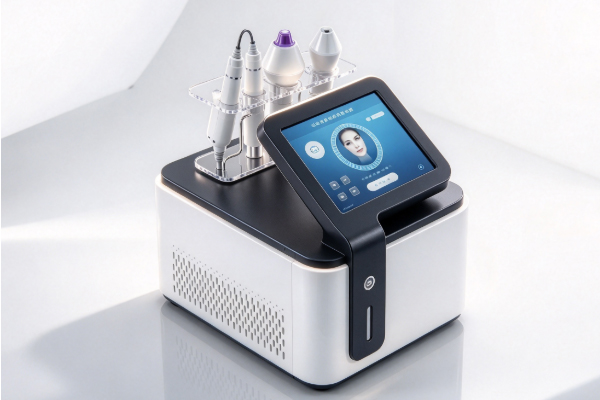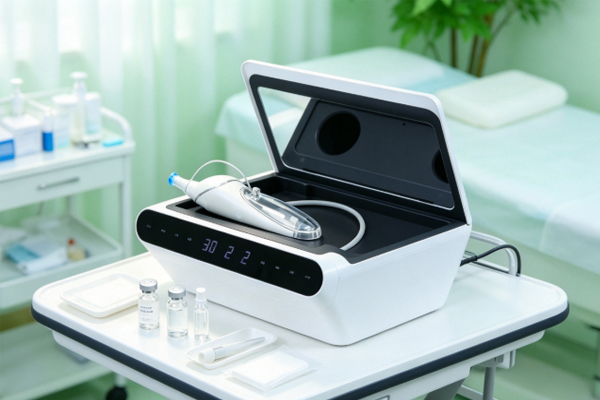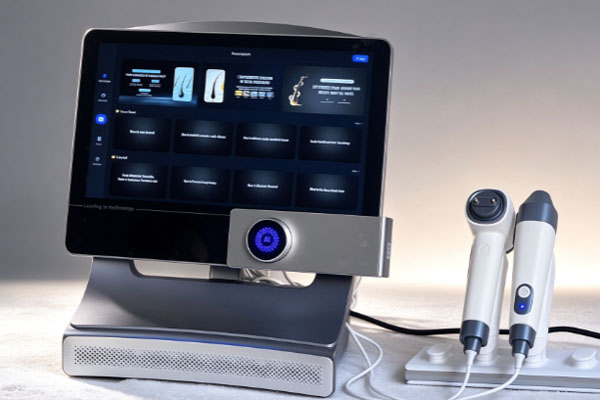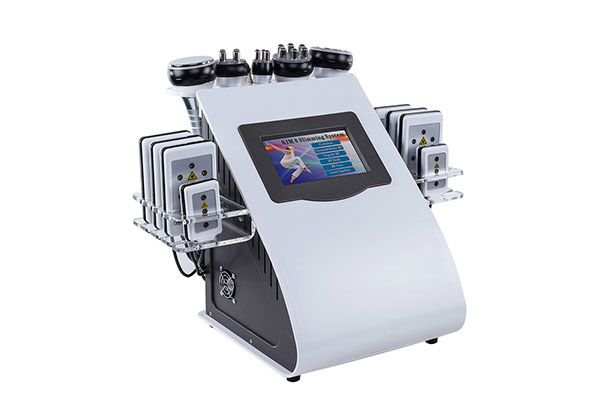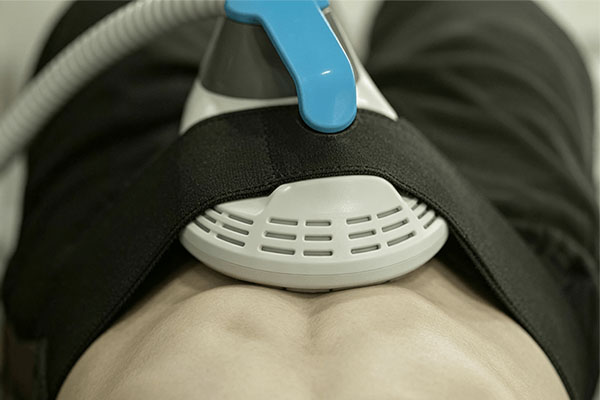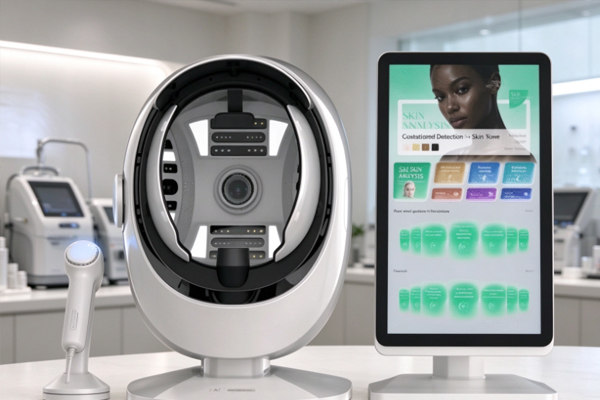
RF microneedling and radiofrequency (RF) beauty machines both use radiofrequency energy to generate thermal effects and are commonly used in professional aesthetics and skin management. However, they differ significantly in energy delivery, equipment structure, operating procedures, and intended applications. RF microneedling combines microneedle penetration with radiofrequency energy, delivering energy to a predetermined tissue depth through the needles or associated electrode structures. Conventional RF beauty machines typically transfer RF energy through contact electrodes on the skin, with the actual treatment depth and energy distribution depending on the device design. For medical aesthetic clinics, professional skin management centers, and beauty equipment buyers, understanding these technical differences helps them select suitable products and evaluate equipment configurations, operating costs, and maintenance requirements.
How Do RF Microneedling and RF Beauty Machines Work Differently?
RF microneedling combines microneedle penetration with RF-induced thermal effects. During operation, the needles enter the skin to a preset depth, and RF energy is delivered to the target tissue through the needle shafts or associated electrode structures. The tissue generates heat in response to the RF energy, while needle penetration also produces mechanical stimulation. These mechanisms work together to support professional treatments according to the selected needle depth, energy level, and pulse parameters.
Conventional RF beauty machines generally do not require microneedle penetration. Instead, they deliver RF energy through contact electrodes placed against the skin. The RF current generates thermal effects within the tissue, and its energy distribution depends on electrode shape, electrode spacing, RF frequency, output mode, and tissue impedance. Different products may use monopolar, bipolar, or multipolar RF technology, so their actual operating mechanisms are not identical.
The main difference lies in the energy delivery pathway. RF microneedling uses needle structures to deliver RF energy to a predetermined tissue depth, while conventional RF beauty machines primarily transfer energy through surface-contact electrodes. However, this does not mean that all RF microneedling devices operate at the same depth or that conventional RF devices can only affect superficial skin layers. Actual performance should be evaluated according to the specific technical specifications, clinical evidence, and manufacturer’s instructions for use.
What Are the Differences in Equipment Structure Between RF Microneedling and RF Beauty Machines?
RF microneedling devices typically consist of an RF generator module, microneedling handpiece, needle cartridge, depth adjustment mechanism, control interface, and safety control system. Since these devices need to control both needle movement and RF energy output, their internal structures are relatively complex. Some models allow operators to adjust needle depth, RF energy, and pulse duration, while specialized needle cartridges support different treatment modes. Needle arrangement, needle quantity, and electrode design can also influence energy delivery and the treatment area.
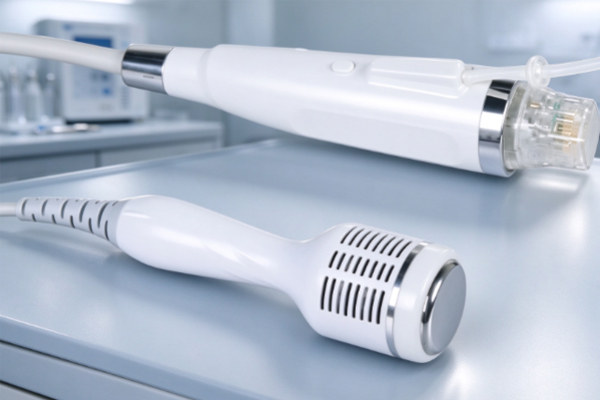
Conventional RF beauty machines generally include an RF generator, handpiece, electrode head, control panel, and temperature or output monitoring modules. Some devices are also equipped with cooling systems, contact detection functions, or other auxiliary controls to meet specific design requirements. Because microneedle penetration is not necessarily involved, the handpiece structure and consumable configuration of conventional RF devices usually differ from those of RF microneedling systems.
| Comparison Item | RF Microneedling | Conventional RF Beauty Machine |
| Core technology | Microneedle penetration combined with RF energy | RF energy delivered through electrodes |
| Skin penetration | Needles penetrate the skin according to the device design | Usually non-invasive, without microneedle penetration |
| Primary mechanism | Mechanical stimulation and RF thermal effects | RF thermal effects |
| Key components | RF system, needle assembly, depth adjustment mechanism | RF system, electrode head, control module |
| Common parameters | Needle depth, RF energy, pulse duration, and related settings | Energy level, output mode, treatment time, temperature control, and related settings |
| Consumables | Usually requires compatible needle cartridges | Depends on electrode head and device design |
| Purchasing priorities | RF performance, needle configuration, safety systems, and maintenance support | RF performance, electrode design, safety systems, and maintenance support |
When purchasing equipment, buyers should not rely solely on product names or external appearance to identify the technology. Reviewing the user manual, needle or electrode structure, RF output specifications, consumable configuration, and intended applications provides a more reliable basis for comparison.
How Do the Applications of RF Microneedling and RF Beauty Machines Differ?
RF microneedling is commonly used in professional medical aesthetic procedures, including selected treatments for skin firmness, skin texture improvement, the appearance of enlarged pores, and certain types of depressed acne scars. By combining microneedle penetration with RF thermal effects, the device can deliver energy to targeted tissue according to its design parameters. The actual intended applications depend on the device’s authorized indications, manufacturer’s instructions, and professional assessment. Applications associated with one model should not automatically be assumed to apply to every RF microneedling product.
Conventional RF beauty machines are commonly used in non-needle-based procedures targeting skin firmness and appearance improvement. Some devices are designed for professional aesthetic clinics, while others may be intended for different specific settings. Electrode contact methods, energy modes, and temperature control systems influence how these devices are used and which areas they are designed to treat. Since RF devices differ in power, technical structure, and safety requirements, their actual applications cannot be determined from the general term “RF beauty machine” alone.
Equipment selection should be based on treatment objectives and the device’s intended applications. If a procedure requires microneedle penetration combined with RF energy, an RF microneedling system may be appropriate for evaluation. If the procedure primarily uses non-needle-based RF technology, a conventional RF beauty machine designed for that application may be considered. Qualified professionals should assess skin conditions, contraindications, and expected outcomes rather than assuming that a device’s technical features guarantee the same results for every individual.
How Do the Operating Procedures and Safety Requirements Differ?
The operating process for RF microneedling generally includes equipment inspection, skin assessment, needle cartridge installation, parameter configuration, controlled needle penetration, RF energy delivery, and post-treatment care. Before operation, the operator should confirm that the cartridge is compatible with the main unit and inspect the RF system and relevant safety functions according to the manufacturer’s instructions. A professional assessment is also necessary to identify conditions such as active infections, skin inflammation, unhealed wounds, or other potential contraindications.
During treatment, RF microneedling requires simultaneous control of needle depth, energy output, and treatment coverage. Because the procedure involves both penetration and thermal effects, needle handling, consumable replacement, infection control, and energy management are particularly important. Improper operation may increase the risk of infection, burns, pigmentation changes, or scarring. Operators should strictly follow the manufacturer’s instructions and applicable professional protocols.
Conventional RF beauty machines generally do not require needle penetration, but they must still be operated according to the device’s specifications. Before use, operators should inspect the electrode head, connecting components, and energy control system, as well as confirm that the device is suitable for the intended skin application. During operation, the specified contact method should be maintained, and energy levels and treatment duration should be controlled according to the instructions. Products equipped with temperature monitoring or cooling functions must also be used correctly. These functions should not be regarded as eliminating all treatment risks.
Both types of equipment require appropriate training, regular maintenance, and post-treatment skin monitoring. RF microneedling generally involves stricter requirements for penetration procedures and consumable management, while conventional RF beauty machines require particular attention to electrode contact, energy output, and thermal control. Significant pain, blistering, worsening redness, or other unusual reactions should prompt professional medical evaluation.
What Key Parameters Should Buyers Consider When Choosing Between RF Microneedling and RF Beauty Machines?
For medical aesthetic equipment distributors, professional clinics, and equipment procurement teams, choosing between RF microneedling and conventional RF beauty machines requires consideration of intended treatments, customer needs, operator qualifications, consumable costs, and maintenance conditions. Since the two product categories have different technical structures, buyers should apply the appropriate evaluation criteria rather than comparing only equipment prices or the number of advertised features.
Key purchasing considerations include:
- RF technical specifications: Verify the stated RF frequency, output modes, energy adjustment range, and pulse settings. For RF microneedling devices, also check the needle depth adjustment range and needle electrode design.
- Handpiece and treatment head configuration: For RF microneedling, confirm needle specifications, needle quantity, cartridge replacement methods, and compatibility. For conventional RF beauty machines, review electrode head design, intended treatment areas, and available accessories.
- Safety control functions: Check whether the device includes output monitoring, abnormal-condition alerts, contact detection, or other protective features relevant to its design. Review the manufacturer’s safety documentation.
- Long-term operating costs: Compare the prices, replacement frequency, and supply stability of needle cartridges or electrode consumables, along with maintenance expenses, to estimate ongoing costs.
- Regulatory documentation and after-sales service: Verify the registration, authorization, or certification documents required in the target market. Confirm whether installation guidance, operator training, repair support, and replacement parts are available.
The main difference between RF microneedling and conventional RF beauty machines is that RF microneedling combines needle penetration with RF thermal effects, while conventional RF beauty machines typically deliver RF energy through non-penetrating electrodes. The two technologies have different equipment structures, applications, operating procedures, and consumable management requirements.
For medical aesthetic equipment buyers, product selection should be based on intended use, technical specifications, safety requirements, and long-term operating costs. For equipment suppliers, clearly presenting the working principles, core components, intended applications, and regulatory documentation can help customers understand product positioning and select equipment that better matches their business needs.