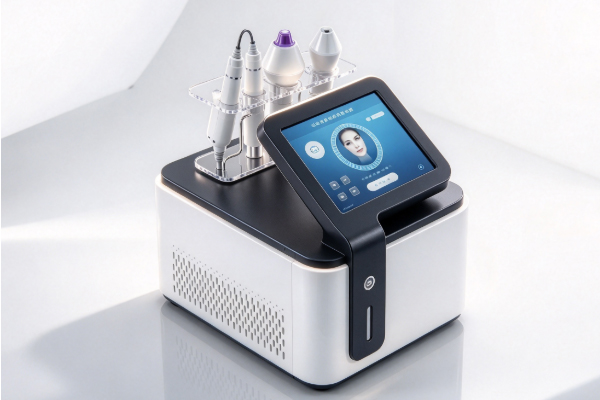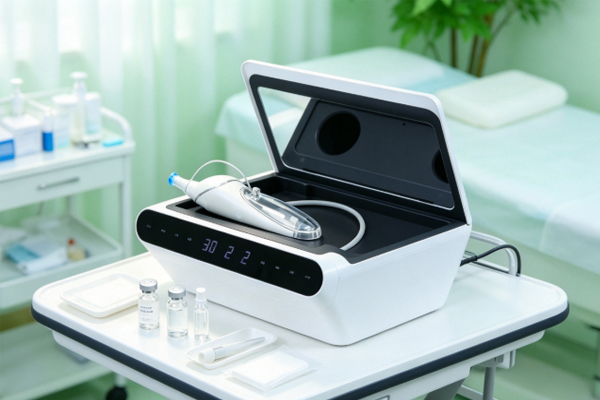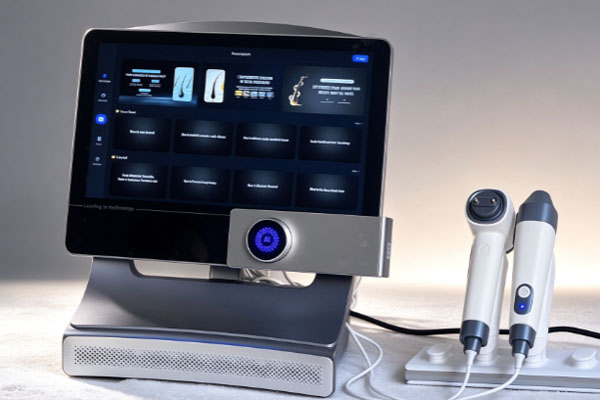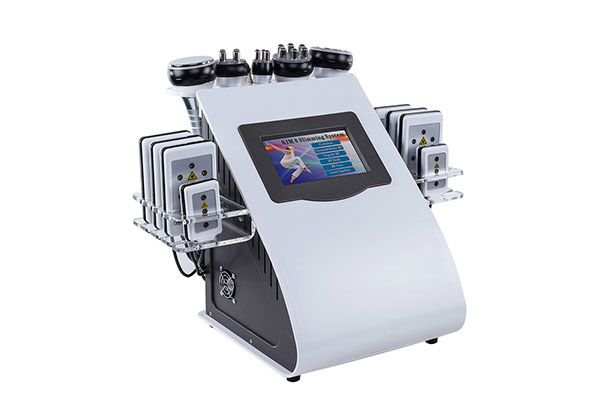
RF microneedling machines combine microneedling technology with radiofrequency energy to support professional skin rejuvenation treatments. The microneedles penetrate or contact the skin at designated depths and deliver radiofrequency energy to targeted tissue. This technology is commonly used in professional aesthetic treatments aimed at improving skin firmness, texture, and the appearance of acne scars. As aesthetic equipment continues to evolve, RF microneedling machines offer different configurations in needle design, energy adjustment, treatment depth, pulse modes, and user interfaces. Understanding these functions helps aesthetic clinics select suitable equipment and enables purchasing professionals to compare technical performance, operating efficiency, and maintenance costs.
Skin Tightening and Texture Improvement
One of the core functions of an RF microneedling machine is to deliver radiofrequency energy to predetermined skin tissue through microneedles. The thermal effects of radiofrequency energy can influence tissue responses and support treatments intended to improve the appearance of skin laxity, rough texture, and fine lines. Treatment depth, energy output, pulse duration, and needle design can all affect the procedure. Actual outcomes depend on the equipment configuration, the operator’s experience, and the individual’s skin condition.
In professional aesthetic settings, these devices are often used for treatments targeting skin texture and firmness. Different RF microneedling models may vary in energy output, treatment depth, and suitable treatment areas. Buyers should evaluate these differences against the manufacturer’s instructions and the device’s approved indications.
What Are the Main Functions of an RF Microneedling Machine?
The available functions vary by device model. Some machines emphasize precise control of treatment depth and radiofrequency energy, while others prioritize operating efficiency, consumable management, and treatment parameter displays. When purchasing equipment, it is important to distinguish between functions the device actually provides and results described in promotional materials. Buyers should confirm that the relevant parameters can be adjusted through the device interface and review the manufacturer’s technical documentation.
Common functions include the following:
- Skin texture improvement: The combination of microneedling and radiofrequency energy can provide a professional treatment option for rough skin texture, uneven skin surfaces, and the appearance of certain acne scars. The degree of improvement depends on the type of skin concern, treatment plan, and individual response.
- Fine line and skin-firming treatments: These devices may be used for selected treatments targeting skin firmness and the appearance of fine lines. Different needle depths and energy settings affect tissue heating, so trained professionals should select parameters according to the device’s instructions and approved uses.
- Treatment depth adjustment: Some models support different needle lengths or adjustable insertion depths, allowing settings to be selected according to the treatment area, skin thickness, and procedure requirements. The actual adjustment range should be confirmed in the product specifications.
- Radiofrequency energy control: Certain devices allow users to adjust output intensity, pulse duration, or other energy parameters. These controls help trained operators follow the prescribed treatment protocol. A larger number of adjustable settings does not necessarily make a machine more suitable; adjustment precision, output stability, and safety controls are also important.
- Adaptability to different treatment areas: Some models include multiple treatment tips for the face or other approved areas. Suitability for sensitive areas, such as the eye area or neck, must be confirmed through the manufacturer’s instructions and applicable local regulations.
- Treatment parameter display: A digital interface may display energy settings, treatment modes, needle status, or other operating information. These indicators help operators verify device settings and reduce parameter selection errors.
- Disposable needle and consumable management: Some models use dedicated disposable needle cartridges to support consumable replacement and infection control procedures. Before purchasing, buyers should confirm cartridge compatibility, supply availability, and per-treatment consumable costs.
Together, these functions determine the flexibility of an RF microneedling machine and its suitability for professional treatment workflows. Equipment comparisons should consider actual specifications, consumable costs, training requirements, and after-sales support rather than relying solely on the number of advertised functions.
Applications for Acne Scars, Visible Pores, and Skin Texture
RF microneedling machines may be used in professional treatment plans for selected concerns, including the appearance of acne scars, visible pores, uneven skin texture, and fine lines. The combination of microscopic needle penetration and radiofrequency thermal effects acts on targeted tissue and may stimulate skin repair responses. People with deep acne scars, active inflammation, or other skin conditions require an assessment by a qualified professional before treatment. Device functions alone cannot determine whether a person is a suitable candidate.
Different skin concerns may require different treatment strategies. For example, superficial texture irregularities and deeper atrophic acne scars may call for different treatment goals, parameter settings, and session plans. The ability to adjust needle depth or radiofrequency output does not mean a device is appropriate for every skin type or skin condition. Operators should also consider skin barrier status, previous treatments, the risk of pigmentation changes, and the availability of appropriate post-treatment care.
For aesthetic clinics, the value of an RF microneedling machine extends beyond its treatment technology. The equipment should also support standardized procedures, consumable management, and treatment documentation. Before introducing a device into clinical practice, clinics should verify its approved indications, contraindications, training requirements, and maintenance instructions. A complete workflow should include pre-treatment assessment and post-treatment follow-up.
Safety Controls and Operating Functions
RF microneedling is a professional procedure involving skin penetration. When needles enter the skin and deliver radiofrequency energy, treatment conditions must be carefully controlled. Device safety features, operator training, consumable quality, and the treatment environment all influence procedural risk. In addition to evaluating cosmetic functions, buyers should check whether the device provides clear parameter settings, appropriate status indicators, and safety procedures specified by the manufacturer.
The following points deserve particular attention during device use and management:
- Parameter setting and verification: Operators should select treatment parameters according to the manufacturer’s instructions, approved indications, and individual assessment. Values from other devices should not be copied without appropriate validation.
- Needle and consumable inspection: Before use, verify the condition of the needle cartridge, its packaging, and compatibility with the device. Disposable consumables must be used and discarded according to instructions and must not be reused.
- Operating status monitoring: Inspect the handpiece, cables, treatment tips, and main unit according to the manufacturer’s requirements. If an abnormal warning, damaged component, or irregular output is detected, stop using the device and contact qualified service personnel.
- Infection control: Follow appropriate procedures for skin preparation, hand hygiene, instrument handling, and waste disposal before and after treatment to reduce the risk of cross-contamination.
- Contraindication assessment: Conditions such as active infection, significant inflammation, open wounds, or other factors that may affect safety require professional assessment. Suitability should also be checked against the contraindications listed in the device instructions.
- Post-treatment care and follow-up: Explain expected responses, aftercare requirements, and the steps to take if unusual symptoms occur. Persistent or worsening pain, signs of significant burns, or other concerning reactions require prompt medical assessment.
Safety features cannot eliminate all treatment risks or replace professional judgment. Appropriate training, clear operating procedures, and reliable after-sales maintenance are essential for the safe and consistent use of the equipment.
Which Specifications Should Buyers Consider When Purchasing an RF Microneedling Machine?
For aesthetic clinics, distributors, and medical equipment purchasing teams, evaluating an RF microneedling machine requires a comprehensive review of technical specifications, regulatory documentation, consumable availability, and after-sales service. Appearance, screen size, and the number of advertised treatment programs do not directly indicate treatment capability. Before purchasing, buyers should request complete product documentation and verify the device’s registration or authorization status and approved uses in the intended market.
The following specifications and service factors should be checked carefully:
- Needle depth range and adjustment method: Determine whether the device uses fixed needle lengths, interchangeable cartridges, or another adjustment mechanism. Confirm the specifications of each treatment tip.
- Radiofrequency output parameters: Review the stated output range, energy adjustment levels, pulse settings, and output control method. Ensure the parameter descriptions are complete and practical for professional use.
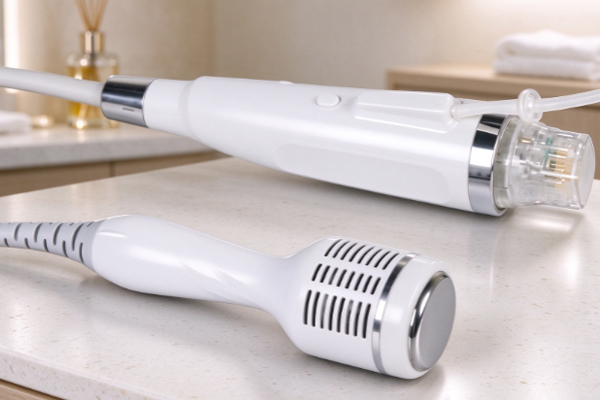
- Treatment tip configuration: Understand the differences between standard accessories and optional components. Confirm the intended treatment areas, compatible models, and replacement requirements for each tip.
- Consumable costs and availability: Ask about cartridge prices, packaging quantities, ordering lead times, and long-term supply arrangements. These factors help estimate ongoing operating expenses.
- User interface and training: Check whether the operating menus are clear and whether the supplier provides device training, maintenance guidance, and technical support.
- Regulatory and quality documentation: Verify applicable registration or authorization documents, technical specifications, instructions for use, and manufacturer information. Avoid equipment with unclear origins or unverified indications.
- After-sales service and warranty: Review the warranty period, fault-reporting process, spare-parts availability, and repair turnaround time to reduce the impact of equipment downtime on daily operations.
A sound purchasing decision should be based on verified technical documentation and the clinic’s actual needs. By comparing specifications, consumable costs, regulatory status, and service conditions, aesthetic clinics can better determine whether a device meets their intended treatment requirements and establish a reliable foundation for standardized use.
The main functions of an RF microneedling machine include skin texture improvement, skin-firming treatments, treatment parameter adjustment, compatibility with different treatment tips, and operating and consumable management. Equipment selection and use should follow the device’s approved indications, the manufacturer’s instructions, and professional assessment. Promotional claims about device functions should not be treated as guaranteed treatment outcomes.