RF microneedling and traditional microneedling are both widely used in professional aesthetic treatments, but they differ significantly in energy delivery, working mechanisms, equipment structure, and application requirements. Traditional microneedling primarily uses fine needles to create tiny channels in the skin, stimulating the body’s natural repair process through mechanical action. RF microneedling combines needle penetration with radiofrequency energy, allowing the targeted tissue to experience both mechanical stimulation and RF-induced thermal effects. For medical aesthetic clinics, professional skin management centers, and beauty equipment buyers, understanding these differences helps with equipment selection, treatment planning, and evaluation of device configurations, consumable costs, and operating requirements.
How Do RF Microneedling and Traditional Microneedling Work Differently?
Traditional microneedling relies primarily on the mechanical stimulation produced by fine needles. The needles create tiny channels in the skin at a selected depth, triggering the body’s natural wound-healing response and potentially supporting subsequent tissue remodeling. Traditional microneedling devices may include manual rollers, electric pen-style handpieces, or professional microneedling systems. Their actual penetration depth, needle speed, and operating methods depend on the device design. Traditional microneedling generally does not include RF energy output, so its primary mechanism is mechanical penetration rather than radiofrequency-induced thermal effects.
RF microneedling adds a radiofrequency energy delivery system to the microneedling process. After the needles penetrate to a predetermined depth, the device delivers RF energy to the targeted tissue through the needle shafts or associated electrode structures. This generates localized thermal effects within the tissue. By controlling energy output, needle depth, and pulse duration, the device can operate according to its specified treatment settings. RF-induced thermal effects can influence collagen structures in the dermis and contribute to subsequent tissue remodeling.
The key difference between the two technologies is whether radiofrequency energy is incorporated into the treatment. Traditional microneedling primarily relies on mechanical stimulation, while RF microneedling combines needle penetration with RF thermal effects. However, the actual performance of RF microneedling also depends on needle design, RF configuration, tissue impedance, and operating parameters. Buyers should review the manufacturer’s technical documentation and intended uses rather than relying solely on the device name.
What Are the Differences in Equipment Structure Between RF Microneedling and Traditional Microneedling?
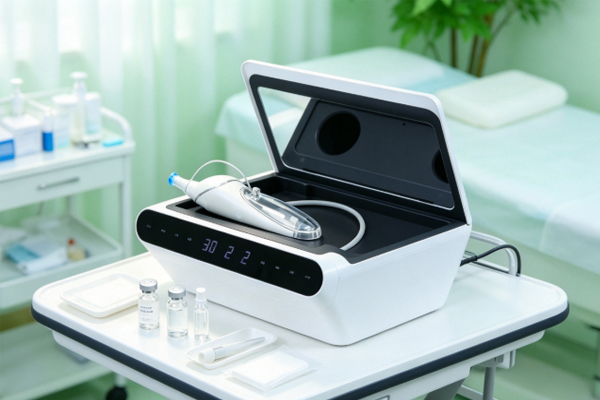
Traditional microneedling devices generally have a relatively simple structure, consisting mainly of a needle assembly, a handle or roller mechanism, and the necessary operating controls. Different products may vary in needle arrangement, penetration depth, movement method, and speed adjustment functions. Manual devices rely on the operator to control movement direction and pressure, while electric devices use a drive system to control the reciprocating movement of the needles. Professional systems may also provide needle depth and speed adjustment to accommodate different operating requirements.
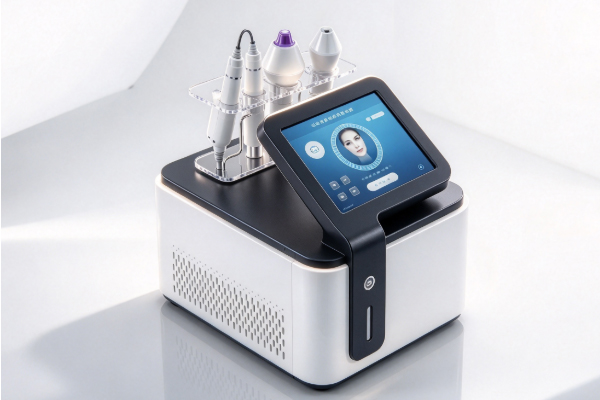
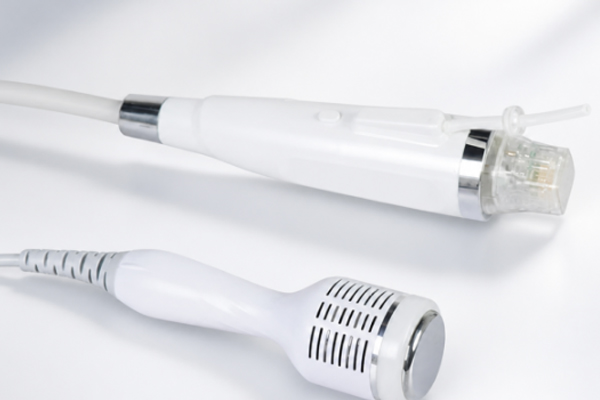
RF microneedling devices usually have a more complex internal structure. In addition to the microneedle assembly, they require an RF generator, electrode system, energy control unit, and corresponding safety functions. Some devices also support multiple needle depth settings, different RF modes, and adjustable pulse parameters. Because an RF energy delivery system is incorporated, these devices may involve more complex technical configurations, calibration requirements, and maintenance procedures.
| Comparison Item | Traditional Microneedling | RF Microneedling |
| Core technology | Mechanical needle penetration | Needle penetration combined with RF energy |
| Energy output | Generally no RF output | Includes an RF energy generation and delivery system |
| Primary mechanism | Mechanical stimulation and skin repair response | Mechanical stimulation and RF thermal effects |
| Equipment structure | Primarily needle and drive components | Additional RF generator, electrodes, and control modules |
| Parameter settings | Needle depth, speed, and other device-dependent settings | Needle depth, RF energy, pulse settings, and other device-dependent parameters |
| Consumables | Compatible needle cartridges or assemblies | Needle cartridges designed for RF functionality |
| Purchasing priorities | Needle quality, drive stability, and operating controls | RF performance, needle configuration, safety systems, and maintenance support |
For equipment buyers, traditional microneedling and RF microneedling should not be distinguished solely by appearance or handpiece design. A more reliable approach is to verify the technical specifications, RF output capabilities, needle compatibility, and operating documentation provided by the manufacturer.
How Do the Aesthetic Applications of RF Microneedling and Traditional Microneedling Differ?
Traditional microneedling is commonly used in professional skincare and certain aesthetic treatment procedures. Its primary mechanism involves mechanical penetration that stimulates the skin’s repair response. Depending on the device design and needle depth, applications may include skin texture improvement and the management of certain types of depressed acne scars. The actual intended uses should be determined according to the device specifications, operating protocols, and individual skin condition. Since traditional microneedling does not produce RF thermal effects, the technical characteristics of RF microneedling should not automatically be attributed to conventional microneedling devices.
RF microneedling combines needle penetration with radiofrequency thermal effects. It is commonly used in professional treatments targeting skin firmness, uneven skin texture, the appearance of enlarged pores, and certain types of depressed acne scars. RF energy can act on relevant structures within the targeted tissue, while the needles provide a pathway for delivering energy at a selected depth. This combination distinguishes RF microneedling from traditional microneedling in terms of equipment functionality and treatment planning.
However, a more complex technology does not necessarily mean that it is more suitable for every skin concern. Traditional microneedling and RF microneedling may differ in patient suitability, operating depth, recovery requirements, and potential risks. Treatment outcomes also depend on skin condition, scar type, equipment performance, and professional technique. Patients and clinics should seek appropriate professional assessments instead of selecting a treatment solely based on the device name or promotional claims.
How Do the Operating Procedures and Recovery Requirements Differ?
Traditional microneedling procedures generally include equipment inspection, skin assessment, skin preparation, needle cartridge installation, controlled needle penetration, and post-treatment care. Requirements for cartridge replacement, cleaning, disinfection, and operating depth vary by device. Operators must follow the relevant product instructions. Needle penetration may cause temporary redness, mild swelling, or sensitivity, depending on needle depth, treatment intensity, and individual skin characteristics.
RF microneedling requires the basic microneedling workflow as well as additional checks of the RF system and confirmation that the needle cartridge is compatible with the main unit. Energy parameters must be configured according to the device instructions. Needle depth, RF output, and pulse duration should be adjusted according to the treatment area and individual condition. Because both mechanical penetration and thermal effects are involved, particular attention should be paid to energy control, treatment coverage, and repeated passes over the same area.
Both devices require appropriate post-treatment monitoring and care, but recovery cannot be predicted solely from the device category. Some individuals may experience persistent redness, infection, pigmentation changes, scarring, or other adverse reactions. RF microneedling also involves risks associated with thermal effects. Before treatment, a qualified professional should assess contraindications and follow the applicable device instructions and medical protocols. Significant pain, blistering, or worsening skin reactions require prompt professional medical evaluation.
Should You Choose an RF Microneedling or Traditional Microneedling Device?
For beauty equipment distributors, professional skincare centers, and medical aesthetic clinics, the choice between traditional microneedling and RF microneedling should be based on target customers, service positioning, expected usage frequency, and long-term operating costs. Traditional microneedling devices primarily require evaluation of needle design, drive stability, and depth control. RF microneedling devices require additional assessment of RF system performance, output stability, needle cartridge configuration, and safety controls. The purchasing requirements differ, so the initial purchase price should not be the sole deciding factor.
During procurement, buyers should pay attention to the following considerations:
- Confirm the intended treatment applications: If the intended procedures primarily rely on mechanical microneedling, evaluate the needle design and operating controls of traditional devices. If RF thermal effects are required, verify that the RF microneedling device supports the intended applications.
- Review technical specifications: For traditional microneedling, check needle depth adjustment, penetration speed, and drive system performance. For RF microneedling, also verify RF frequency, output modes, energy adjustment range, and pulse settings.
- Compare consumable and maintenance costs: Review needle cartridge replacement frequency, purchase prices, supply stability, and equipment maintenance requirements to estimate long-term operating expenses.
- Check safety and regulatory documentation: Verify the registration, authorization, or certification documents required in the intended sales market, and confirm that the device’s intended uses and operating requirements are clearly documented.
- Evaluate training and after-sales support: Determine whether the manufacturer provides installation guidance, professional operator training, technical support, and repair services to reduce operational difficulties after installation.
The fundamental difference between RF microneedling and traditional microneedling is that RF microneedling incorporates radiofrequency energy into the microneedling process, while traditional microneedling primarily relies on mechanical needle penetration. Each technology has its own equipment structure, applications, and operating requirements.
For medical aesthetic equipment buyers, selecting the right device requires consideration of treatment needs, technical specifications, consumable costs, safety performance, and after-sales support. For equipment suppliers, clearly presenting the working principles, core components, intended applications, and regulatory documentation can help customers understand product positioning and make purchasing decisions that better match their business requirements.