
Can Fibroblast Plasma Be Used for Eye-Area Skin Care?
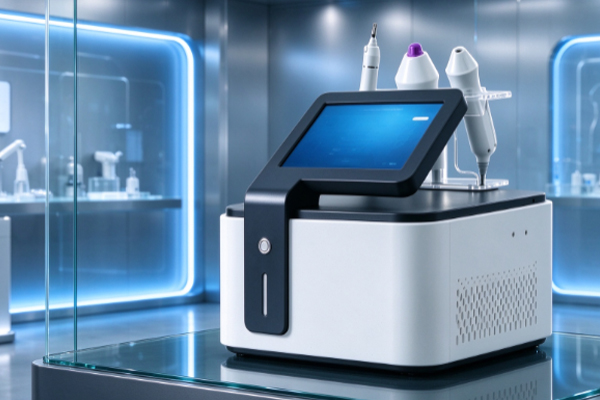
The skin around the eyes is delicate and sensitive. Frequent blinking, facial expressions, aging, sun exposure, and lifestyle habits can contribute to dryness, fine lines, changes in skin texture, and reduced firmness. As aesthetic technologies continue to develop, Fibroblast Plasma, also known as Plasma Fibroblast or Fibroblast Plasma Pen technology, has attracted attention for its […]
How Can a Fibroblast Plasma Beauty Machine Be Used for Fine Line Care?
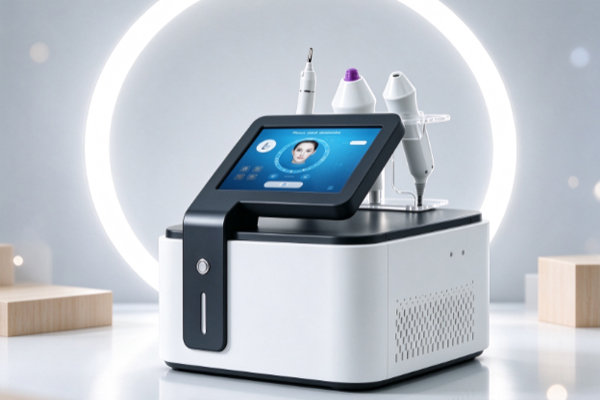
A fibroblast plasma beauty machine is a type of aesthetic device associated with plasma-based technology. Its specific mechanism, energy delivery method, and intended applications depend on the device type and product design. Fine lines can develop around the eyes, forehead, and mouth due to skin dryness, natural aging, sun exposure, and changes in skin elasticity. […]
What Role Does Fibroblast Plasma Play in Skin Laxity Care?
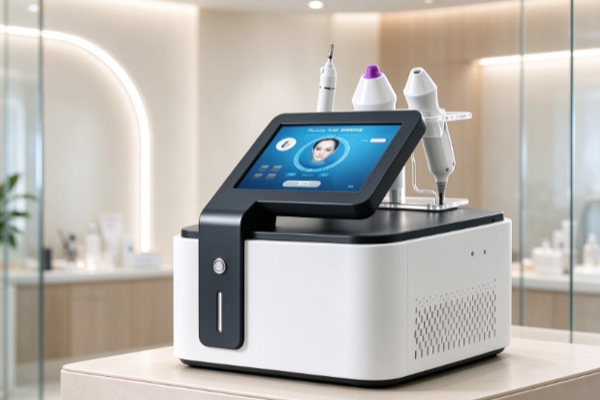
Skin laxity is a common sign of skin aging. As people grow older, changes in collagen, elastic fibers, and the extracellular matrix can gradually affect skin firmness. The cheeks, jawline, eye area, and neck may develop reduced firmness, less-defined contours, and localized sagging. Fibroblast Plasma is an aesthetic equipment technology associated with terms such as […]
What Is the Role of UV Light Detection in a Skin Analyzer?

Facial images captured under ordinary lighting can reveal visible spots and overall skin tone, but some skin features require different imaging methods for closer examination. UV light detection in a skin analyzer uses a specific band of ultraviolet light to record differences in light absorption and fluorescence emitted by certain substances when excited by UV […]
Why Does a Skin Analyzer Capture Facial Images Under Different Lighting Conditions?
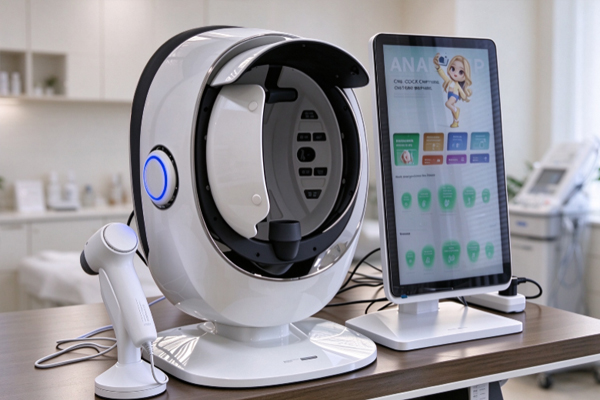
The same face can reveal noticeably different skin features under different lighting conditions. Standard photographs can capture visible spots, pores, and fine lines, but they may not fully reveal certain pigmentation patterns, localized color variations, or specific fluorescence features. Skin analyzers use imaging methods such as white light, ultraviolet light, and polarized light to capture […]
What Hidden Skin Concerns Can a Skin Analyzer Detect?
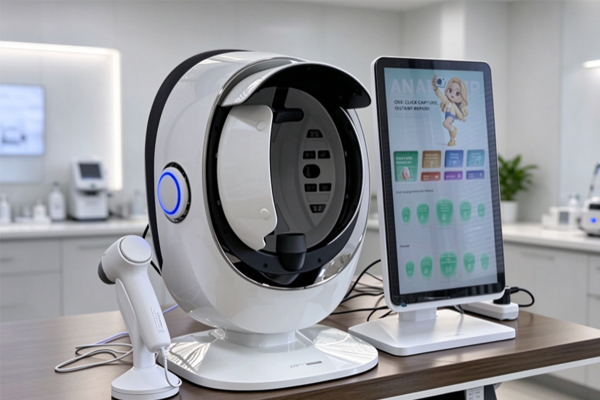
When examining skin with the naked eye, visible dark spots, enlarged pores, and redness are relatively easy to identify. However, some variations in skin tone, features around hair follicles, and subtle texture changes may be less noticeable. A skin analyzer uses imaging modes such as white light, ultraviolet (UV) light, or polarized light to capture […]