
A fibroblast plasma beauty machine is a type of aesthetic device associated with plasma-based technology. Its specific mechanism, energy delivery method, and intended applications depend on the device type and product design. Fine lines can develop around the eyes, forehead, and mouth due to skin dryness, natural aging, sun exposure, and changes in skin elasticity. For aesthetic clinics and medical beauty equipment buyers, understanding how a fibroblast plasma beauty machine works, its operating procedures, suitable applications, and safety requirements helps them evaluate its potential role in skincare. It is important to note that different devices may use different technologies and have different approved indications. Treatment plans should be developed according to the manufacturer’s instructions, professional assessment, and local regulations. The device’s name alone cannot establish its effectiveness.
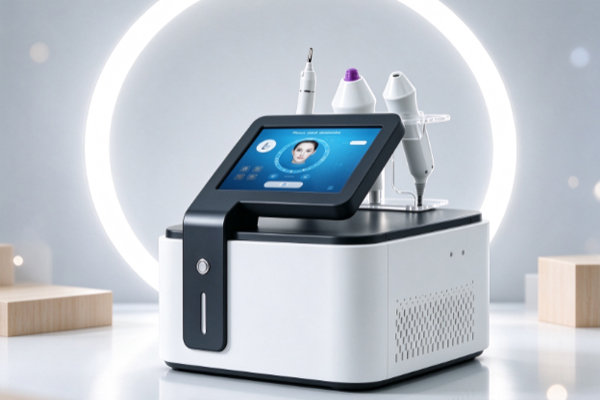
How Does a Fibroblast Plasma Beauty Machine Work to Improve Fine Lines?
Fibroblast plasma beauty machines are generally associated with plasma technology. Their specific operating mechanisms depend on the type of plasma used, the energy output structure, and the method of application. Some devices generate plasma through electrical energy and apply it to the skin surface or a targeted area under controlled conditions. Other devices use localized thermal effects for their approved skincare applications. Fine lines are associated with factors such as skin hydration, changes in collagen and elastin, ultraviolet exposure, and repetitive facial movements. Therefore, skincare treatments should consider the underlying skin condition and treatment goals rather than focusing solely on visible lines. The use of a plasma-based device does not mean that it directly increases the number of fibroblasts or guarantees collagen production. Tissue responses, the degree of improvement, and recovery time should be evaluated based on clinical evidence, approved indications, and individual skin characteristics. For people seeking to improve dehydration lines, superficial fine lines, or rough skin texture, a qualified professional should assess whether the specific device is appropriate and select a treatment plan consistent with its instructions.
Suitable Applications of Fibroblast Plasma Beauty Machines for Fine Line Care
Fine line care should be tailored to the location and depth of the lines, skin sensitivity, and the underlying causes. A fibroblast plasma beauty machine is not suitable for every type of fine line and cannot replace basic moisturizing, sun protection, or other skin treatments that require professional assessment. Specific applications must comply with the manufacturer’s instructions and applicable regulations. For aesthetic clinics, clearly understanding the device’s approved uses helps staff develop appropriate service offerings and avoid making unsupported promises about treatment results.
Common fine line care concerns include:
- Superficial lines around the eyes: The skin around the eyes is relatively thin and can be affected by dryness, sun exposure, and facial expressions. Before using any energy-based device in this area, professionals should confirm that the product is specifically approved for periocular use and strictly follow its safety distances and operating restrictions.
- Forehead lines: Forehead lines may be associated with repeated facial expressions, skin aging, and sun exposure. Before treatment, professionals should determine whether the lines are dynamic expression lines or static fine lines rather than suggesting that device-based care can eliminate every type of wrinkle.
- Fine lines around the mouth: The skin around the mouth is affected by facial movements, dryness, and prolonged sun exposure. This area requires precise application, and suitability should be determined according to the device’s approved indications.
- Rough skin accompanied by fine lines: In some individuals, small lines become more noticeable when the skin is dehydrated or its barrier function is compromised. The skin barrier should be assessed first. Gentle moisturizing care may be more appropriate before considering an energy-based treatment.
Skin thickness, sensitivity, and treatment risks vary between areas. Suitable applications must be verified through the device’s technical documentation. Experience gained from treating one area should not automatically be applied to another.
Basic Procedure for Using a Fibroblast Plasma Beauty Machine for Fine Line Care
The treatment procedure for a fibroblast plasma beauty machine should follow the requirements of the specific model, product instructions, and professional operating protocols. Different devices may have significantly different operating modes, output parameters, application methods, and post-treatment care requirements. A single set of universal parameters should not be used for every client. Pre-treatment skin assessment, equipment inspection, and risk communication are just as important as the device’s technical performance. For equipment that may generate heat or cause skin reactions, operators should receive appropriate training and verify that the device has the necessary compliance documentation for its intended use.
A standardized procedure generally includes the following steps:
- Assessing the skin condition: Review the location and duration of fine lines, sun exposure, and daily skincare habits. Check for broken skin, infection, significant irritation, or other conditions that may make treatment unsuitable.
- Inspecting the device and accessories: Verify the device model, handpiece, cables, and related accessories. Confirm that the equipment is functioning properly and complete the required pre-use checks according to the instructions.
- Confirming treatment parameters: Use only operating modes and settings specified by the manufacturer for the intended application. Do not arbitrarily increase energy output or extend treatment time to meet a client’s expectations.
- Performing the procedure correctly: Treatment should be carried out by trained professionals in accordance with the device instructions. Skin responses should be monitored throughout the procedure. If unusual pain, significant burning sensations, or other abnormal reactions occur, stop the procedure and arrange an appropriate assessment.
- Providing post-treatment guidance: Offer cleaning, moisturizing, sun protection, and other care recommendations according to the device requirements. Explain possible temporary reactions and warning signs that require prompt medical attention.
A standardized procedure can help reduce operational risks, but it cannot eliminate adverse reactions entirely. Devices that are invasive or may cause skin injury should be used by appropriately qualified professionals in settings that comply with local regulations.
Key Factors That Influence Fine Line Treatment Results
The performance of a fibroblast plasma beauty machine depends on the device technology, skin condition, causes of fine lines, operating procedures, and daily skincare habits. Even when the same device model is used, skin responses may vary between individuals. If fine lines are primarily associated with dehydration, gentle moisturizing care may temporarily make them less noticeable. If they are related to prolonged sun exposure, skin aging, or repeated facial movements, the treatment approach should be selected according to the underlying cause. A device cannot guarantee the elimination of fine lines, and short-term changes immediately after a session should not be used as proof of long-term results. For aesthetic clinics, setting realistic expectations and maintaining treatment records help support professional service delivery.
The following factors are useful when evaluating treatment outcomes:
- Underlying causes of fine lines: Distinguish between dehydration lines, dynamic expression lines, and static fine lines to determine whether the proposed device-based treatment matches the client’s needs.
- Skin barrier condition: If the skin is significantly dry, irritated, or compromised, assess whether energy-based treatment should be postponed to avoid worsening discomfort.
- Device technology and supporting evidence: Review product instructions, technical parameters, clinical evidence, and approved indications. Do not evaluate device performance solely through promotional photographs or broad marketing claims.
- Operator expertise: Proper skin assessment, appropriate treatment planning, and recognition of abnormal reactions are essential to safe practice.
- Daily skincare and sun protection: Consistent use of suitable moisturizers and effective sun protection can help reduce the effects of dryness and ultraviolet exposure on skin appearance.
Fine line care should be based on actual skin needs. If fine lines are accompanied by significant skin laxity, pigmentation changes, or other skin concerns, clients should seek an assessment from a qualified professional rather than relying on a single device.
Safety Requirements and Purchasing Recommendations for Fibroblast Plasma Beauty Machines
For medical aesthetic equipment suppliers and beauty clinics, purchasing decisions should consider not only device features and ease of use but also the underlying technology, approved applications, safety design, and after-sales support. The presence of terms such as “fibroblast plasma” or “plasma technology” in a product name does not independently prove that a device can stimulate fibroblast proliferation or deliver a specific anti-wrinkle effect. Before purchasing, buyers should request complete product documentation, verify the device’s registration, listing, or other applicable compliance status in the sales market, and confirm whether it is authorized for the intended skincare application. For devices that may cause thermal injury, scabbing, or disruption of the skin barrier, particular attention should be paid to operator training, infection control, and post-treatment management.
The following points should be checked during purchasing and operation:
- Technical documentation: Confirm the working principle, energy delivery method, intended treatment areas, contraindications, and operating conditions specified by the manufacturer.
- Safety protection features: Determine whether the device includes output controls, operating status indicators, abnormal-condition alarms, or other safety functions relevant to its design.
- Accessory and consumable availability: Verify the compatibility of dedicated handpieces, treatment tips, and other accessories, along with their replacement intervals and long-term availability.
- Training and after-sales service: Check whether the supplier provides operating training, maintenance guidance, troubleshooting assistance, and warranty services.
- Client communication and recordkeeping: Explain potential benefits, limitations, and risks before treatment. Establish appropriate treatment records and follow-up observation procedures.
Whether a fibroblast plasma beauty machine is suitable for fine line care depends on its technical design, approved indications, and professional assessment. Appropriate equipment selection, standardized operating procedures, suitable moisturizing and sun protection practices, and ongoing skin monitoring are essential foundations for developing a responsible fine line care plan.





