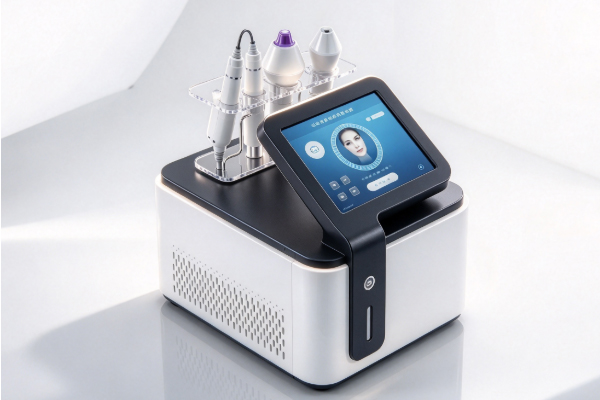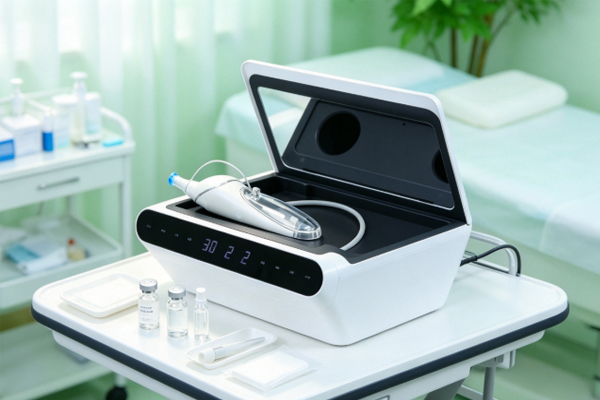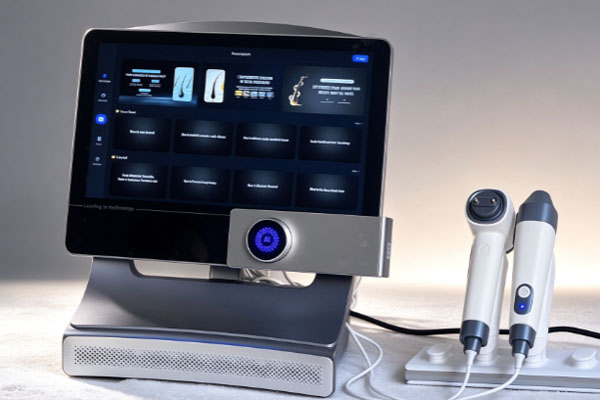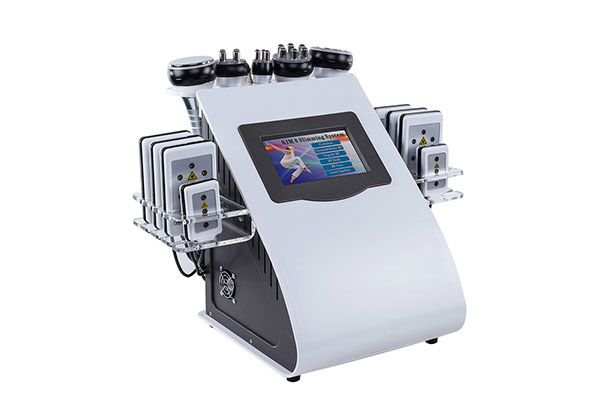
Skin laxity is a common sign of skin aging. As people grow older, changes in collagen, elastic fibers, and the extracellular matrix can gradually affect skin firmness. The cheeks, jawline, eye area, and neck may develop reduced firmness, less-defined contours, and localized sagging. Fibroblast Plasma is an aesthetic equipment technology associated with terms such as Fibroblast Plasma, Plasma Fibroblast, and Fibroblast Plasma Pen. It primarily uses controlled plasma energy to create a localized effect on selected skin areas and is commonly associated with skin-firming care in the aesthetic equipment market. This technology attracts interest from people seeking to improve the appearance of mild skin laxity. However, skin laxity can have different causes, and changes in the skin surface cannot be treated in the same way as reduced support in deeper tissues. Understanding how the device works, its intended applications, and its technical specifications can help users make more informed decisions about its role in skin laxity care.
How Does Fibroblast Plasma Work on Skin Laxity?
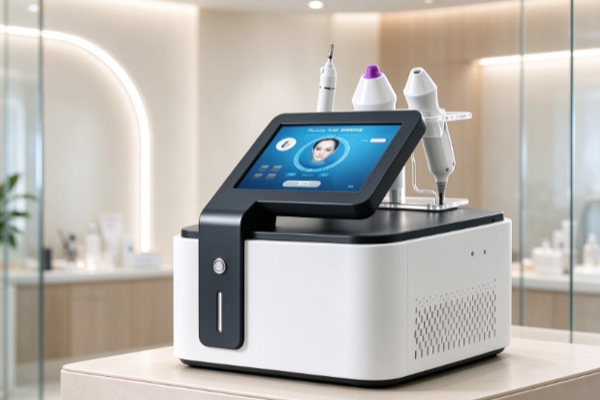
Fibroblast Plasma beauty devices generally use plasma discharge to produce a localized energy effect, creating a controlled thermal response on or near the skin surface. After receiving this energy stimulation, the skin enters a natural recovery process, during which the affected area may undergo changes in appearance. Fibroblasts are cells involved in maintaining collagen, elastic fibers, and the extracellular matrix, which explains the association between this technology and the term “Fibroblast.” However, the effects of these devices should not be directly equated with stimulating fibroblasts to produce large amounts of collagen. Nor should all plasma beauty machines be expected to deliver identical skin-firming results. Skin laxity may involve changes in the epidermis, dermis, subcutaneous tissue, and deeper supporting structures, while the energy penetration and treatment characteristics of different devices can vary. Fibroblast Plasma is better understood as an energy-based aesthetic technology intended to address selected skin appearance concerns. Its potential applications should be evaluated according to device design, manufacturer-defined intended uses, operating protocols, and individual skin conditions. When deeper tissues are significantly displaced or sagging is pronounced, a surface-focused energy device is unlikely to address every underlying concern.
Which Types of Skin Laxity May Be Suitable for Fibroblast Plasma?
Skin laxity can present differently depending on age, skin condition, and the area of the body involved. Some people experience reduced firmness in localized areas, while others notice less-defined jawlines or changes in the texture of the skin around the eyes and neck. Fibroblast Plasma devices are often considered in connection with mild superficial skin concerns. However, suitability for a particular area must be confirmed through the device manual and the manufacturer’s specified applications.
Common skin care concerns may include:
- Mild cheek laxity: Changes in skin elasticity may make the cheeks appear less firm. Any care plan should consider skin thickness, the degree of laxity, and the device’s actual treatment capabilities.
- Less-defined jawline contours: The appearance of the jawline is influenced by skin condition, fat distribution, and support from deeper tissues. A surface-focused energy device cannot replace treatment for underlying structural concerns.
- Skin laxity around the eyes: The skin around the eyes is thin and sensitive. Energy-based equipment requires particular attention to intended treatment areas, operating distance, and safety requirements. Not every device is suitable for this region.
- Reduced firmness in the neck: The neck may develop horizontal lines, a looser appearance, and changes in skin texture. Suitability for Fibroblast Plasma should be determined according to technical documentation and professional operating requirements.
- Localized changes in skin texture: Some people experience mild laxity together with uneven surface texture. The primary concern should be identified clearly so that improvements in surface appearance are not confused with lifting of deeper tissues.
These are common aesthetic care concerns, but they do not mean Fibroblast Plasma can address every type of skin laxity. Pronounced sagging, displacement of deeper tissues, or severe skin laxity requires professional assessment to determine an appropriate approach.
What Factors Affect the Skin-Firming Performance of Fibroblast Plasma?
The performance of Fibroblast Plasma equipment depends not only on plasma energy but also on device construction, parameter control, operating technique, and individual skin condition. Different models may use different energy-generation systems, pulse modes, electrode structures, and output ranges. Even devices with similar product names can have substantially different technical capabilities. Output stability affects an operator’s ability to control the device according to its instructions, while applicator design and handling characteristics influence usability in specific treatment areas. Skin thickness, sensitivity, age, and the underlying cause of laxity can also affect the choice of care approach. For aesthetic clinics, proper equipment use should be based on clear technical specifications and suitable operator training rather than continually increasing energy output in pursuit of more noticeable changes.
When purchasing or using this equipment, consider the following factors:
- Energy output stability: Review how the device performs at different settings and whether its adjustment methods are clearly specified.
- Operating modes and adjustment range: Confirm the purpose of each mode, its conditions of use, and the manufacturer’s operating instructions.
- Applicator design and precision: Assess whether the applicator is suitable for the intended treatment areas and supports controlled operation.
- Safety features: Review operating prompts, output controls, and other safety functions appropriate to the device design.
- Product documentation and certification: Check technical documents, intended applications, certification status, and applicable local regulations.
- Training and after-sales support: Determine whether the supplier offers operator training, maintenance services, replacement parts, and technical assistance.
These details help buyers determine whether a device meets their facility’s operational needs and provide a foundation for equipment management and standardized procedures.
What Precautions Should Be Taken When Using Fibroblast Plasma for Skin Laxity Care?
Skin laxity care should be planned according to the individual’s skin condition and the device’s intended applications. Age or the appearance of sagging alone should not determine whether a particular aesthetic device is appropriate. Fibroblast Plasma is an energy-based technology, and improper operation may cause excessive thermal injury, scabbing, pigment changes, infection, or scarring. Specific risks depend on the device, operating technique, and individual circumstances. Before treatment, an appropriately trained professional should assess the skin and determine whether there is damage, inflammation, or another condition that may make energy-based care unsuitable. Sensitive areas such as the eye and lip regions require strict compliance with the limitations stated in the device instructions. Operators should control energy, exposure time, operating distance, and treatment density according to the manufacturer’s requirements. Output settings should never be increased independently in pursuit of faster results. Aftercare should also follow professional guidance, and treated or irritated areas should not be handled inappropriately. People with significant laxity in deeper tissues, pronounced facial sagging, or other skin concerns should receive professional assessment rather than relying on a single beauty device. Buyers must also verify that the equipment is legally marketed and used in their region instead of treating unverified promotional claims as evidence of actual performance.
How to Choose a Fibroblast Plasma Beauty Machine for Skin Laxity Care?
For beauty salons, skin management centers, and aesthetic medical equipment buyers, selecting a Fibroblast Plasma Beauty Machine should begin with the intended services and the device’s suitability for those applications. Manufacturers may use terms such as Fibroblast Plasma, Plasma Fibroblast, and Plasma Pen to describe related products, but similar names do not guarantee identical technology. Before purchasing, review the energy output method, parameter adjustment capabilities, applicator design, operating modes, intended treatment areas, and safety features. Product certifications, technical documentation, and manufacturer information should also be checked carefully. The supplier’s ability to provide structured training, maintenance, replacement parts, and ongoing technical support can influence the equipment’s long-term value. Facilities that primarily serve the cheeks, jawline, eye area, or neck should confirm whether the specific model is suitable for those regions and avoid transferring experience with one device directly to another. Skin laxity care also requires a distinction between superficial appearance concerns and changes in deeper tissue structures, with care plans adapted to individual needs. Fibroblast Plasma may be one option among energy-based aesthetic technologies for selected skin concerns, but it should not be promoted as a method that permanently eliminates laxity or replaces all medical lifting treatments. By verifying device capabilities, following operating protocols, and setting realistic expectations, professional facilities can provide aesthetic services more responsibly.