
Radiofrequency (RF) microneedling is a professional skin treatment technology that combines microneedling with radiofrequency energy. It is commonly used to address skin texture irregularities, fine lines, the appearance of enlarged pores, and certain types of acne scars. The device delivers radiofrequency energy to predetermined tissue depths through microneedles, using controlled thermal effects and microneedling stimulation to trigger tissue responses. Different devices vary in needle design, energy output, treatment depth, and operating modes, so their suitability depends on the device’s approved indications, the operator’s qualifications, and the individual’s skin condition. Understanding which skin concerns may respond to RF microneedling helps aesthetic clinics develop appropriate treatment plans and enables equipment buyers to assess whether a device meets their service requirements.
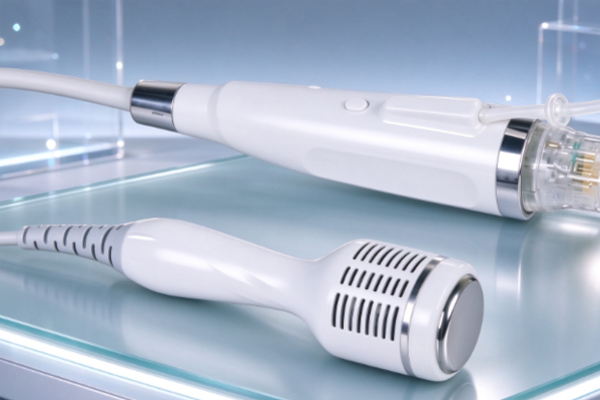
What Common Skin Problems Can RF Microneedling Improve?
RF microneedling is commonly evaluated for professional treatments targeting skin texture, fine lines, and the appearance of certain scars. After the microneedles reach the intended depth, they deliver radiofrequency energy to the target tissue. The resulting thermal stimulation, combined with the skin’s natural repair processes, may help improve selected skin concerns. Results vary between individuals and are influenced by the type and severity of the concern, treatment parameters, and post-treatment care.
Common treatment goals include:
- Visible pores: For individuals with visible pores and uneven skin texture, RF microneedling may be considered as one professional treatment option. Pore appearance is also influenced by sebum production, genetics, age, and skin elasticity, so treatment cannot guarantee that pores will disappear completely.
- Fine lines and mild skin laxity: The thermal effects of radiofrequency energy may support selected skin-firming treatments and help improve the appearance of certain fine lines and mild laxity. Outcomes depend on skin condition, device capabilities, and individual response.
- Acne scars and pitted scars: RF microneedling may help improve the appearance of certain atrophic acne scars by addressing uneven skin contours. Different scar types and depths require different assessments, and deeper scars may need combination treatments.
- Rough skin texture and uneven surfaces: RF microneedling may be considered for selected cases of rough skin or uneven texture. The condition of the skin barrier, the outer skin layer, and previous skin care practices should also be evaluated.
- Reduced skin elasticity: For individuals with mild loss of skin firmness, treatment may help improve the appearance of skin tightness. However, it cannot replace surgical procedures or guarantee a significant lifting effect.
RF microneedling is best considered for clearly defined skin concerns following a professional assessment. Before treatment, patients should understand the expected outcomes, possible recovery period, and potential risks. Idealized promotional results should not be interpreted as outcomes that every patient can expect.
Can RF Microneedling Help with Acne Scars and Pitted Scars?
Acne scars often develop when inflammatory acne damages the dermal tissue. Common types include ice-pick scars, rolling scars, and boxcar scars. These scars differ in depth, width, and tissue structure, so treatment plans should be selected according to the specific scar type. RF microneedling delivers energy to targeted tissue through microneedles, stimulating localized tissue responses and offering a treatment option for improving the appearance of certain atrophic acne scars.
For superficial or some moderately deep depressed scars, RF microneedling may help reduce the appearance of uneven skin contours following professional evaluation. However, deep and narrow ice-pick scars, rolling scars attached to deeper tissue, and severe boxcar scars may require alternative treatments or combination approaches. Active acne, significant inflammation, or infection may need to be addressed before scar treatment. RF microneedling should not be regarded as a universal solution for every acne-related concern.
Before treatment, qualified professionals should assess scar morphology, skin barrier condition, previous treatment history, and the risk of post-inflammatory hyperpigmentation. Patients should also be informed that multiple sessions may be necessary and that outcomes vary from person to person. For acne scar treatment, a realistic goal is gradual improvement in scar appearance rather than a promise of completely smooth skin after a single session.
Is RF Microneedling Suitable for Enlarged Pores, Fine Lines, and Skin Laxity?
Visible pores, fine lines, and reduced skin elasticity may be associated with sebum production, natural aging, sun exposure, genetics, and changes in collagen structure. RF microneedling combines microneedling with radiofrequency energy to provide a professional treatment option for selected skin texture and firmness concerns. Although its mechanism differs from that of topical skin care products, this does not mean that every case of enlarged pores, fine lines, or skin laxity is suitable for the procedure.
Pore concerns should be evaluated in relation to sebum production, skin cell turnover, and elasticity. If visible pores are primarily associated with excessive oil production or comedones, daily skin care and other targeted treatments may also be important. For pores that appear more prominent because of changes in skin texture, a qualified professional can determine whether RF microneedling is appropriate.
Fine lines and mild skin laxity also require assessment according to their severity. RF microneedling may help improve the appearance of certain fine lines and skin firmness, but its ability to address pronounced sagging, deep folds, or substantial changes in tissue volume is limited. Treatment areas, needle depth, and radiofrequency settings must be selected according to the manufacturer’s instructions and professional assessment. Increasing energy solely to achieve stronger stimulation is not an appropriate approach. Post-treatment skin responses, adherence to aftercare instructions, and follow-up assessments also influence the overall treatment experience and recovery process.
Which Skin Conditions May Make RF Microneedling Unsuitable?
RF microneedling involves skin penetration and energy delivery, so it is not immediately suitable for everyone. A pre-treatment skin assessment is an important step in reducing risks. Qualified professionals should review the current skin condition, medical history, medications, previous aesthetic procedures, and contraindications listed in the device instructions. If a condition temporarily makes treatment unsuitable, it should be addressed before proceeding. A dermatologist’s assessment may be necessary in some cases.
The following conditions require particular caution and may warrant postponing or avoiding treatment, depending on professional advice:
- Active skin infections: If the treatment area has an active bacterial, viral, or other infection, it should be appropriately assessed and managed before treatment to avoid aggravating or spreading the infection.
- Significant inflammation or open wounds: Areas with severe redness, broken skin, discharge, or unhealed wounds should not undergo microneedling without appropriate medical evaluation.
- Active acne or severe irritation: Individuals with significant inflammatory acne, a compromised skin barrier, or persistent irritation should have their skin assessed before deciding on the appropriate treatment sequence.
- A history of abnormal scarring: People with a history of keloids or excessive scar formation require a professional risk assessment.
- A higher risk of pigmentation changes: Some individuals with darker skin tones or a history of post-inflammatory hyperpigmentation may face a risk of pigmentation changes after treatment. A qualified professional should evaluate treatment settings, aftercare requirements, and alternative options.
- Certain medical conditions or medications: Pregnancy, implanted electronic devices, bleeding disorders, or medications that may affect wound healing require evaluation according to the device instructions and advice from a qualified medical professional.
Specific contraindications vary by device design, energy technology, and local regulatory requirements. The conditions listed above are not a universal contraindication checklist for every model. Patients should disclose relevant medical history before treatment, and appropriately qualified professionals should determine whether the procedure is suitable.
How Can You Determine Whether RF Microneedling Is Right for Your Skin?
Determining whether RF microneedling is appropriate requires more than identifying a skin concern by name. The underlying cause, severity, current skin condition, and treatment goals must all be considered. Similar-looking pores or fine lines may result from different factors. If the treatment does not address the underlying cause, even professional equipment may not deliver the desired improvement. A professional consultation should include a skin assessment, risk discussion, explanation of expected outcomes, and a plan for post-treatment care.
When considering RF microneedling treatment or purchasing related equipment, the following points deserve attention:
- Define the treatment goal: Determine whether the primary concern is acne scarring, fine lines, visible pores, or skin laxity. Avoid assuming that one treatment can address every concern.
- Verify the device’s approved indications: Review the device’s registration or authorization information, manufacturer’s instructions, adjustable needle depth, radiofrequency output, and approved treatment areas. Ensure that the intended procedure is consistent with the device’s authorized use.
- Check the operator’s qualifications: Choose a provider whose personnel have the appropriate qualifications and training to assess patients and perform the procedure.
- Understand the recovery process: Learn about possible redness, swelling, temporary discomfort, and other risks. Confirm the availability of post-treatment guidance and follow-up appointments.
- Set realistic expectations: The degree of improvement varies between individuals. Some concerns may require staged treatments or alternative approaches. Be cautious of claims guaranteeing the complete removal of acne scars, pores, or wrinkles.
For aesthetic clinics, selecting an RF microneedling machine also involves evaluating consumable availability, needle cartridge compatibility, maintenance requirements, technical training, and after-sales support. Equipment specifications and functions should match actual service requirements, and the device must be used in accordance with local regulations and professional standards.
RF microneedling may be considered for professional assessment and treatment of certain acne scars, visible pores, fine lines, uneven skin texture, and mild skin laxity. However, it is not suitable for every skin type or skin condition. A thorough pre-treatment assessment, appropriate equipment selection, professional operation, and proper aftercare help determine its suitability and reduce avoidable treatment risks.





