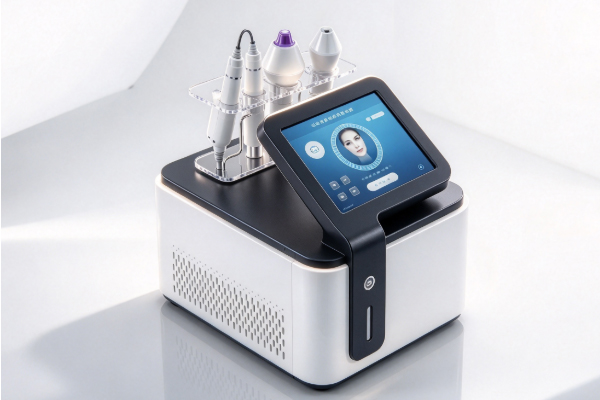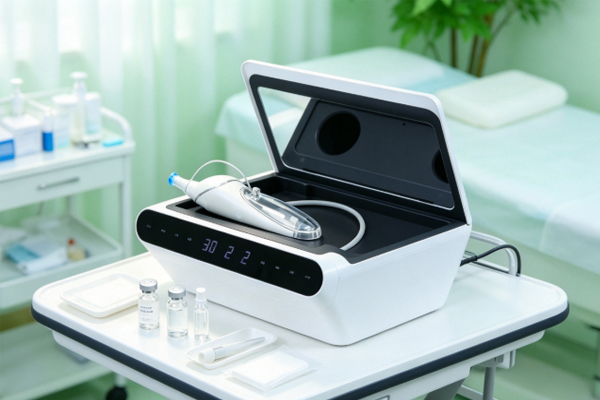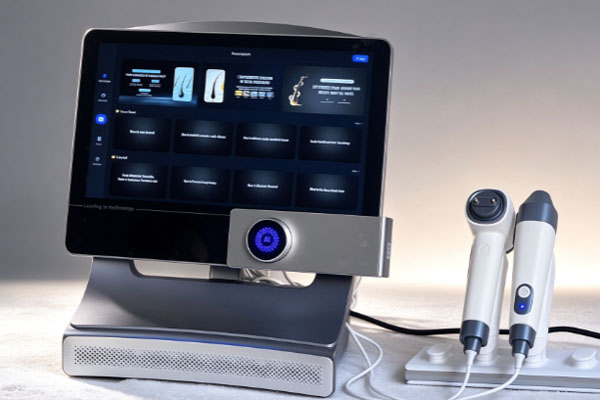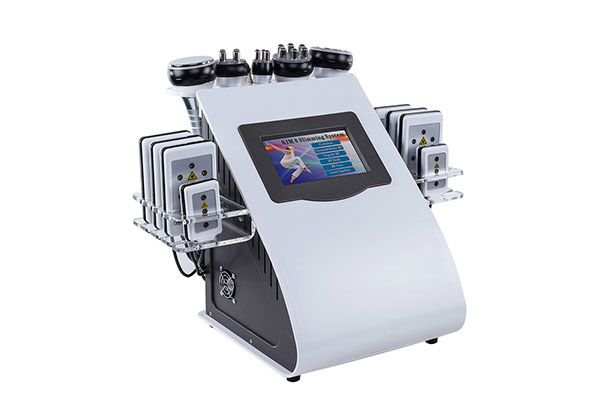
Radiofrequency (RF) microneedling machines combine microneedling technology with radiofrequency energy to support professional skin treatments. By delivering energy to targeted skin tissue through microneedles, these devices offer treatment options for selected concerns, including acne scars, uneven skin texture, fine lines, and mild skin laxity. As aesthetic technology continues to advance, RF microneedling machines are available with different needle designs, radiofrequency outputs, treatment depths, and operating modes. Their suitability depends on the device’s approved indications, professional assessment, and the individual’s skin condition. Understanding the common applications of RF microneedling helps aesthetic clinics plan treatment services, select appropriate equipment configurations, and establish standardized operating procedures.
RF Microneedling for Acne Scar Improvement
Acne scar improvement is one of the common applications of RF microneedling machines, particularly for certain atrophic acne scars that cause depressions and uneven skin contours. The device delivers radiofrequency energy to targeted tissue through microneedles. Localized thermal effects and microneedling stimulation trigger tissue responses, providing a professional treatment option for improving the appearance of selected scars. Actual results depend on scar depth, scar type, skin condition, treatment parameters, and individual healing responses. The degree of improvement cannot be guaranteed to be the same for everyone.
Different acne scar types require different assessments. Superficial depressions and some rolling scars may be considered for RF microneedling, while deep ice-pick scars or scars tethered to deeper tissue may require alternative treatments or combination approaches. People with significant inflammation, active acne, or skin infections may need to address these conditions before undergoing microneedling. Qualified professionals should also explain that multiple sessions may be necessary, recovery times vary, and possible adverse effects include redness, swelling, pigmentation changes, and other skin reactions.
RF Microneedling for Visible Pores and Skin Texture Improvement
Visible pores, rough skin, and uneven surface texture are common reasons people seek professional aesthetic treatments. RF microneedling machines may be used to assess and treat selected skin texture concerns. The combination of microneedling and radiofrequency energy stimulates responses in targeted tissue and may help improve the appearance of certain skin irregularities. However, pore appearance is also influenced by genetics, sebum production, age, and skin elasticity. RF microneedling cannot guarantee the complete elimination of visible pores and may not be suitable for every pore-related concern.
If visible pores are primarily associated with excessive oil production, comedones, or accumulated dead skin cells, daily skin care and other targeted treatments may also play an important role. Qualified professionals should identify the main causes of the skin concern and determine whether RF microneedling is appropriate. Individuals with a compromised skin barrier, persistent inflammation, or recent exposure to other irritating treatments require careful assessment before proceeding. Appropriate device selection, treatment parameters, and post-treatment care can help minimize unnecessary irritation and ensure that the treatment plan reflects the individual’s skin condition.
RF Microneedling for Fine Lines and Skin-Firming Treatments
As people age, prolonged sun exposure and changes in skin structure may contribute to fine lines, reduced elasticity, and mild skin laxity. RF microneedling machines may be used in selected treatments targeting fine lines and skin firmness. The device delivers radiofrequency energy to predetermined tissue through microneedles, producing thermal effects that stimulate local tissue responses. These applications require assessment of skin laxity, treatment location, and device capabilities. RF microneedling should not be considered a universal replacement for surgical lifting or every other anti-aging treatment.
In practice, different facial areas have different skin thicknesses, sensitivity levels, and tissue structures. Appropriate needle types, treatment depths, and energy settings may therefore vary. Sensitive areas, such as the eye area and neck, require particular care. The operator must confirm that the device is approved for the intended treatment area and has received appropriate training. RF microneedling may have limited benefits for pronounced sagging, deep wrinkles, or substantial loss of tissue volume. Treatment planning should include a clear explanation of expected improvements, potential session requirements, recovery time, and possible risks rather than relying on exaggerated claims.
Integrating RF Microneedling into Professional Aesthetic Treatment Programs
RF microneedling machines can be incorporated into selected treatment programs at medical aesthetic clinics, but their applications depend on device design, approved indications, and local regulations. When planning services, clinics should not base treatment decisions solely on market demand or promotional materials. Operator qualifications, pre-treatment assessment, consumable management, infection control, and post-treatment follow-up must also be considered. A complete operating process helps staff identify unsuitable candidates and supports more consistent equipment use.
Professional treatment management should focus on the following areas:
- Pre-treatment skin assessment: Document the individual’s skin condition, treatment goals, previous procedures, relevant medical history, and factors that may affect recovery. For active infections, significant inflammation, or other contraindications, determine whether treatment should be postponed or avoided based on professional advice.
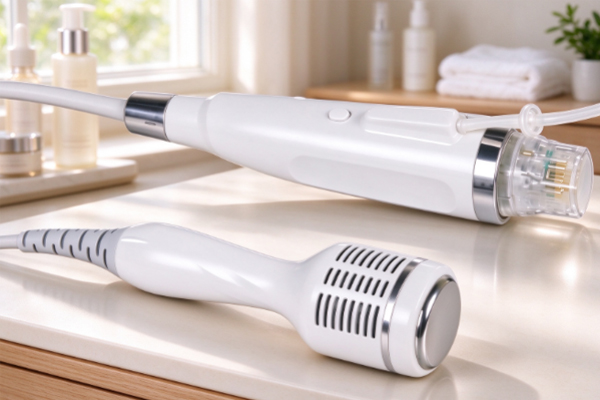
- Device and needle compatibility: Confirm that treatment tips, needle cartridges, and device models are compatible according to the manufacturer’s instructions. Needle depth and radiofrequency settings must follow approved indications and the professional treatment plan. Increasing energy independently to achieve stronger stimulation is inappropriate.
- Hygiene and consumable management: Follow the instructions for hand hygiene, skin preparation, instrument handling, and waste disposal. Disposable needle cartridges must be used and discarded as directed and must never be reused.
- Post-treatment care guidance: Explain appropriate cleansing, sun protection, moisturizing, and temporary avoidance of irritating skin care products. Specific aftercare instructions should follow the device documentation and the recommendations of qualified professionals.
- Management of adverse reactions: Establish follow-up and referral procedures for worsening redness, significant pain, signs of infection, or unusual pigmentation changes. This helps ensure that patients can obtain timely medical assessment when necessary.
Standardized management enables clinics to integrate RF microneedling into professional service workflows while reducing risks associated with operating errors, improper consumable use, and inadequate aftercare. Device functions cannot replace professional judgment or eliminate all treatment risks.
How Can Aesthetic Clinics Choose the Right RF Microneedling Machine?
For aesthetic clinics, distributors, and equipment purchasing teams, selecting an RF microneedling machine requires consideration of intended treatments, technical specifications, regulatory requirements, and long-term operating costs. Devices may differ significantly in needle design, radiofrequency output range, depth adjustment methods, treatment tip configurations, and user interfaces. Buyers should review official technical documentation rather than deciding based only on promotional images, the number of advertised programs, or the purchase price.
The following factors deserve particular attention:
- Treatment parameters and adjustment ranges: Confirm the available needle depths, radiofrequency output, pulse settings, and energy adjustment methods. Verify that the relevant specifications are clearly documented in the product’s technical materials.
- Treatment tips and consumable supply: Check the available tip models, compatibility, per-treatment consumable costs, delivery lead times, and long-term supply arrangements.
- Regulatory documentation: Verify the registration or authorization documents required in the sales market, product instructions, manufacturer information, and approved indications.
- Operator training and technical support: Determine whether the supplier provides appropriate operating training, maintenance guidance, and technical assistance.
- Maintenance and after-sales service: Confirm the warranty period, spare-parts availability, fault-reporting procedures, and repair turnaround time to minimize operational disruption.
Equipment purchasing decisions should be based on the clinic’s actual service requirements and applicable regulatory standards. A suitable RF microneedling machine should provide the necessary technical features, clear operating instructions, a stable consumable supply, and reliable after-sales support. Before introducing the device into practice, clinics should ensure that operators have the appropriate qualifications and follow the manufacturer’s instructions and local regulatory requirements.
Common applications of RF microneedling machines include improving the appearance of selected acne scars, addressing visible pores and uneven skin texture, treating certain fine lines, and supporting mild skin-firming procedures. Suitability must be determined according to the individual’s skin condition, the device’s approved indications, and professional assessment. With appropriate equipment selection, standardized procedures, and comprehensive aftercare management, aesthetic clinics can plan these services more responsibly and provide patients with realistic expectations.