
A USB hair analyzer is a scalp observation tool that connects to a computer, tablet, or other compatible display device through a USB interface. It is typically equipped with a macro lens, LED lighting, and image capture functions. The device magnifies and displays localized details of the scalp surface and areas near the hair roots, helping users observe visible characteristics such as scalp oil, flakes, follicular openings, hair thickness, and hair distribution. Compared with observation with the naked eye, a USB hair analyzer provides more intuitive close-up images, making it convenient for beauty clinics, scalp care centers, and individuals to conduct routine observations and record images.
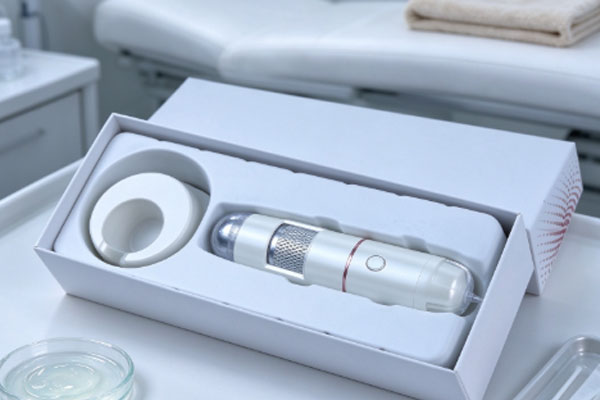
Scalp conditions that a USB hair analyzer can help observe include scalp oil buildup, flakes attached to the scalp, scalp redness, visible changes around follicular openings, and differences in hair density and hair thickness across different areas. Some devices support photography, video recording, image storage, and magnification adjustment, making it easier to observe the same area over time. However, the device’s observation capabilities depend on lens resolution, magnification, lighting performance, and software functions. The details displayed may vary between products.
Scalp Surface Problems That a USB Hair Analyzer Can Observe
A USB hair analyzer typically uses a magnifying lens and LED illumination to display scalp surface details on a screen. Operators can select different areas according to the examination purpose, observe oil, flakes, and changes in skin color, and save relevant images. Clear images help identify localized features, but the observations still need to be interpreted in combination with scalp cleansing habits, care records, and related symptoms.
Scalp Oil Buildup and Oily Hair Roots
The sebaceous glands in the scalp secrete sebum to maintain lubrication on the skin’s surface. When there is excess scalp oil, the areas near the hair roots may show noticeable oily reflections, and some strands may stick together. A USB hair analyzer can help observe these visible characteristics, allowing users to compare differences in oil distribution across the crown, frontal hairline, and back of the head.
Oil buildup: Observe whether there are noticeable shiny areas or oily deposits around the hair roots.
Regional differences: Compare scalp images from different locations and record whether there are significant differences in oiliness.
Cleansing condition: Consider the time since the last hair wash and the shampoo products used to understand the oiliness shown in the images.
It should be noted that the degree of shine is affected by the light source, shooting angle, and time since the last scalp wash. The amount of sebum secretion cannot be determined as abnormal based on images alone.
Dandruff and Keratin Buildup
Small white or pale yellow flakes may appear on the scalp surface. Some may adhere near the hair roots, while others may be distributed across the scalp. A USB hair analyzer can magnify these flakes to show their shape, distribution, and degree of attachment. However, the appearance of flakes does not directly reveal their cause. Dryness, cleansing habits, skin inflammation, and other factors may all be associated with scalp flaking. If flaking continues to increase and is accompanied by redness or significant itching, seek professional evaluation rather than relying solely on magnified images for assessment.
Observing Follicular Openings and Hair Conditions with a USB Hair Analyzer
In addition to scalp oil and flakes, a USB hair analyzer can be used to observe visible structures around follicular openings, as well as differences in hair thickness, distribution, and localized appearance. These images help establish scalp observation records, but they cannot fully display deeper follicular structures or directly determine whether hair follicles have normal growth capacity.
Follicular Openings and Surrounding Deposits
In magnified images, follicular openings generally appear as the points where hair strands emerge from the skin. Operators can observe whether noticeable oil, keratin, or other deposits are present around these openings and check for visible changes in local skin color. Avoid assuming that every small, dot-like depression is a follicular opening. Similarly, an opening that is not clearly visible does not mean that the follicle has closed. Obstructing hair strands, inaccurate lens focusing, and surface residue may all affect image identification.
Differences in Hair Thickness and Local Distribution
A USB hair analyzer can magnify individual hair strands and, when shooting conditions are suitable, help compare hair thickness and distribution across different areas. Some devices also include software that can annotate images, save examination records, or perform basic image analysis.
Hair thickness: Observe whether there are noticeable differences in thickness within the same area, but do not determine a specific type of hair loss based on a single image alone.
Local density: Compare the visible distribution of hair strands across different areas using the same magnification and similar shooting conditions.
Hair root condition: Examine where the hair strands emerge from the scalp and the visible features around these points, taking care not to mistake flakes or oil for follicular structures.
If persistent hair loss, changes in the hairline, or localized hair thinning need to be evaluated, images from a USB hair analyzer can serve as supplementary records. However, assessment should also consider medical history, clinical symptoms, and professional examinations.
How to Use a USB Hair Analyzer to Observe Scalp Problems
The amount of detail displayed by the device depends not only on lens performance but also on the operating method. Before examination, confirm that the lens is clean, the connection is stable, and the lighting is working properly. Then select an appropriate magnification level according to the observation objective. Standardized operation can reduce blurring, reflections, and repeated image capture, making the images more suitable for subsequent comparisons.
Connect the Device Correctly and Adjust Imaging Parameters
Before use, confirm that the USB hair analyzer is compatible with the computer or other display device, and complete the connection and software setup according to the product instructions. Some devices display live images directly, while others require dedicated software or drivers. When adjusting the lens, begin at a lower magnification to locate the scalp area, then increase the magnification as needed to examine local details. For areas with excess oil that are prone to reflections, adjust the light intensity and lens angle appropriately to prevent strong light from obscuring follicular openings and hair outlines.
Capture and Save Scalp Images Properly
During examination, gently part the hair to fully expose the scalp area to be observed. Maintain the distance between the lens and the scalp according to the device design. Take photographs or record videos only after the image becomes clear and stable. To facilitate comparisons, record the examination date, observation location, magnification level, and recent hair-washing history when saving images. For subsequent comparisons, use the same location and similar imaging conditions whenever possible to avoid misinterpreting changes caused by differences in photography. If images remain blurry, check lens cleanliness, focus, light settings, and device connectivity. For contact probes, follow the cleaning and disinfection requirements specified by the manufacturer to prevent cross-contamination between users.
Frequently Asked Questions
Q1: Can a USB Hair Analyzer Determine Whether the Scalp Is Healthy?
Answer: The device’s images alone cannot determine whether the scalp is healthy. The device can help observe visible features such as oil, flakes, hair roots, and scalp color, but these images alone cannot establish the cause of a medical condition. If symptoms persist, seek further evaluation from a qualified medical professional.
Q2: Can a USB Hair Analyzer Detect Hair Loss?
Answer: It can help observe hair distribution and differences in hair thickness. If localized changes in hair growth need to be monitored, images can be saved under similar shooting conditions. However, the device cannot independently determine the specific cause of hair loss or guarantee an accurate assessment of its severity from a single examination.
Q3: Does Higher Magnification Mean Better Examination Results?
Answer: Not necessarily. High magnification is suitable for observing small, localized details, but it generally provides a narrower field of view and requires greater focusing accuracy and operational stability. Lower magnification makes it easier to observe hair distribution across larger areas of the scalp. Select an appropriate magnification according to the examination objective, and prioritize actual image clarity.
A USB hair analyzer can help observe scalp oil, flakes, visible features around follicular openings, and differences in hair thickness and localized distribution. Through magnified imaging and image storage functions, users can examine scalp surface conditions more intuitively and maintain records for daily care. For beauty clinics and scalp care centers, important factors to consider when selecting a device include lens performance, light adjustment, image clarity, software compatibility, and data storage functions. During actual use, follow standardized procedures for lens adjustment, area imaging, and image recording to avoid observation errors caused by reflections, obstructing hair strands, or improper operation. At the same time, it is important to understand the limitations of a USB hair analyzer. The device can display certain scalp surface features, but it cannot replace professional medical diagnosis or determine the condition of deeper follicular structures or the cause of hair loss based on images alone. Only by combining device observations with personal symptoms, daily care records, and necessary professional examinations can users gain a more reasonable understanding of scalp conditions and obtain valuable reference information for subsequent care or medical evaluation.





