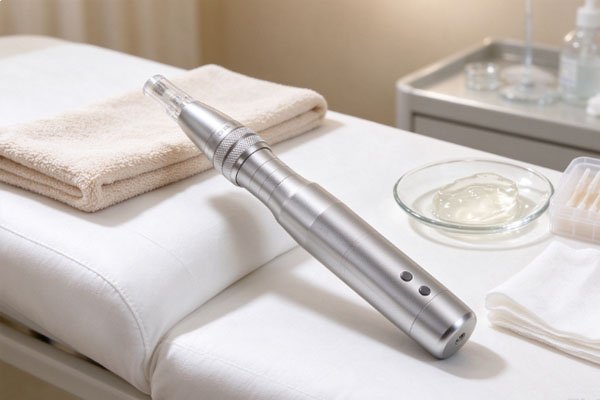
An LED microneedling pen with a wireless roller is a beauty device that combines microneedling treatment with LED light therapy. It typically uses a microneedling component for skin care and different wavelengths of LED light to support skin management. Depending on the device configuration, the available LED light colors may include white, red, green, blue, yellow, purple, and blue light within specific wavelength bands. Different colors correspond to different wavelength ranges, and their interactions with skin tissue also vary. LED light therapy generally involves exposing the skin to light at specific wavelengths to help improve certain skin conditions. Red light is commonly used in skin repair and fine-line care treatments, blue light is often used for acne-prone skin management, and yellow light is commonly used in treatments related to soothing redness.
However, light color alone does not determine treatment effectiveness. Actual results also depend on light intensity, exposure time, device output parameters, and skin condition. LED light therapy and microneedling are two different technologies. LED light primarily provides supportive skin care through mechanisms such as photobiomodulation, while microneedling creates microchannels in the skin through mechanical stimulation. When these two technologies are combined, the treatment procedure should follow the device instructions and professional operating standards. In particular, the skin barrier may be temporarily affected after microneedling, so exposure time should not be increased arbitrarily, and skin care products that have not been confirmed as suitable should not be used.
Common LED Light Colors in Microneedling Pens and Their Functions
White Light: Supporting Improvements in Skin Condition
White light is generally produced by combining visible light at different wavelengths, and its specific spectrum depends on the device’s light source design. Some beauty devices use white light for daily skin management to help improve skin appearance, but white light does not necessarily have an independent, clearly defined therapeutic effect.
Common uses: Supporting daily skin care in combination with the treatment programs configured for the device.
Usage precautions: The specific functions of white light should be assessed based on the device’s spectrum and output parameters. Its ability to promote metabolism or remove pigmentation should not be inferred from light color alone.
Red Light (650–730 nm): Supporting Skin Repair
Red light is a common light source in LED beauty devices. Red light within specific wavelength bands may be used in research related to photobiomodulation. Its effects depend on the light dose, wavelength, and response of skin tissue. Some devices use red light for skin repair and fine-line care treatments. Red light does not directly supply collagen to the skin. Instead, it helps regulate related cellular activities through interactions between light and tissue. Actual results vary between devices, and there is no guarantee that treatment will eliminate wrinkles or significantly improve skin firmness.
Green Light (430–450 nm): Confirming the Actual Spectrum Is Necessary
Green light generally falls within the visible light range of approximately 495–570 nm. Some beauty devices use green light in treatments related to skin tone management, but its effects and actual results need to be assessed based on the specific wavelength and device parameters. Green light should not simply be equated with germicidal light, nor should its ability to treat acne be assumed based on color alone.
Skin Care Applications of Blue, Yellow, and Purple Light
Blue Light (Approximately 460–495 nm): Supporting Acne-Prone Skin Management
Blue light is commonly used in skin care treatments related to acne. Blue light within specific wavelength bands can interact with endogenous photosensitive substances produced by acne-associated bacteria. Therefore, some blue light devices are used to support the improvement of mild acne. However, actual results depend on the light source wavelength, output dose, exposure method, and acne type. Blue light should not be simply regarded as a germicidal light suitable for all skin concerns. Users with significant inflammation, infection, or other skin conditions should undergo professional evaluation first.
Yellow Light (Approximately 565–590 nm): Supporting Skin Soothing
Yellow light generally falls within the yellow region of the visible light spectrum. Some beauty devices use it in treatments intended to soothe redness and support care for sensitive skin. Its specific effects depend on the wavelength and light dose used by the device, and there is no guarantee that all types of redness can be improved with yellow light. If significant redness or swelling occurs after microneedling, determine whether it is part of the normal recovery process before proceeding. Yellow light exposure alone should not be relied upon to address these symptoms. If redness or swelling continues to worsen, pain develops, or other abnormal symptoms appear, seek medical evaluation promptly.
Purple Light (Approximately 380–450 nm): Pay Attention to Wavelength and Safety
Purple light is located in the short-wavelength region of the visible light spectrum. Some devices use purple light in specific skin care programs. However, the wavelength ranges of purple and blue light may overlap, so their specific applications cannot be determined solely by the color indicated on the device.
Confirm Before Use: Check the actual wavelength, light intensity, and recommended exposure time in the product manual.
Protect the Eyes: Take appropriate eye protection measures according to the device requirements and avoid looking directly at the light source.
Avoid Extending Exposure Time Without Guidance: Longer exposure does not necessarily produce better skin care results and may increase the risk of discomfort.
LED Light Selection and Usage Precautions for Microneedling Pens
The choice of LED light for a microneedling pen should be based on the treatment goals and the device’s actual parameters rather than color alone. Different light colors have different wavelength ranges, but devices using the same color may also have significant differences in output. When evaluating device performance, consider the light source type, spectral range, irradiance, exposure time, and the applications specified by the manufacturer.
Select Light According to Treatment Goals
If the goal is to support skin repair, review the device’s red light wavelength range and relevant usage instructions. If the goal is acne-prone skin management, confirm the actual blue light wavelength and whether the device is designed for this application. For concerns such as uneven skin tone, pigmentation, or persistent redness, a specific LED light color should not be assumed to be effective.
Distinguish Between Microneedling and LED Exposure Procedures
Microneedling mechanically stimulates the skin barrier, whereas LED light exposure uses a different form of physical interaction. When the two are combined, it is necessary to confirm whether the device permits LED exposure immediately after microneedling, as well as the applicable exposure parameters and hygiene requirements. For wireless roller-style LED microneedling pens, check that the roller structure, needle module, and light source are functioning properly. If the needles are designed as single-use sterile consumables, replace them as required and never reuse them. If significant pain, abnormal bleeding, or worsening skin reactions occur during treatment, stop the procedure and seek professional evaluation.
Frequently Asked Questions
Can Red and Blue Light Be Used Simultaneously with an LED Microneedling Pen?
Whether they can be used simultaneously depends on the device design and the manufacturer’s instructions. Some devices support combinations of different light sources, but using multiple colors at the same time does not necessarily produce better skin care results. If the device does not provide a clearly defined combined-use program, do not modify the device or combine exposure programs on your own.
Do All Seven Light Colors of an LED Microneedling Pen Have Clearly Established Skin Care Benefits?
Not necessarily. A device offering seven light colors indicates that it has corresponding light source modes, but this does not mean that every color is supported by sufficient clinical evidence. The actual effects should be assessed based on wavelength, light dose, intended users, and research evidence. Results should not be determined solely by product claims.
Can LED Light Be Used Immediately After Microneedling Treatment?
This depends on the device instructions and the depth of microneedling. After microneedling, the skin may temporarily become more sensitive, and some light exposure programs may not be suitable for immediate use. Follow the manufacturer’s requirements and professional guidance. Avoid increasing light exposure on your own when the skin shows significant redness, swelling, damage, or other abnormal reactions.
The selection of LED light for a microneedling pen should be based on actual treatment needs, device parameters, and skin condition. Red, blue, yellow, and other LED light colors have different wavelength characteristics, and their applications and supporting research evidence also vary. Treatment effectiveness cannot be determined by light color alone. For beauty clinics, LED microneedling pens combine mechanical stimulation from microneedling with LED light exposure to provide different treatment options for skin care. Red light is commonly used in skin repair and fine-line care treatments, blue light is often used for acne-prone skin management, and yellow light may be used in certain soothing treatments. The specific applications of white, green, and purple light should be assessed based on the device’s actual wavelengths, output parameters, and intended uses stated in the instructions. When purchasing an LED microneedling pen, it is advisable to check whether the light wavelengths are clearly specified, whether the exposure parameters are available, whether the needle consumables meet hygiene requirements, and whether the device comes with complete operating and maintenance instructions. Understanding the technical differences between light sources helps users select appropriate device modes and explain their applications and precautions. Light color is only one part of a device’s functionality. Standardized operation, appropriate parameter settings, and proper assessment of skin condition are essential foundations for carrying out these treatments safely.