An RF microneedling beauty machine is a professional aesthetic device that combines microneedling technology with radiofrequency (RF) energy. It works by inserting fine needles into a predetermined skin depth and delivering RF energy to targeted tissue to support skin tightening, skin texture improvement, and the treatment of certain types of depressed acne scars. Compared with conventional RF devices that primarily deliver energy through the skin surface, RF microneedling systems use needle structures to deliver energy at selected tissue depths. The actual treatment mechanism depends on the RF system design, needle configuration, energy delivery mode, and depth adjustment capabilities. Understanding how an RF microneedling machine works helps aesthetic clinics, medical aesthetic professionals, and equipment buyers evaluate its technical features and select a device that meets their treatment requirements.
How Does an RF Microneedling Beauty Machine Generate and Deliver Radiofrequency Energy?
The core principle of RF microneedling is to use microneedles to establish an energy delivery pathway and then generate a thermal effect through radiofrequency current in the tissue. During operation, the RF generator produces electrical energy at a specific frequency and delivers it through the handpiece and needle assembly to the targeted skin area. The tissue responds to the RF current through electrical resistance, generating heat that acts on localized tissue structures.
Unlike conventional microneedling devices that primarily create tiny channels in the skin, RF microneedling combines needle penetration with radiofrequency energy to produce a thermal effect. Needle penetration depth, RF output intensity, pulse duration, and needle arrangement can all influence how energy is distributed within the tissue. Some devices allow operators to adjust needle depth and select different energy modes to accommodate different treatment areas.
Energy delivery in RF microneedling is not simply a matter of transferring heat into the skin. Its distribution also depends on tissue impedance, needle design, and electrode configuration. Different devices may use substantially different RF technologies, so their actual performance cannot be determined by appearance or advertised specifications alone. Professional operators should configure the device according to the manufacturer’s technical documentation and instructions to ensure that it operates as intended.
How Do Microneedle Penetration and RF Thermal Effects Work Together?
RF microneedling combines the mechanical action of microneedles with the thermal effects generated by radiofrequency energy. These two mechanisms work together during the same procedure. The needles penetrate to a predetermined depth, while the RF energy acts on the targeted tissue through the device’s electrode structure. This combined design allows the device to control needle depth while applying thermal energy to selected tissue regions.
Microneedle penetration creates tiny channels in the skin and initiates the body’s natural wound-healing response. The thermal effect of RF energy can also influence local collagen structures and, under appropriate treatment conditions, support subsequent tissue remodeling. Collagen is an important structural protein that contributes to skin support and firmness. Changes in collagen structure are associated with skin texture, elasticity, and overall firmness.
The effects of RF microneedling do not necessarily appear immediately. Short-term reactions may include redness, mild swelling, and sensitivity, while subsequent tissue repair and remodeling require time. Individual skin conditions, age, scar type, and treatment protocols can influence the final outcome, and results cannot be guaranteed to be identical for every patient.
It is important to understand that stronger RF energy does not automatically produce better results. Excessive energy, inappropriate needle depth, or too many repeated passes over the same area may increase the risk of burns, pigmentation changes, scarring, and other adverse reactions. Treatment parameters should be selected by trained professionals according to the device instructions, treatment objectives, and individual patient characteristics.
What Are the Main Technical Components of an RF Microneedling Beauty Machine?
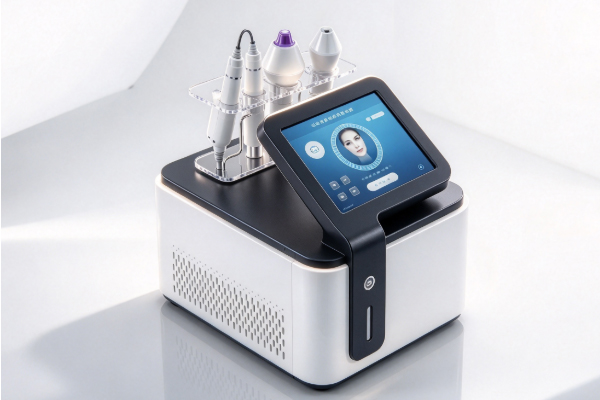
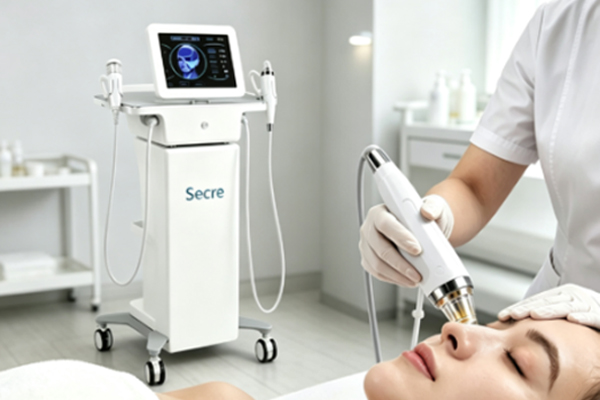
An RF microneedling beauty machine typically consists of a main unit, RF generator module, handpiece, microneedle cartridge, parameter control interface, and safety control system. Manufacturers may modify the internal structure according to the device’s intended applications and positioning in the market. Buyers should therefore verify the actual technical specifications instead of relying solely on the external design or advertised features.
Common core components include:
- Radiofrequency generator module: Generates the RF energy required by the device. Output stability, frequency specifications, and energy adjustment capabilities can influence operating performance.
- Microneedle cartridge: Contains needles arranged in specific quantities and configurations. The design affects the contact pattern, coverage area, and operating method. Cartridges should be used and replaced according to the manufacturer’s instructions.
- Needle depth adjustment mechanism: Controls how deeply the needles penetrate the skin. Some devices offer multiple adjustment levels to help professionals develop treatment protocols for different areas.
- Handpiece: Connects the main unit to the needle cartridge. Its weight, grip design, and control-button layout can influence handling comfort and ease of use.
- Parameter control interface: Allows operators to configure energy, pulse duration, needle depth, and operating modes. The available settings depend on the specific device model.
- Safety control system: Some devices include abnormal-condition alerts, output monitoring, or other protective functions to help operators identify equipment irregularities.
These components work together to determine the machine’s practical capabilities. For medical aesthetic clinics, understanding the specifications of each module makes it easier to compare different products and determine whether a device meets their operational requirements.
What Is the Operating Process of an RF Microneedling Beauty Machine?
Operating an RF microneedling beauty machine requires compliance with the manufacturer’s instructions, applicable regulations, and professional clinical protocols. A typical workflow includes equipment inspection, skin assessment, parameter configuration, controlled treatment, and post-treatment monitoring and care. Since different devices have different control interfaces and energy delivery methods, settings and procedures should not be transferred directly from one model to another without verification.
The typical operating process includes the following steps:
- Equipment inspection: Check the main unit, handpiece, connecting cables, and needle cartridge to confirm that they are in good condition. Review any error messages and ensure that the cartridge and consumables meet the device’s requirements.
- Skin assessment: A qualified professional evaluates the patient’s skin condition, previous treatments, and potential risk factors to determine whether RF microneedling is appropriate.
- Parameter configuration: Select needle depth, RF energy, and other adjustable parameters according to the device instructions, target area, and individual skin condition. Avoid increasing output intensity without appropriate justification.
- Controlled treatment: Use the handpiece according to the manufacturer’s recommended technique and treatment pattern. Maintain appropriate coverage and avoid unnecessary repeated passes.
- Post-treatment care: Provide appropriate skin care based on the skin’s response and explain cleaning, sun protection, and follow-up requirements. If significant pain, blistering, worsening redness, or other unusual symptoms occur, prompt professional medical assessment is recommended.
RF microneedling is a professional device involving both needle penetration and thermal energy. It is not an ordinary home skincare tool. Device operation, cartridge replacement, disinfection or sterilization procedures, and post-treatment management must follow the applicable product instructions and professional standards.
What Applications Does an RF Microneedling Beauty Machine Support, and How Should Buyers Evaluate Its Performance?
RF microneedling beauty machines are commonly used in professional skin management and medical aesthetic settings. Depending on the device’s authorized indications, technical specifications, and operating protocols, applications may include skin tightening, skin texture improvement, the management of visible pores, and treatment of certain types of depressed acne scars. The actual range of applications depends on the device’s registration or authorization status, technical parameters, and approved instructions for use. Individuals with active infections, significant skin inflammation, unhealed wounds, or other potential contraindications should be assessed by a qualified professional before treatment.
For aesthetic clinics, medical aesthetic facilities, and distributors purchasing RF microneedling equipment, technical configuration and safety support are equally important. Buyers should pay particular attention to the following considerations:
- RF technical specifications: Verify the stated RF frequency, output modes, energy adjustment range, and pulse settings. Confirm that the technical documentation is complete and clearly explains the parameters.
- Needle specifications and consumables: Review the number and arrangement of needles, adjustable depth range, cartridge replacement method, single-use requirements, and ongoing consumable availability.
- Operating system: Evaluate whether the interface allows professionals to configure parameters conveniently and clearly displays operating status and relevant alerts.
- Safety and regulatory documentation: Check the registration, authorization, or certification documents required in the intended market, together with the manufacturer’s risk control and maintenance instructions.
- Training and after-sales support: Confirm the availability of installation assistance, professional operator training, equipment repair, replacement parts, and technical support to reduce maintenance difficulties during long-term use.
The working principle of an RF microneedling beauty machine can be summarized as follows: microneedles penetrate to a predetermined skin depth, and radiofrequency energy is delivered to targeted tissue through the device’s electrode structure. The resulting localized thermal effect works alongside the skin’s natural repair processes to support specific treatment objectives. Needle design, RF output, depth control, and safety systems all influence device performance.
For equipment buyers, product selection should be based on technical specifications, authorized applications, consumable costs, regulatory documentation, and after-sales service rather than promotional claims or purchase price alone.