RF microneedling has become an important technology in the professional aesthetic equipment market, combining microneedle stimulation with radiofrequency energy to address selected skin texture and aging concerns. As demand for non-surgical aesthetic treatments continues to grow, clinics and equipment distributors are increasingly interested in understanding how RF microneedling machines work, which skin concerns they may help improve, and what features matter when choosing a device. From acne scar treatment to improving the appearance of enlarged pores and fine lines, RF microneedling offers a range of potential applications when used by qualified professionals. Understanding its working principles, treatment capabilities, equipment configurations, and safety requirements can help aesthetic professionals make informed decisions about treatment planning and device selection.
What Is RF Microneedling and How Does It Work?
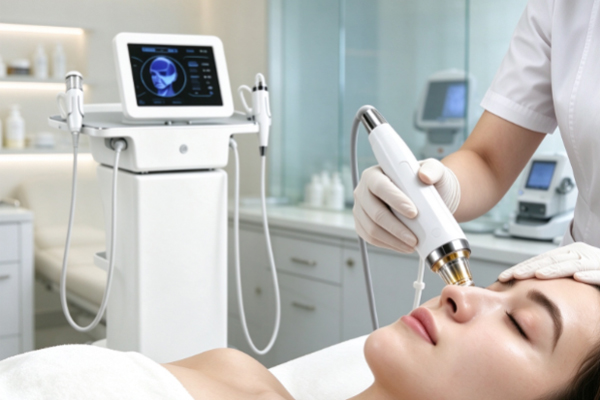
RF microneedling is a minimally invasive aesthetic treatment technology that combines microneedling with radiofrequency (RF) energy. By delivering controlled RF energy through fine needles into targeted skin layers, the treatment creates thermal stimulation while producing controlled micro-injuries. These effects can activate the skin’s natural repair processes and support collagen remodeling.
Unlike traditional microneedling, which relies primarily on mechanical stimulation, RF microneedling combines physical needle penetration with thermal energy. Treatment depth and energy settings can be adjusted according to the device design, treatment area, and individual skin condition. This allows trained practitioners to tailor procedures to different aesthetic needs while maintaining control over the treatment parameters.
RF microneedling is commonly used in professional aesthetic settings for concerns such as acne scars, uneven skin texture, enlarged pores, fine lines, and mild skin laxity. The actual results depend on factors such as the device configuration, treatment protocol, practitioner experience, and the patient’s skin condition.
The Main Mechanisms Behind RF Microneedling
RF microneedling works through the combined effects of mechanical stimulation and radiofrequency-induced thermal energy. Understanding these mechanisms helps aesthetic professionals evaluate suitable treatment applications and select appropriate equipment.
- Controlled micro-injury: Fine needles create tiny channels in the skin, triggering a natural wound-healing response. This process may support skin renewal and tissue remodeling.
- Radiofrequency thermal stimulation: RF energy generates heat in targeted tissue, encouraging collagen remodeling and potentially supporting new collagen formation over time.
- Collagen and elastin remodeling: The skin’s repair response may help improve the appearance of certain scars, fine lines, and uneven skin texture. The degree of improvement varies from person to person.
- Adjustable treatment depth: Depending on the device, needle penetration depth and RF output can be adjusted to target different tissue layers and treatment areas.
- Gradual aesthetic improvement: Changes in skin texture and firmness may develop over several weeks or months as the skin undergoes its natural remodeling process. Multiple sessions may be recommended depending on the treatment objective and clinical assessment.
These mechanisms make RF microneedling a versatile technology for professional aesthetic applications. However, appropriate device settings, patient selection, and treatment techniques are essential to achieve consistent results and reduce the risk of complications.
Common Aesthetic Applications of RF Microneedling
RF microneedling devices are used in professional settings to address selected skin texture and aging concerns. Treatment suitability depends on the individual’s skin condition, medical history, and the specific device’s approved indications.
- Acne scars: RF microneedling may help improve the appearance of certain atrophic acne scars by stimulating tissue remodeling. Scar type, depth, and severity influence the expected outcome.
- Enlarged pores and uneven texture: Collagen remodeling may improve the appearance of visible pores and rough skin texture in suitable candidates.
- Fine lines: Thermal stimulation and the skin’s repair response may help soften the appearance of certain fine lines, although results vary.
- Mild skin laxity: Some treatment protocols aim to improve the appearance of mild laxity by supporting collagen remodeling. RF microneedling should not be considered a replacement for surgical lifting procedures.
- Overall skin quality: Selected patients may experience improvements in skin smoothness and texture after a series of treatments, depending on their baseline condition and treatment plan.
A professional consultation is important before treatment. Active skin infections, certain inflammatory skin conditions, impaired wound healing, and other medical factors may affect suitability. Practitioners should follow the device manufacturer’s instructions and applicable clinical guidelines.
Key Functions and Configurations of RF Microneedling Devices
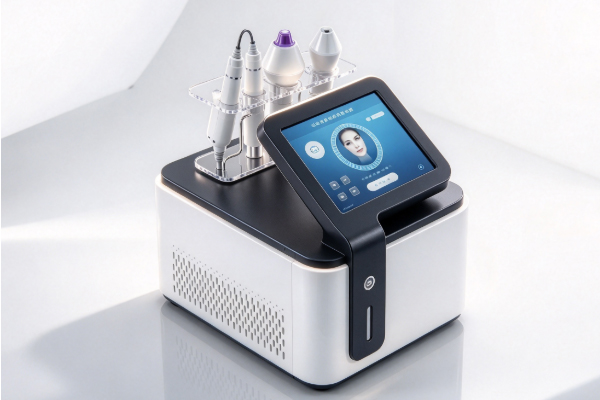
When selecting an RF microneedling machine, aesthetic clinics and equipment distributors should evaluate its technical specifications, treatment flexibility, safety features, and maintenance requirements. Different systems may offer different needle designs, energy delivery methods, and control options.
- Adjustable needle depth: Depth adjustment helps practitioners tailor treatment to the target area and clinical objective, within the device’s specified operating range.
- RF energy control: Adjustable energy settings allow trained users to select suitable parameters according to the treatment protocol and patient assessment.
- Needle cartridge design: Cartridge configuration, needle arrangement, and replacement procedures can influence treatment workflow, hygiene management, and operating costs.
- User interface and parameter management: A clear interface can help practitioners set treatment parameters, monitor operating status, and follow standardized procedures.
- Safety and quality controls: Important considerations include electrical safety, temperature or energy control features where applicable, manufacturer documentation, and compliance with relevant regulatory requirements.
- Maintenance and technical support: Reliable after-sales service, operator training, replacement parts, and clear maintenance instructions can help support long-term equipment performance.
For clinics considering equipment procurement, the purchase decision should account for intended applications, operator qualifications, consumable costs, service availability, and local regulatory requirements rather than relying on marketing claims alone.
Safety Considerations and Post-Treatment Care
Although RF microneedling is widely used in professional aesthetic practice, it is not suitable for everyone and may cause temporary redness, swelling, tenderness, pinpoint bleeding, or other adverse effects. Less common but more serious complications can include infection, burns, pigmentation changes, scarring, or prolonged inflammation, particularly when treatment is inappropriate or device settings are unsuitable.
Before a procedure, a qualified practitioner should review the patient’s medical history, skin condition, medications, healing history, and treatment expectations. The practitioner should explain potential benefits, limitations, alternatives, and risks, and determine whether the device is appropriate for the intended use. Sterile single-use components should be used where required, and infection-control procedures must be followed.
After treatment, patients should follow the practitioner’s instructions, use gentle skincare products, avoid unnecessary irritation, and protect the skin from direct sunlight. Strong exfoliants, retinoids, and other potentially irritating products may need to be temporarily avoided according to professional guidance. Patients should seek medical advice if they experience worsening pain, spreading redness, pus, fever, blistering, or other unexpected symptoms.
RF microneedling can be a useful option for selected aesthetic concerns when appropriate equipment, qualified practitioners, and careful patient assessment are combined. Understanding its working principles, applications, device specifications, and safety requirements helps clinics make informed decisions about treatment planning and equipment selection.