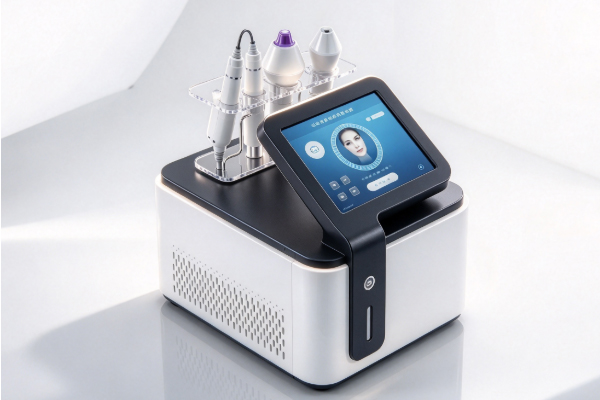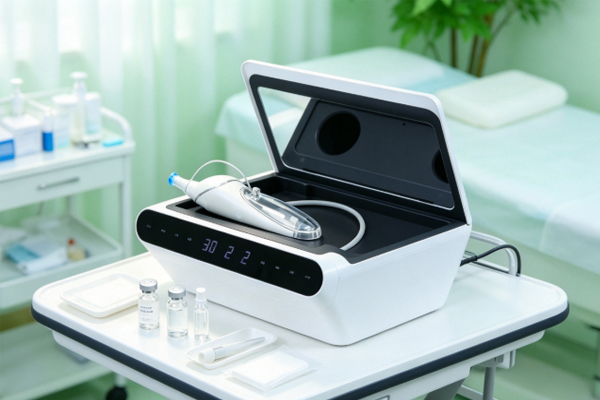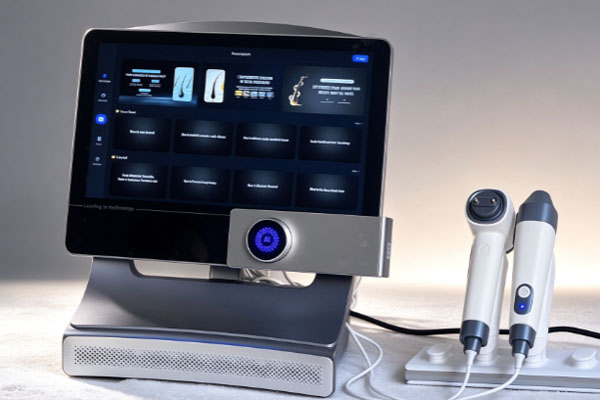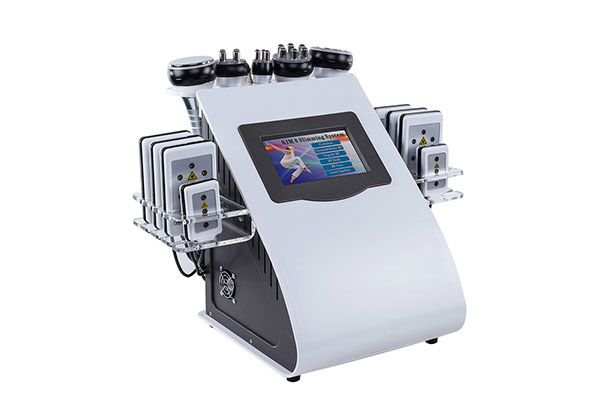
When beauty clinics want to expand their skincare services, they often compare fibroblast plasma devices with radiofrequency, laser, and microneedling equipment. Although all these devices are used in skin-related treatments, they work in different ways. Fibroblast plasma devices, also known as plasma pens, use a localized plasma arc to create a thermal effect. They are characterized by concentrated treatment points and flexible handheld operation. For beauty salons and skin care centers looking to expand their equipment options, these devices offer a different technology to consider. Whether a particular model meets their needs depends on its specifications and intended use.
What Are the Advantages of Fibroblast Plasma Devices?
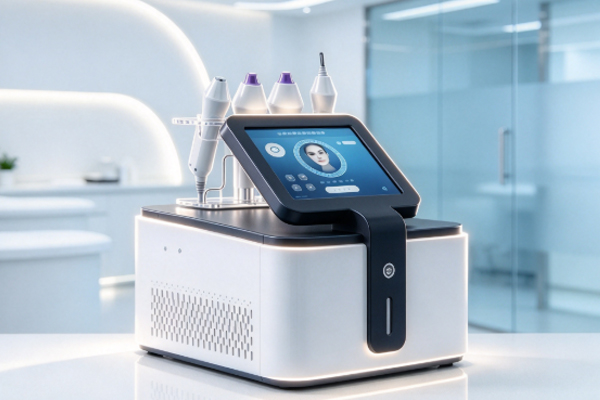
Fibroblast plasma devices generate a plasma arc at the tip, creating localized thermal points on the skin’s surface. Their key features go beyond a compact design. The localized treatment method and handheld structure make them suitable for professional use within the device’s intended application range.
- Localized treatment: Energy is concentrated near the treatment point, allowing trained professionals to target specific areas that are suitable for the procedure.
- Flexible handheld operation: The pen-shaped design makes it easier to position the device and perform procedures that require precise placement.
- More equipment options: For beauty clinics looking to expand their professional skincare services, these devices offer an additional option alongside existing equipment.
- Convenient storage: Some models feature a handheld unit and power supply, making the device and its accessories easier to organize.
For beauty clinics considering new equipment, fibroblast plasma devices offer a different approach from traditional radiofrequency or microneedling devices. However, localized treatment does not mean risk-free treatment. Plasma arcs may cause burns, pigmentation changes, or scarring. Use must follow the product instructions and local regulations, and procedures should be performed by appropriately qualified professionals.
What Is the Difference Between Fibroblast Plasma, RF, Laser, and Microneedling Devices?
When choosing beauty equipment, it is important to look beyond appearance and advertised results and understand how each device works. Fibroblast plasma devices use a localized plasma arc to create a thermal effect. Radiofrequency (RF) devices generate heat through electrical energy, laser devices use light at specific wavelengths, and microneedling devices create tiny punctures with fine needles. These different working principles affect how the equipment is used and which procedures it is designed to support.
- Compared with RF devices: Fibroblast plasma devices create localized arc points, while RF devices transfer thermal energy to target tissue according to their specific design.
- Compared with laser devices: The two technologies use different forms of energy. Lasers rely on light at specific wavelengths, and their applications depend on the type of laser device.
- Compared with microneedling devices: Fibroblast plasma devices generally do not rely on needle arrays to puncture the skin. Microneedling devices use needles to create tiny punctures, and some models also incorporate RF energy.
Each type of device has its own characteristics, and they are not simply interchangeable. Beauty clinics should choose equipment based on their planned services and the intended use of the specific device.
Which Beauty Clinics Are Fibroblast Plasma Devices Suitable For?
For beauty salons and skin care centers looking to add professional skincare equipment and expand their service options, fibroblast plasma devices may be worth evaluating. Their technology differs from that of RF, laser, and microneedling devices, making them an option for clinics with clearly defined application needs. However, suitable users, treatment areas, and expected outcomes must be assessed against the product instructions and professional guidance. These devices are not suitable for every skin type or skin concern.
What Should You Look for When Buying a Fibroblast Plasma Device?
When purchasing beauty equipment, clinics need to consider more than its functions. Ease of operation, included accessories, and ongoing maintenance also matter. Checking these details in advance can make it easier to select a model that matches the clinic’s actual needs.
- Operating design: Check the handheld structure and control method to see whether the device is practical for routine professional use.
- Product configuration: Confirm what is included in the standard package, such as the main unit, power supply, accessories, and user manual.
- Training support: Ask about operating instructions and technical guidance so staff can learn the correct procedures.
- After-sales service: Check how replacement accessories, routine maintenance, and equipment faults are handled to help avoid unnecessary disruptions.
Fibroblast plasma devices use localized plasma arc technology and offer flexible handheld operation, making them different from RF, laser, and microneedling equipment. If your beauty clinic is looking for new equipment or wants to expand its existing service options, this technology may be worth considering. Choosing a model that matches your needs can help create a more suitable equipment setup and support everyday use. Contact us to discuss product details, specifications, and included accessories, and find an option that fits your beauty business.