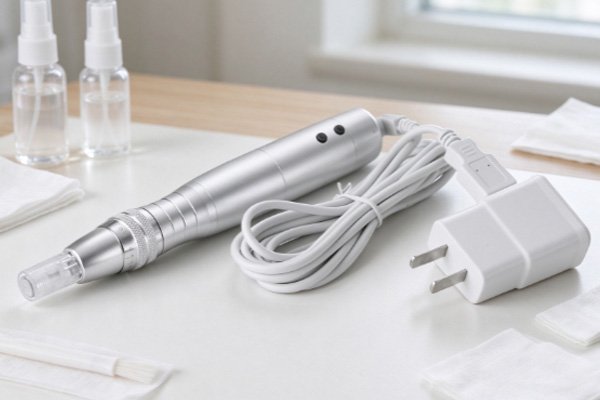
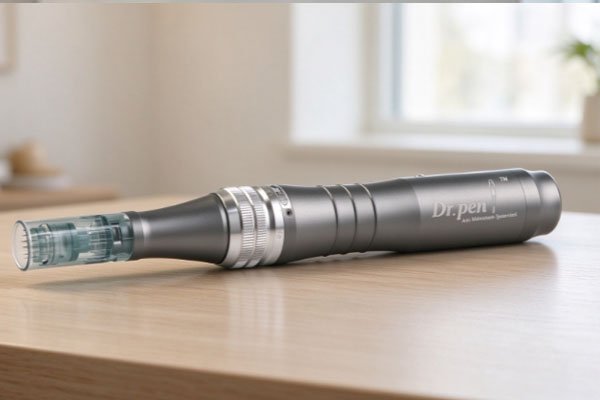
Microneedling pens are commonly used in professional beauty treatments. They create tiny channels in the skin through the reciprocating movement of the needles and are used as part of appropriate treatment procedures. As a key component that comes into direct contact with the skin, the needle material, hardness, surface smoothness, and manufacturing precision can all affect device performance, operational stability, and user comfort. Different materials vary in corrosion resistance, mechanical strength, cleaning requirements, and manufacturing costs. Therefore, needle material is related not only to product quality but also to the intended applications and maintenance requirements of the device.
How Does Needle Material Affect Microneedling Pen Performance?
Needle Hardness and Mechanical Stability
The needles must move repeatedly under the drive of the device, making material hardness, strength, and bending resistance particularly important. If the needles lack sufficient mechanical properties, they may bend or deform under improper external forces or after prolonged use, which can affect needle alignment and movement.
Hardness and Bending Resistance: Appropriate material hardness helps needles maintain their original shape and reduces deformation caused by improper force.
Manufacturing Precision: Needle straightness, tip shape, and dimensional consistency affect actual performance. Product quality cannot be determined solely by the material name.
Operational Stability: When the manufacturing precision of the needle assembly is compatible with the microneedling pen’s drive structure, stable reciprocating movement is easier to maintain.
A harder material does not necessarily mean better product performance. Needle tip processing, structural design, material toughness, and quality control are equally important. Manufacturers should conduct a comprehensive evaluation based on needle specifications, the device’s drive method, and its intended application.
Corrosion Resistance and Surface Quality
Microneedling pen needles may come into contact with moisture on the skin’s surface, skincare products, or substances present in cleaning environments. If the material has insufficient corrosion resistance or the surface has manufacturing defects, needle damage, surface changes, and cleaning and maintenance difficulties may become more likely. Stainless steel is one of the common metal materials used in microneedling products. Stainless steel that meets the relevant requirements offers good mechanical properties and corrosion resistance, but the specific performance varies among different steel grades. Titanium and its alloys also offer good corrosion resistance. Their practical applications require consideration of material grades, processing methods, and product costs. Whether the needle surface is smooth, whether burrs are present, and whether the tips meet design requirements must all be verified through appropriate quality inspections. High-quality needles should combine suitable material properties, precise manufacturing, and reliable production control rather than relying solely on a particular metal.
What Are the Differences Between Different Needle Materials?
The choice of material for microneedling pen needles should be based on product positioning, usage requirements, and manufacturing processes. Different materials vary in mechanical properties, corrosion resistance, processing difficulty, and cost. Buyers should make decisions based on product technical documentation rather than marketing names alone.
Characteristics of Common Materials
Medical-grade stainless steel or stainless steel that meets relevant requirements: It offers good mechanical strength, processability, and corrosion resistance, making it suitable for needle assemblies that require precision manufacturing. Actual performance depends on the specific steel grade, material classification, and production process.
Titanium and Titanium Alloys: These materials generally offer good corrosion resistance and high specific strength, but processing may be more difficult and procurement costs may be higher. Whether they are suitable for a particular microneedling pen must be determined based on product design and validation results.
Other Metals or Materials with Special Surface Treatments: Some products may use different metal materials or surface treatment processes. When purchasing, buyers should verify material composition, coating suitability, durability, and relevant safety documentation rather than judging the material solely by its surface color or appearance.
Disposable sterile needles should meet the corresponding sterility assurance and packaging requirements. Ordinary cleaning or self-disinfection should not replace the usage procedures specified by the manufacturer. Reusable designs require clearly defined and validated cleaning, disinfection, or sterilization procedures. It should not be assumed that all needles can be reused. The dimensions, tolerances, connection methods, and range of motion of the needle assembly must be compatible with the microneedling pen body to prevent loose installation, abnormal operation, or inconsistent performance after replacement parts are installed.
How Can You Determine Whether Needle Materials Meet Usage Requirements?
Needle material affects microneedling pen performance, but it cannot independently determine the performance of the entire device. A practical evaluation should also consider needle structure, drive components, manufacturing processes, and product safety requirements. Reviewing technical documentation before purchasing and conducting necessary quality tests on samples are more useful than simply comparing material names.
Key Points for Procurement and Quality Inspection
Verify Material Documentation: Check the specific material grade, material classification, and relevant test documents provided by the supplier. Avoid treating ordinary stainless steel as equivalent to medical-grade materials.
Inspect Needle Manufacturing Quality: Check whether the needles are aligned properly and whether there is any visible bending, burrs, corrosion, or other defects. Visual inspection cannot replace professional testing of dimensions, tips, and performance.
Verify Device Operation: Under test conditions specified by the manufacturer, check whether the needle assembly is securely installed, whether the reciprocating movement is stable, and whether the device operates normally after needle replacement.
Confirm Hygiene and Packaging Requirements: For disposable needles labeled as sterile, verify the sterility status, packaging integrity, expiration date, and relevant documentation. For other designs, strictly follow the handling requirements in the product instructions.
The Relationship Between Material and Device Performance
Even when the same material is used, needles manufactured by different manufacturers may perform differently. For example, needle tip precision, needle shaft dimensions, the number of needles, assembly tolerances, and the stability of the drive mechanism can all affect device performance. Therefore, evaluating a microneedling pen requires examining both needle quality and the performance of the complete device. For brands that require customized microneedling pens, it is advisable to define the needle material, specifications, compatible models, packaging format, and quality acceptance criteria during product development. Suppliers should also be required to provide the corresponding technical documentation. Sample testing, batch quality inspections, and necessary safety validations can help reduce quality variations between batches and support subsequent product procurement and supply management.
Frequently Asked Questions
Q1: Are Stainless Steel Needles Always Better Than Needles Made from Other Materials?
Not necessarily. Stainless steel offers good processability, mechanical strength, and corrosion resistance, but differences in steel grades, needle tip processing methods, and quality control can lead to different product performance. Titanium and titanium alloys also offer their own performance advantages. Selection should be based on specific material specifications, test results, and intended applications rather than a simple comparison of material names.
Q2: Does Needle Material Affect the Comfort of Using a Microneedling Pen?
It can have some influence, but it is not the only determining factor. Needle tip shape, surface smoothness, dimensions, movement stability, and operating parameters all affect the user experience. Good material properties do not necessarily mean that needles will be more comfortable. Actual performance must still be confirmed through proper design and appropriate validation.
Needle material does affect microneedling pen performance, but buyers should not focus solely on the type of material used. Needle durability, surface smoothness, dimensional accuracy, and compatibility with the device body all influence operational stability and user experience. Stainless steel and titanium needles each have their own characteristics, and the appropriate choice depends on product design, usage requirements, and procurement budget. Beauty equipment brands, wholesalers, and OEM/ODM buyers should also pay attention to material certifications, manufacturing quality, sterile packaging requirements, and accessory availability. If a customized microneedling pen is required, buyers can confirm the needle material, specifications, compatible models, and quality standards with the supplier in advance, then evaluate product performance through sample testing.