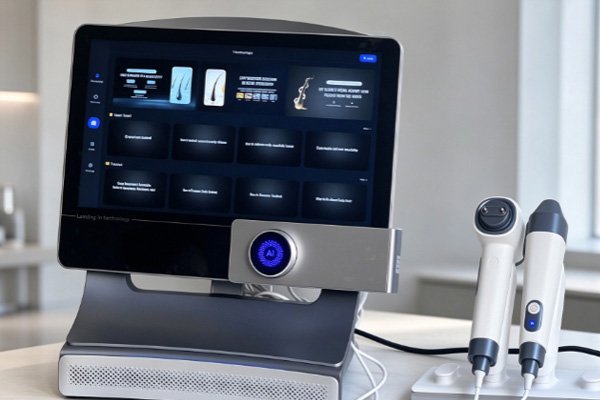
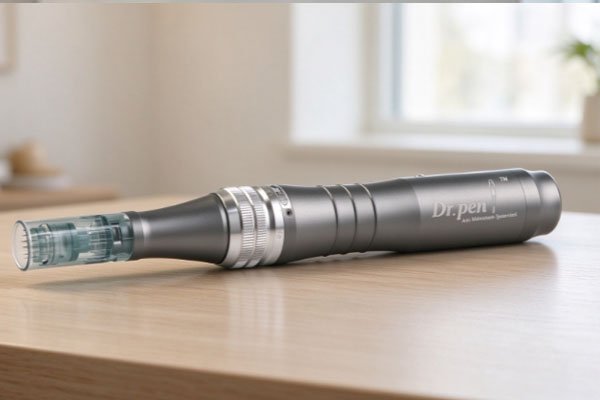
LED microneedling pens are commonly used in professional beauty treatments and typically combine microneedling components with an LED light source. During operation, the device may come into contact with the skin, skincare products, and other treatment supplies. Therefore, cleaning and disinfection after every use are essential. Proper handling procedures help reduce residue buildup, lower the risk of device contamination, and maintain normal device operation. An LED microneedling pen typically consists of a main body, a needle cartridge, an LED light-emitting area, connection ports, and charging accessories. Different components vary in material, structure, and water resistance, so the appropriate cleaning and disinfection methods may also differ.
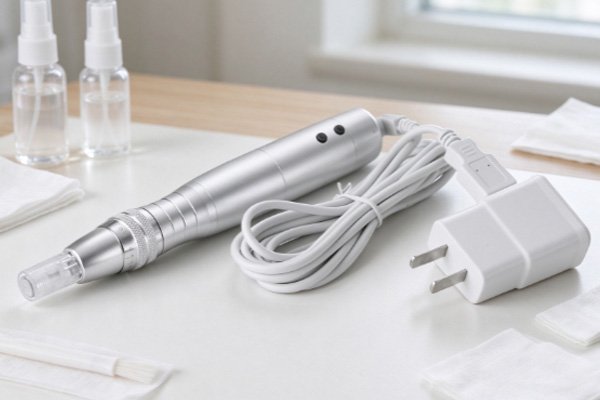
Prepare the Device for Cleaning After Use
Turn Off the Device and Remove Detachable Components
After each treatment, turn off the LED microneedling pen first. If the device is rechargeable, disconnect the power supply or charging connection according to the manufacturer’s instructions before proceeding. Do not remove the needle cartridge while the device is operating, and never place the entire device directly into water for cleaning. Keep the work surface clean during disassembly, and prepare cleaning supplies, suitable disinfectants, and waste containers in advance. If the needle cartridge is a single-use sterile consumable, it must be disposed of according to the product instructions and local medical waste management requirements. It must not be reused simply because there are no obvious visible stains.
Identify the Components That Require Cleaning
Different parts of an LED microneedling pen have different handling requirements. Before cleaning, confirm whether each component can be detached, whether it can come into contact with liquids, and whether specific disinfectants are permitted.
Main body: Wipe the housing with cleaning products approved by the manufacturer. Prevent liquids from entering the buttons, ports, or internal circuitry.
Needle cartridge: Determine whether it is a single-use consumable or a reusable component based on the product design, and strictly follow the relevant handling instructions.
LED light-emitting area: Use cleaning methods suitable for optical components. Avoid scratching the transparent cover, light window, or other precision structures.
If the water resistance rating or disinfection requirements of a component are unclear, consult the product manual before proceeding rather than applying alcohol, strong cleaning agents, or high-temperature treatments directly.
Follow the Correct Cleaning and Disinfection Sequence
Remove Visible Residue Before Surface Disinfection
Cleaning primarily removes skin oils, skincare product residue, and other visible contaminants, while disinfection reduces microorganisms on the device surface. These two processes are not interchangeable. If visible dirt remains on the surface, applying a disinfectant directly may not achieve the expected results. Therefore, clean the device first and then disinfect it according to the product instructions. During the process, use a cleaning cloth or disinfectant wipe approved by the manufacturer to wipe the main body, needle connection area, and other parts that may have been touched during operation. If treatment solutions or other residues are present, remove them using a method permitted for the device. Do not scrape narrow gaps with sharp tools.
Use Disinfectants Correctly
Disinfectants must be compatible with the device materials. Different LED microneedling pen models may vary in housing materials, sealing structures, optical components, and electronic assemblies. Therefore, do not assume that every device is suitable for the same disinfectant.
Choose a suitable product: Select a surface disinfectant approved for use with the device according to the product manual. Do not mix different chemical agents indiscriminately.
Control the amount of liquid: When wiping the device, prevent liquids from entering the needle connection, LED light window, buttons, or charging port. Never immerse the entire device directly in liquid.
Observe the required contact time: Follow the contact time specified on the disinfectant label. Do not wipe the surface dry immediately after application, as this may prevent the disinfectant from remaining in contact with the surface for the required duration.
Disinfecting the main body does not mean that the needle cartridge has been rendered sterile. Single-use needle cartridges intended for microneedling treatments must not be reused after wiping with alcohol, soaking, or exposure to ultraviolet light. The U.S. Food and Drug Administration (FDA) also explicitly warns against reusing microneedling needle cartridges, even after cleaning, because doing so is unsafe.
Daily Maintenance and Storage of LED Microneedling Pens
Check for Residue or Damage
After cleaning and disinfection, inspect the device to ensure that its surfaces are clean, no residue remains around the connections, the LED light-emitting area has no obvious stains, and the main body shows no cracks, loose parts, or other abnormalities. If the device overheats abnormally, operates inconsistently, or exhibits unusual lighting during use, stop using it and contact the supplier or after-sales service personnel for inspection. During cleaning, avoid rough paper towels, stiff brushes, or corrosive solvents that could scratch the housing, damage surface coatings, or affect optical components. Do not disassemble the main body to remove internal residue without the manufacturer’s authorization.
Allow the Device to Dry Completely Before Storage
After cleaning and disinfection, confirm that the surfaces are dry according to the device instructions before placing the LED microneedling pen back into a clean, dry storage case or designated storage location. Do not connect the charger while liquid remains in the ports or the main body is still wet, as this may cause electrical faults.
Daily storage should also follow these precautions:
- Store the device separately from used needle cartridges and contaminated treatment supplies to prevent cross-contamination.
- Keep unused single-use needle cartridges in their original packaging, and check the package seal and expiration date.
- Regularly inspect the power cord, charging port, and storage accessories. Replace any damaged components promptly.
For beauty clinics, it is recommended to record device cleaning, disinfection, consumable replacement, and any abnormal conditions on a daily maintenance checklist. Proper records help staff confirm that post-treatment procedures have been completed and support consistent working standards among different operators. Reusable devices and their accessories must be cleaned, disinfected, or otherwise reprocessed according to the manufacturer’s requirements. The prescribed procedures must not be simplified without authorization.
Common Cleaning Questions
Q1: Does an LED microneedling pen need to be disinfected after every use?
Yes. After each use, clean and disinfect the main body and any reusable components that may have been contaminated, following the manufacturer’s instructions. When the device is used for treatments on different clients, hygiene procedures must be strictly followed after every session. Required cleaning steps must not be skipped simply because there are no obvious visible stains on the housing.
Q2: Can the LED light head be wiped directly with alcohol?
Not necessarily. Whether alcohol can be used depends on the material of the LED light window, its surface coating, and the manufacturer’s maintenance requirements. Some cleaning agents may damage transparent components or sealing structures. Therefore, prioritize the cleaning products and methods approved in the product manual. If compatibility cannot be confirmed, consult the equipment supplier instead of experimenting with strong solvents.
Q3: Can the needle cartridge be reused after cleaning?
If the needle cartridge is labeled for single use, it must not be reused after cleaning or shared between clients. Microneedling may involve contact with tissue fluids or blood, and simple cleaning or routine disinfection cannot replace the required sterile safeguards. Used needle cartridges should be placed immediately into a puncture-resistant sharps waste container that complies with local regulations. Avoid handling the needle tips with bare hands.
Cleaning and disinfecting an LED microneedling pen requires consideration of the device structure, consumable type, and manufacturer’s requirements. The correct sequence is to turn off the device, remove components that are designed to be detachable, remove visible contaminants, perform surface disinfection as directed, and ensure that the device is dry before storage. Single-use needle cartridges must be used only once and must not be kept in service longer through self-cleaning or disinfection. If the cleaning requirements are unclear, a component is damaged, or compliance with the disinfection procedure cannot be confirmed, stop using the device and consult the manufacturer or a qualified technician. Do not independently apply unauthorized procedures such as high-temperature sterilization or liquid immersion, as these may damage the device or increase the risk of use.