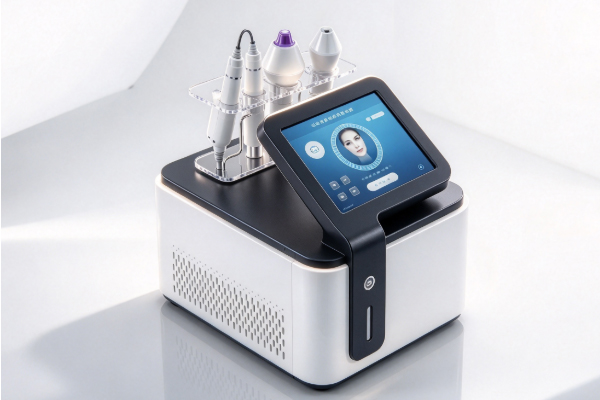
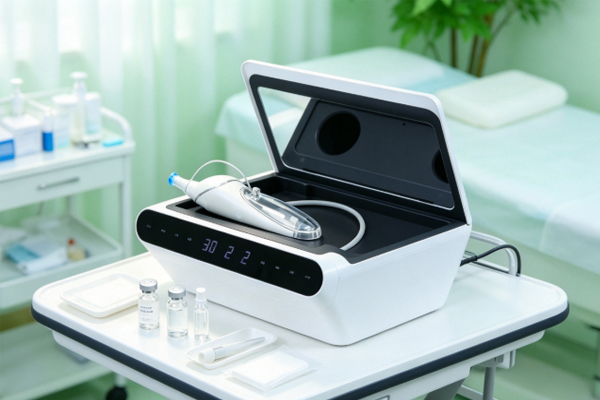
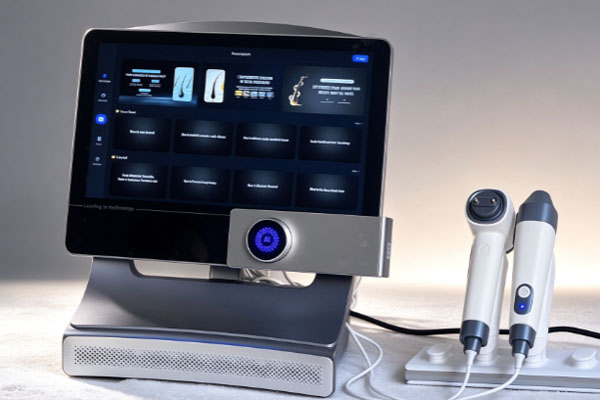
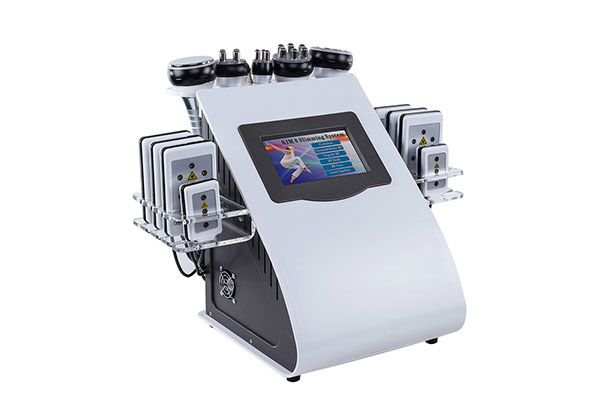
Enlarged pores are a common skin concern, particularly around the nose, cheeks, and forehead, where sebum production tends to be more active. Excess sebum, abnormal follicular keratinization, reduced skin elasticity, and tissue changes left by acne can all make pores appear more prominent. A radiofrequency (RF) microneedling machine combines microneedling technology with RF energy to deliver energy into targeted skin layers through fine needles. The controlled thermal stimulation supports skin repair and collagen remodeling. For medical aesthetic clinics and equipment buyers interested in improving skin texture, RF microneedling is a professional treatment technology worth understanding. However, enlarged pores can develop for different reasons, and the degree of improvement varies between individuals. Understanding the working mechanism, suitable applications, influencing factors, and equipment selection criteria helps clinics develop more appropriate skin treatment plans.
How Does an RF Microneedling Machine Improve Enlarged Pores?
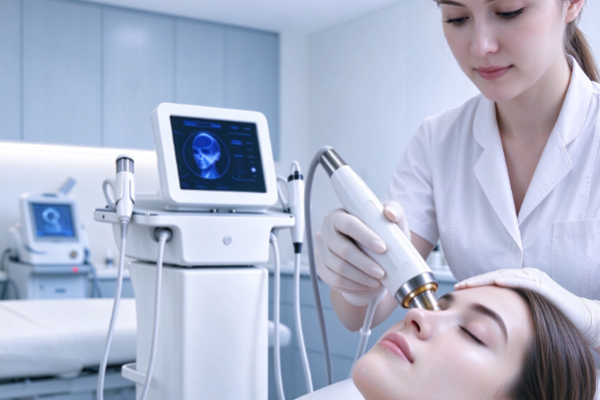
An RF microneedling machine uses fine needles to penetrate the skin to a predetermined depth and deliver radiofrequency energy into targeted tissue. The controlled thermal stimulation generated by RF energy affects the dermal tissue, activates the skin’s repair response, and supports collagen remodeling. As the tissue gradually recovers, some patients may experience improvements in skin firmness, elasticity, and surface texture, making enlarged pores less noticeable.
Pores are openings of the hair follicles and sebaceous glands. RF microneedling does not directly seal pores or permanently shrink them. Instead, it may improve the surrounding tissue condition, helping the skin surface appear smoother. For people with mild skin laxity, rough texture, or superficial depressions left by acne, RF microneedling may be considered as part of a comprehensive treatment plan following professional assessment.
The actual results depend on the underlying causes of enlarged pores, device design, needle depth, RF settings, and individual recovery. Treatment effectiveness should not be judged solely by a device’s name or promotional claims.
Which Types of Enlarged Pores May Benefit from RF Microneedling?
Enlarged pores do not have a single cause, and different causes may require different treatment approaches. Following professional assessment, RF microneedling may be suitable for individuals who want to improve skin texture, elasticity, or certain skin concerns left by acne.
- Enlarged pores associated with reduced skin elasticity: As people age or experience prolonged ultraviolet exposure, the skin’s collagen structure may change. Reduced support around the pores can make them appear more prominent. The controlled thermal stimulation produced by RF microneedling may support collagen remodeling and help improve certain concerns related to skin laxity and texture.
- Enlarged pores accompanied by rough skin texture: When the skin surface is uneven or rough, pore edges may appear more noticeable. For suitable candidates, RF microneedling may help improve overall skin texture. Gentle cleansing, moisturization, and appropriate basic skincare remain important.
- Visible pores and shallow depressions after acne: Some people experience prominent pores, uneven skin texture, or shallow atrophic scars after acne inflammation subsides. RF microneedling may help improve certain superficial depressions and textural irregularities. Deep acne scars usually require further assessment and may need combination treatment.
- Enlarged pores accompanied by fine lines: For individuals with mild fine lines and changes in skin texture, RF microneedling may help improve certain visible signs through tissue remodeling. The appropriate treatment area and expected results should be determined by a qualified professional based on the individual’s skin condition.
If enlarged pores are primarily associated with excessive sebum production, clogged follicles, or active acne, these underlying problems should be assessed and managed appropriately. RF microneedling cannot replace suitable treatments for oil control, abnormal keratinization, or inflammatory acne, and it is not appropriate for every skin condition.
How Long Does It Take to See Results from RF Microneedling for Enlarged Pores?
Improvements from RF microneedling are generally not immediate. During treatment, RF energy produces a controlled thermal effect in the targeted tissue. The skin then requires time to undergo its natural repair process and collagen remodeling. Some people may gradually notice changes in skin texture and feel after recovery, but the timing and extent of visible pore improvement vary.
People with relatively healthy skin and mildly enlarged pores may find changes easier to notice. When significant skin laxity, deep acne scars, or persistent inflammation is present, the treatment process may be more complex. Some treatment plans require multiple sessions, with the number and intervals determined by the device instructions, professional assessment, and the skin’s recovery. Treatment frequency should not be increased, nor should intervals be shortened, simply to pursue faster results.
Before treatment, standardized skin photographs can be taken to document pore distribution, surface texture, and other concerns. These records can help professionals compare changes during follow-up appointments. A realistic evaluation should focus on overall skin quality and the appearance of pores rather than promising that pores will disappear completely.
After treatment, patients should continue appropriate sun protection, moisturization, and gentle cleansing. Irritating skincare products should be avoided during recovery to reduce the risk of interfering with the healing process.
What Factors Affect the Results of RF Microneedling for Enlarged Pores?
The effectiveness of RF microneedling depends on skin condition, device performance, operating procedures, and skincare habits. Even when the same machine is used, individual recovery and final results may differ.
- Underlying causes of enlarged pores: Excess sebum production, skin laxity, abnormal keratinization, and tissue changes after acne may occur together. Identifying the primary causes helps determine whether RF microneedling is appropriate for the specific skin concern.
- Needle depth and RF energy settings: Skin thickness and sensitivity vary across different areas. Parameters must be adjusted according to the treatment objective and the device instructions. Excessive penetration or inappropriate energy settings may increase the risk of skin injury.
- Device output stability: RF output control, needle design, depth adjustment accuracy, and safety features affect how precisely treatment can be delivered. Professional clinics should select equipment that meets local regulatory requirements and comes with complete technical documentation.
- Operator expertise: Operators need to understand skin anatomy, device principles, contraindications, and procedures for managing adverse reactions. They should follow the manufacturer’s training requirements and established operating protocols.
- Daily skincare and lifestyle habits: Inadequate sun protection, excessive cleansing, insufficient moisturization, and frequent use of irritating products can affect skin condition. Appropriate basic skincare helps maintain skin health but does not completely replace professional treatment.
People with active infections, significant inflammation, a compromised skin barrier, or other contraindications should receive professional assessment before RF microneedling is considered. Temporary redness, swelling, discomfort, crusting, or pigmentation changes may occur after treatment. In some cases, burns, infections, or abnormal scarring may develop. Anyone experiencing progressively worsening redness or swelling, significant pain, or other unusual reactions should seek medical attention promptly.
How Can Clinics Choose an RF Microneedling Machine for Enlarged Pores?
Medical aesthetic clinics planning to offer treatments for enlarged pores should evaluate RF microneedling machines according to their clients’ skin concerns, the device’s intended applications, operator training requirements, and long-term operating costs. Purchasing teams should pay particular attention to the following criteria:
- Regulatory compliance: Verify the registration, filing, or other regulatory documentation required in the intended sales and treatment markets. Confirm that the manufacturer’s stated indications match the procedures the clinic plans to offer.
- RF parameters and depth adjustment: Determine whether the device provides clear parameter displays, appropriate needle depth adjustment, and stable energy control. Confirm that the available settings comply with the product instructions.
- Needle design and consumable management: Check needle specifications, packaging integrity, sterility requirements, single-use instructions, and consumable availability. Daily operations should comply with appropriate infection control procedures.
- Operator training and safety features: Confirm whether the supplier provides professional training, a complete operating manual, maintenance guidance, and troubleshooting support. The device’s safety features should also be reviewed.
- After-sales service and total operating costs: In addition to the purchase price, consider needle and other consumable costs, warranty terms, repair response times, and long-term maintenance expenses to evaluate the machine’s overall operating value.
An RF microneedling machine delivers radiofrequency energy through fine needles and uses controlled thermal stimulation to support skin repair and collagen remodeling. It may help improve the appearance of certain enlarged pores associated with reduced skin elasticity, rough texture, and superficial acne scars. However, it does not directly seal pores, and results cannot be guaranteed to be the same for every patient. Medical aesthetic clinics should develop treatment plans based on the underlying skin concerns, the device’s intended use, and the operator’s professional capabilities. Regulatory compliance, parameter control, consumable quality, staff training, and after-sales support should all be considered when purchasing equipment to help ensure safe and appropriate use.