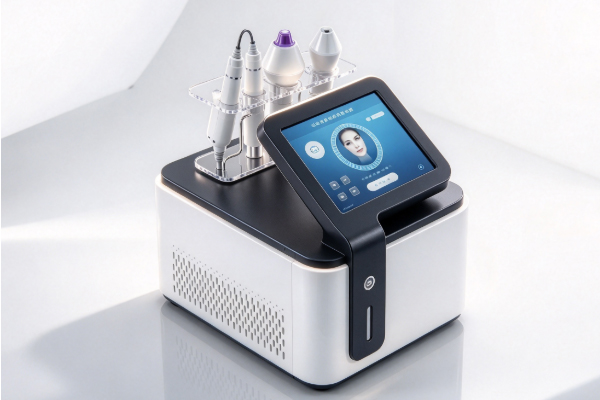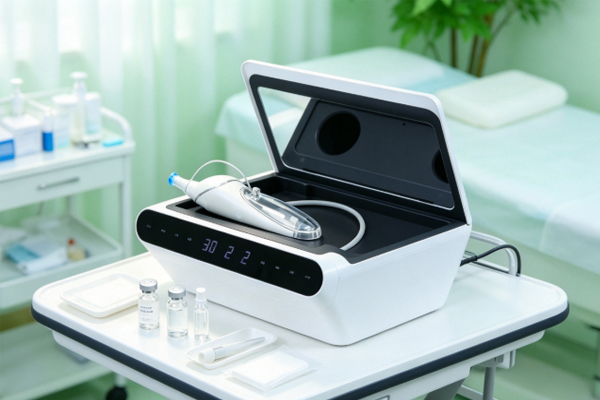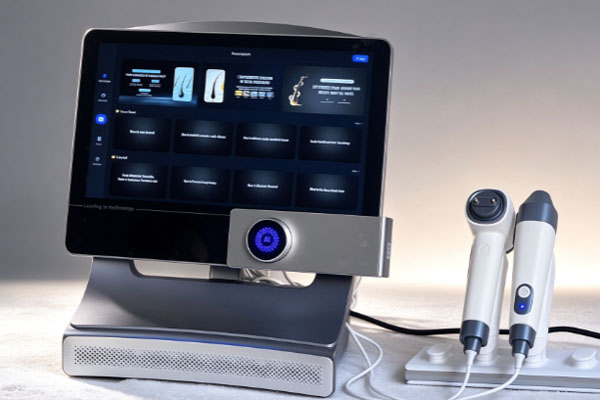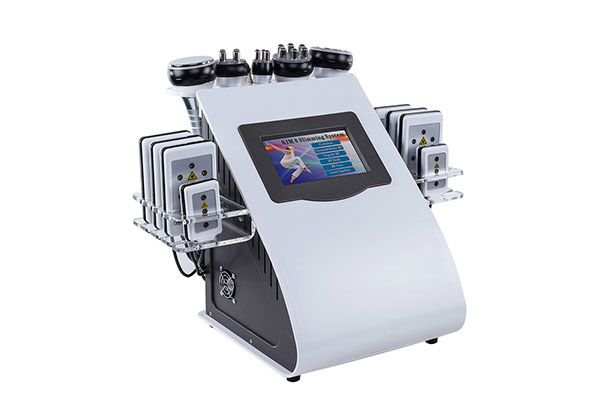
Fibroblast Plasma devices have attracted increasing attention from beauty equipment buyers, aesthetic clinic operators, and professional beauty equipment distributors. For businesses planning to purchase these devices, buying directly from manufacturers is a procurement option worth considering. Direct communication with manufacturers allows buyers to obtain clearer information about device configurations, technical specifications, product models, operating requirements, and after-sales service policies while reducing potential misunderstandings caused by multiple intermediaries. The value of direct sourcing extends beyond purchase prices to include product selection, customization options, quality management, technical training, and ongoing maintenance. Understanding these advantages helps buyers develop practical purchasing plans and select Fibroblast Plasma devices that match their business needs.
Can Buying Fibroblast Plasma Devices Directly from Manufacturers Reduce Procurement Costs?
Direct sourcing can reduce certain distribution costs and give buyers access to a clearer pricing structure. Traditional purchasing channels may involve several distributors, with operating expenses at each stage affecting the final selling price. When requesting quotations directly from manufacturers, buyers can obtain a more detailed breakdown of equipment costs, accessories, packaging, shipping, training, and after-sales support. This makes it easier to compare offers from different suppliers. However, buying directly from a manufacturer does not automatically guarantee the lowest price. Equipment configurations, manufacturing standards, order quantities, shipping distances, and service coverage can all affect the total cost. Buyers should evaluate the complete procurement package rather than focusing exclusively on the initial purchase price.
When evaluating direct sourcing, buyers should pay attention to the following items:
- Base equipment price: Confirm the exact model, standard configuration, number of handpieces, accessory list, and warranty conditions included in the quotation. This prevents misleading price comparisons caused by differences in configuration.
- Bulk purchasing policies: Businesses purchasing multiple devices or planning long-term cooperation can ask about volume discounts, phased delivery arrangements, and long-term purchasing terms.
- Accessory and consumable costs: Check the availability of compatible accessories, replacement intervals, and future purchasing costs to reduce budget uncertainty after delivery.
- Shipping and additional charges: Verify whether packaging, transportation, import customs clearance, and related services are included in the quotation. For international purchases, clarify the applicable charges and responsibilities.
Comparing equipment prices alongside ongoing operating costs provides a more reliable basis for determining the actual financial benefits of buying directly from manufacturers.
What Product Selection Advantages Come with Direct Manufacturer Communication?
Contacting manufacturers directly makes it easier for buyers to obtain information about product models, technical specifications, and configuration differences. Fibroblast Plasma devices may differ in energy output methods, control interfaces, operating modes, handpiece designs, accessories, and maintenance requirements. Their permitted applications may also vary according to product design and local regulations. Manufacturers can provide product documentation based on the buyer’s budget, target market, operating environment, and staff training requirements, helping buyers determine whether individual models are suitable for their needs. Distributors planning to develop their own brands can also ask whether customization options are available, including appearance, packaging, and labeling, as well as any minimum order quantities, lead times, and compliance requirements.
During equipment selection, buyers should request complete user manuals, technical specification sheets, intended-use information, and operating limitations. Aesthetic businesses should also verify whether the device is permitted for the services they intend to offer and check applicable registration, certification, and import requirements in their target markets. Claims about the device’s ability to address specific skin concerns should be supported by official manufacturer documentation and comply with local regulations. Verbal assurances from sales representatives should not be treated as sufficient evidence. Clear product information makes model comparisons easier and supports better equipment management and business planning.
How Can Direct Sourcing Help Buyers Evaluate Device Quality?
Purchasing directly from manufacturers can establish a more direct communication channel for obtaining product information. Buyers can ask about manufacturing procedures, outgoing inspection criteria, key component sources, batch traceability, and procedures for handling quality issues. They can also request relevant documents that can be independently verified. For Fibroblast Plasma devices, exterior workmanship is only one part of quality assessment. Operational stability, output control design, electrical safety, handpiece connections, heat dissipation, and control system reliability are also important considerations. Since technical designs vary between models, buyers should evaluate each device against its own user manual and inspection documentation rather than relying solely on appearance or promotional images.
Before purchasing, buyers can arrange a sample evaluation or request a manufacturer demonstration and record the results of key checks:
- Verify device identification: Check the model number, serial number, manufacturer information, power requirements, and relevant labels to ensure the physical device matches the order and technical documents.
- Inspect operating performance: Under the operating conditions specified by the manufacturer, check startup, interface responsiveness, control functions, and error alerts to confirm that the device operates according to its instructions.
- Review safety documentation: Depending on the destination market and device classification, verify applicable certifications, registrations, or conformity documents. Unverified marketing statements should not be treated as proof of compliance.
- Check factory inspection records: Ask whether the manufacturer provides outgoing test records, quality inspection reports, and warranty documents, and confirm that the documents correspond to the model being purchased.
Combining document verification, equipment testing, and written contractual requirements provides a more reliable quality assessment than relying solely on low prices or verbal promises.
How Can Direct Sourcing Improve Technical Training and After-Sales Support?
Purchasing a Fibroblast Plasma device involves more than receiving the equipment. Installation requirements, operating training, routine cleaning, troubleshooting, and repair support can all influence the long-term user experience. Direct communication with manufacturers helps buyers clarify who provides training, which channels are available for technical assistance, and what information must be submitted when a malfunction occurs. For aesthetic businesses and distributors purchasing these devices for the first time, comprehensive user manuals, operating demonstrations, maintenance instructions, and clear after-sales contact information are particularly valuable. However, equipment operation training does not replace any professional qualifications, regulatory requirements, or additional safety training required for specific procedures.
Before signing a purchase agreement, buyers should confirm the following service arrangements:
- Training content: Determine whether training covers basic operation, routine maintenance, troubleshooting, and usage limitations. Confirm whether written materials or video instructions are provided.
- Warranty coverage: Understand the warranty period, covered components, treatment of consumable or wear parts, labor charges, and responsibilities for failures caused by improper use.
- Repair response: Confirm the available support channels, fault-reporting procedures, technical support hours, and shipping arrangements if the device must be returned for repair.
- Accessory availability: Ask whether commonly required accessories will remain available, how long replenishment takes, and what official support is offered if a model is discontinued or updated.
For aesthetic clinics and equipment distributors that require ongoing operations, reliable and clearly defined after-sales support can reduce communication costs during equipment maintenance. Service commitments and the conditions under which they apply should be documented in the purchase agreement rather than accepted solely on verbal assurances.
What Should Buyers Consider When Choosing a Direct Fibroblast Plasma Device Manufacturer?
Although direct sourcing can offer more direct communication, greater pricing transparency, and easier access to product information, buyers should still assess the supplier’s manufacturing or supply capabilities, business credentials, product documentation, delivery history, and after-sales service system. Suppliers operate under different business models. Some manufacture their own products, while others use contract manufacturing or brand partnerships. Buyers should identify the actual manufacturing entity, verify brand ownership where relevant, and confirm that the product source and contractual responsibilities are clearly defined. For international purchases, it is also important to check target-market requirements, import documentation, shipping conditions, and the geographic coverage of after-sales support.
When comparing suppliers, buyers can create a standardized evaluation checklist covering equipment prices, technical configurations, quality documentation, delivery times, warranty terms, training arrangements, and accessory availability. Request formal quotations, purchase agreements, and relevant product documents, and ensure that important commitments are clearly stated in writing. For large orders or new business projects, buyers may consider evaluating a sample device and verifying delivery capabilities before increasing the order volume. For devices involving skin procedures, particular attention should be given to the manufacturer’s stated intended use, contraindications, operator requirements, and risk-control procedures. Promotional claims should not be interpreted as guarantees of specific clinical outcomes.
An ideal direct Fibroblast Plasma device supplier should offer more than competitive pricing. Clear product documentation, verifiable quality management information, reasonable delivery arrangements, and ongoing after-sales support are equally important. By evaluating suppliers against actual operational requirements, buyers can better control procurement risks and establish a reliable foundation for equipment use and long-term business operations.