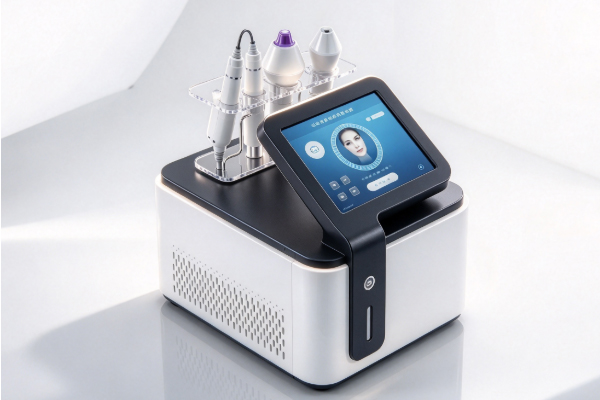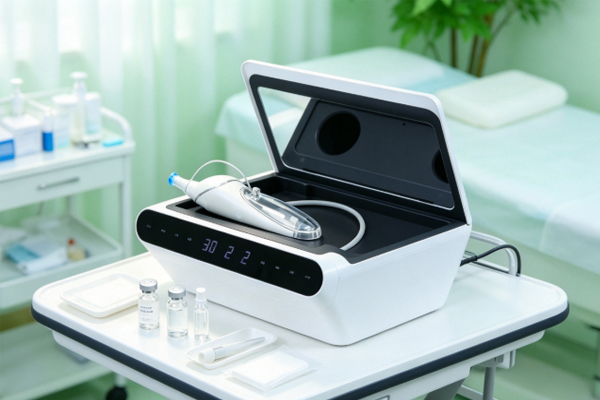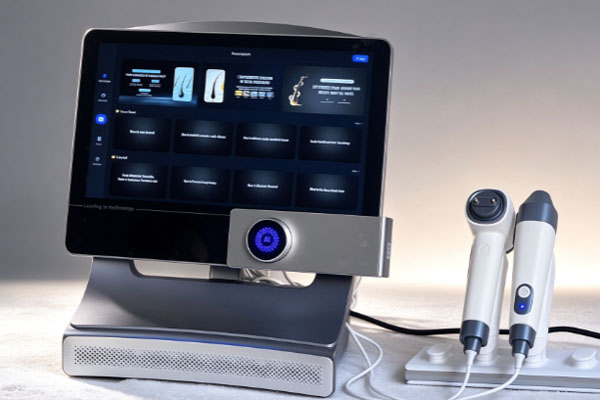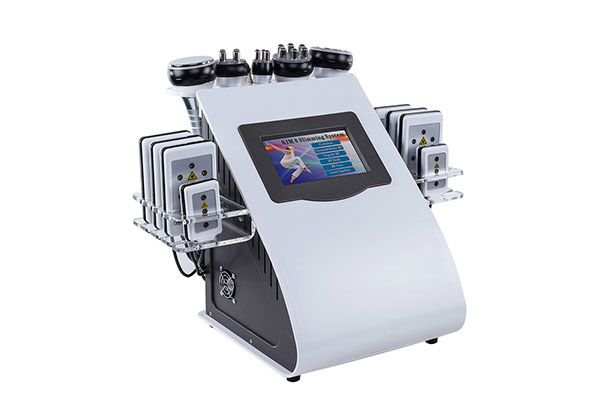
A microneedling pen equipped with a syringe is generally used for skin care procedures. Its structure may include a microneedle cartridge, a syringe-style liquid storage component, connecting accessories, a handpiece, and a main unit. Whether components need to be replaced after use depends primarily on the product’s structural design, accessory materials, whether the components come into contact with the skin or skincare liquids, and the cleaning and disinfection methods specified by the manufacturer. The microneedle cartridge is generally a key contact component that requires particular attention and is often intended for single use. Whether syringes, liquid storage containers, and connecting tubing can be reused must be determined according to the product instructions.
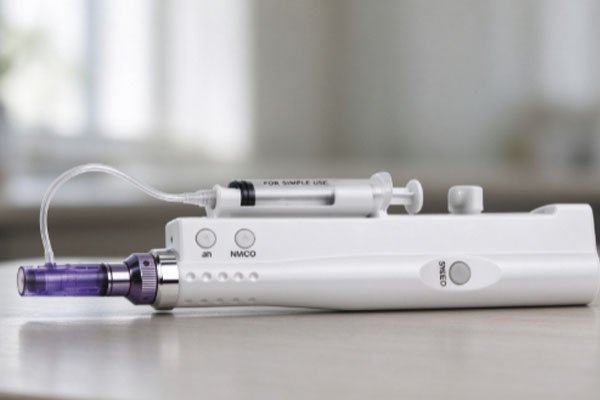
Because different microneedling pens use different liquid delivery methods, some products store skincare liquids in syringe-style components, while others transport liquids through separate tubing. Not all accessories should be treated as interchangeable consumables. For beauty institutions, skin care service providers, and equipment purchasing personnel, clearly understanding consumable replacement requirements helps reduce problems such as cross-contamination, needle wear, liquid residue, and abnormal device operation. Before use, verify accessory compatibility, permitted usage frequency, and sterilization requirements. After use, dispose of waste, clean the equipment, and inspect the device according to the specified procedures. Avoid increasing operational risks by reusing components that are not designed for reuse.
Which Components Should Be Checked First for Replacement After Use?
Not every component of a microneedling pen equipped with a syringe needs to be replaced after each procedure. The key considerations are whether a component is classified as a single-use consumable, whether it directly contacts the skin or skincare liquids, and whether it can undergo effective cleaning and reprocessing according to the manufacturer’s instructions.
Microneedle Cartridge: Generally Requires Replacement for Each User
During operation, the microneedle cartridge may come into direct contact with the skin. Some products also use microneedles to create tiny channels in the skin. Reusing a needle cartridge may result in worn or bent needle tips, residue that is difficult to remove, or cross-contamination.
Single-use microneedle cartridges: Replace immediately after a single procedure as specified in the product instructions. Do not clean and reuse them.
Detachable needle assemblies: If the manufacturer explicitly labels the assembly as a single-use consumable, replace it after each user. Do not reuse it simply because it appears intact.
Needle protective caps: If the protective cap is a single-use accessory, dispose of it according to the specified procedure along with the corresponding consumable. Reusable protective components should be cleaned and stored according to the instructions.
When replacing a needle cartridge, confirm that the new cartridge is compatible with the microneedling pen model, that its packaging is intact, and that it is within its permitted use period. Avoid touching the needle tips during installation. Do not use a needle cartridge if it is deformed, contaminated, or has damaged packaging.
How Should Syringes and Liquid Delivery Accessories Be Handled?
One difference between a microneedling pen equipped with a syringe and a conventional microneedling pen is the addition of a liquid storage or delivery structure. These components may come into contact with skincare liquids or be located near the needle connection area during operation. Therefore, replacing only the microneedle cartridge while ignoring liquid residue in the syringe, connectors, and tubing is insufficient.
Syringes, Liquid Storage Containers, and Liquid Delivery Tubing
Replacement requirements for syringe-style accessories should be determined according to the product’s intended use and the manufacturer’s labeling. For devices used in procedures involving skin penetration, avoid sharing liquid delivery accessories that have been in contact with different users.
Single-use syringes: If the product is labeled for single use, discard it after the procedure according to the specified requirements. Do not clean or disinfect it for reuse.
Liquid storage containers: Replace disposable reservoirs or storage bottles as specified. For reusable containers, confirm that the manufacturer provides appropriate cleaning, disinfection, or sterilization procedures.
Liquid delivery tubing and connectors: If the tubing is designed for single use, replace it at the end of the specified use period. If reuse is permitted, inspect the tubing for residual liquid, blockages, cracks, or loose connections, and process it according to the instructions.
It is important to understand that reusable does not mean that rinsing with clean water is sufficient. Components that are difficult to clean, whose internal cleanliness cannot be verified, or that lack clear reprocessing instructions should not be reused at the user’s discretion. The U.S. Food and Drug Administration (FDA) also advises that microneedling devices should be cleaned according to the manufacturer’s instructions and that reusable components must be properly cleaned and disinfected. For certain authorized microneedling devices, the needle cartridge must not be reused.
Which Components Can Be Retained, and Under What Conditions Must They Be Replaced?
A microneedling pen equipped with a syringe generally consists of both consumables and the main device body. Needle cartridges, syringes, and tubing may require frequent replacement, while the handpiece and motor unit are generally designed for repeated use. Understanding the distinction between these two categories can reduce unnecessary consumable expenses and help prevent equipment damage caused by improper handling.
Handpieces, Connecting Components, and Sealing Accessories
The handpiece and main unit of a microneedling pen are generally not consumables that need to be replaced after every procedure. However, this does not mean that cleaning and inspection can be neglected. After use, clean the exterior surfaces according to the product requirements and prevent liquids from entering the motor, connectors, or power supply areas. Whether the main unit can be disinfected must be determined according to the manufacturer’s specific instructions.
Handpiece and main unit: These components can generally be reused. After each procedure, inspect the housing, control buttons, and connection areas, and clean them according to the instructions. Do not immerse equipment that is not designed to be waterproof.
Sealing rings and gaskets: Replace compatible accessories if they become aged, deformed, cracked, leaky, or unable to maintain a proper seal. If no abnormalities are present, continued use should be determined according to the specified service life.
Connectors and adapters: Check for loose connections, residual liquid, or blockages. Replace components designed for single use as specified. Components approved for reuse must undergo the required reprocessing before installation.
If liquid delivery becomes obstructed, the syringe connection loosens, liquid leaks, or the needle operates abnormally during a procedure, stop using the device and inspect the relevant components. Do not attempt to restore operation by forcibly pressing the syringe, repeatedly disassembling and reassembling connectors, or modifying the tubing yourself, as these actions may damage the equipment or create operational risks.
Frequently Asked Questions
Can Syringes and Microneedle Cartridges Both Be Reused?
Answer: No. Single-use microneedle cartridges or syringes must be replaced as specified. Even if they appear clean, they must not be cleaned and reused at the user’s discretion. Components explicitly approved for reuse must undergo the cleaning, disinfection, or sterilization procedures specified by the manufacturer.
Is It Necessary to Purchase a New Complete Microneedling Pen After Every Procedure?
Answer: Generally, no. Many devices use a reusable main unit with disposable needle assemblies. The specific configuration depends on the product design. When purchasing equipment, ask the supplier whether needle cartridges, syringes, liquid storage containers, and tubing are available separately, and confirm the compatible models and usage restrictions for each accessory.
How Can You Determine Which Accessories Require Regular Replacement?
Answer: Check the product instructions for single-use labels, permitted reuse cycles, cleaning methods, and replacement intervals. Replace accessories promptly if they show signs of wear, cracking, deformation, blockage, or seal failure. If you cannot confirm whether a component is suitable for reuse, stop using it and consult the manufacturer or supplier.
After using a microneedling pen equipped with a syringe, pay particular attention to the microneedle cartridge, syringe-style accessories, liquid storage containers, liquid delivery tubing, sealing rings, and connecting components. Replacement frequencies vary between components, so they should not all be discarded after every use or all cleaned for reuse under a single general rule. When purchasing a microneedling pen with a syringe, also confirm whether the liquid delivery structure can be easily disassembled, whether consumables can be replenished separately, whether clear cleaning instructions are available, and whether the supplier can continue providing accessories compatible with the original model. Correctly distinguishing replacement requirements from cleaning procedures helps reduce consumable misuse, liquid residue, and equipment malfunctions. During actual operation, always follow the instructions for the specific product model and applicable hygiene standards rather than applying accessory handling procedures from other microneedling pens to the device in use.